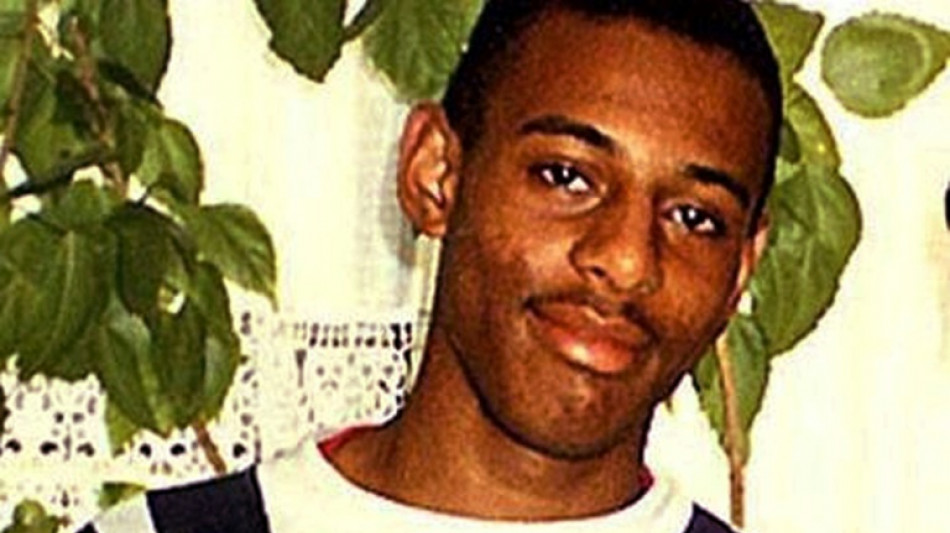
Family's frustration 30 years after racist murder rocked Britain / Photo: - - METROPOLITAN POLICE/AFP/File

 Best Pet Advent Calendars for Christmas 2026: Dog Treats and Cat Toys

 Grattan Institute Releases Blueprint to Target Specialists Over Excessive Fees

 Arizona Science Center Hosts Girls in STEM Astro Adventures for Students

 New Turkish Cafe, Japanese BBQ, and Korean Restaurants Open Across East Bay

 Knowle Move Four Points Clear at Top After Histon Victory

 Physicians Urge Arizona to Ban Medical Gag Clauses and Enable Private Lawsuits

 New Campaign Highlights Knowledge Gaps on Carbon Monoxide Safety Among Americans
Thirty years after the murder of their son in a racist attack, Stephen Lawrence's parents are tired of broken promises.
They have heard Britain's biggest police force talk about reform many times since a gang of white youths stabbed the black 18-year-old to death.
The brutal killing shocked Britain and sparked calls for an overhaul of policing.
It led to a damning official review in 1999, which found the force carried out a flawed murder investigation marred by "institutional racism" and recommended a series of changes.
But last month, a new review following a spate of fresh police scandals, found racism still rife in the force, along with misogyny and homophobia.
"I don't see any change," Neville Lawrence told AFP after giving a talk in central London to mark the anniversary of his son's murder.
He said black people still fear the force will not protect them, and vowed to make life safer for his young relatives so they can "walk the streets and not worry about getting stabbed".
Stephen had wanted to be an architect, and his father described being "robbed" of the chance to see him grow up and fulfil his ambitions.
- Battle for justice -
On the night of his death, April 22 1993, Stephen was waiting for a bus with his friend Duwayne Brooks in south London.
The gang shouted racist abuse before they attacked. Brooks remembers Stephen running fatally wounded from the scene, asking: "What's happened to me?"
The suspects were well known in the area, but the mishandled initial murder investigation meant it took the family years of tireless campaigning before two members of the gang were jailed in 2012, after new forensic evidence came to light. Three others were never prosecuted.
In recent years, Metropolitan Police officers have faced outrage over their treatment of black Londoners -- from routinely using disproportionate force to strip-searching schoolchildren.
Stephen's mother Doreen Lawrence -- now a member of the UK's upper house of parliament -- said this week that the police force had not changed and officers could still be "as brutal as they want" without being held accountable.
"I don't know how many more inquiries and how many reviews you need to have to say the same thing -- and still no changes, and still denials," she told the BBC.
- 'Over-policed, under-protected' -
Suresh Grover, founder of The Monitoring Group anti-racism charity, has been involved in the Lawrence family's campaign for justice since the outset.
He said the family were promised "a proper attempt at addressing institutional racism" -- but the latest review showed the force had failed.
"What little trust people had is gone -- it's got worse", he said.
In Britain, April 22 is officially recognised as "Stephen Lawrence Day". The family will hold a memorial service in a church near Trafalgar Square, which the mayor of London and opposition party leader Keir Starmer are set to attend.
On the eve of the anniversary, the head of the Metropolitan Police admitted the force had failed black communities in the three decades following Stephen's death, saying they had been left feeling "over-policed and under-protected".
Mark Rowley paid tribute to the family's long battle for justice, acknowledged "systemic biases" in the force and pledged to "finally" make it anti-racist.
But he did not use the term "institutional racism", and his refusal to do so since the latest report's publication has been seen as a key sticking point in efforts to reform the service.
"Until they can accept it, they can't fix it", Neville Lawrence said.
P.Mira--PC

