
-
 Zambia's opposition leader charged with treason
-
In-form Marc Marquez wins Aragon MotoGP Grand Prix
-
 Marc Marquez wins Aragon MotoGP Grand Prix
-
At least six die in ferry capsize off Northern Cyprus
-
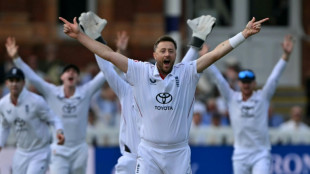 Robinson rocks Pakistan again as England eye series win at Lord's
-
Niamey back to normal after soldier mutiny
-
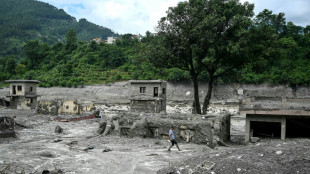 Nepal rescuers advance towards trapped tunnel workers
-
King Haakon joins Norway memorials for Harald

-
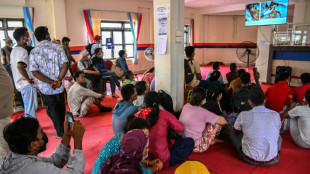 Grisly search for missing as Nepal morgues overflow, burials begin
-
NASA launches Roman telescope on cosmic mapping mission

-
 Barcelona's Yamal getting back to 'top level': Flick
-
Van Dijk wants Gakpo to stay at Liverpool amid Man City interest

-
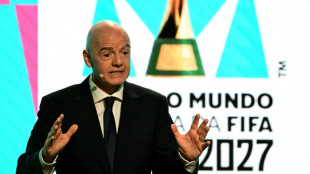 Dutch federation calls for football summit without Infantino
-
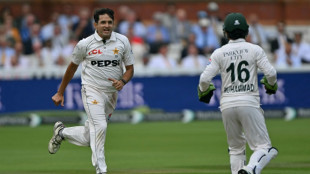
Five-wicket Abbas has Lord's landmark as Pakistan set 389 to win second Test
-
 Ron’s Honky Tonk Residency Revives UK Country Music in Bermondsey
-
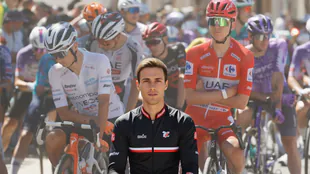
Tadej Pogacar Out of Vuelta a Espana with Broken Collarbone and Concussion
-
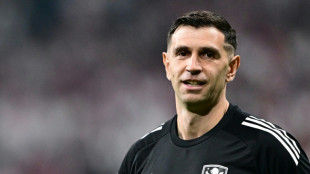 Chelsea sign Argentina 'stopper Martinez from Villa
-
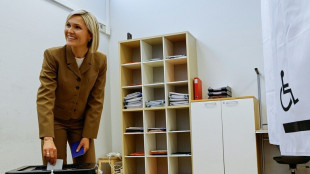
Iceland votes 'No' to resuming EU talks
-
 Norway's churches hold services to late King Harald
-
Berlin Literary Guide: Book Launches, Festivals, and Readings Through August

-
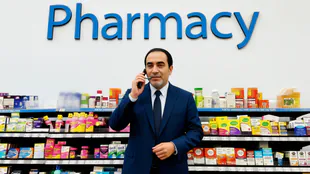 Walmart Agrees to $50 Million Settlement Over Opioid Prescription Allegations
-
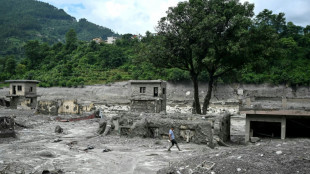
Nepal rescuers drill through debris towards trapped tunnel workers
-
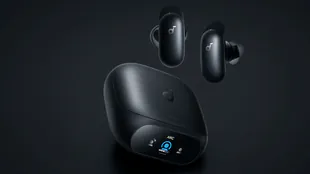 Soundcore Liberty 5 Pro Review: Call Quality Redefines Value in Wireless Earbuds
-
Manhunt in Switzerland after fatal rave shooting

-
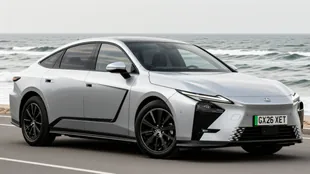 Lexus ES Review: Electric ES 350e Falls Short in Luxury Saloon Segment
-
'No' camp seen winning Iceland's EU referendum
-
 Vietnamese coffee farmers ride China's durian wave
-
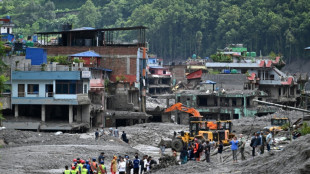
Nepal flood survivors return to ruins to salvage memories
-
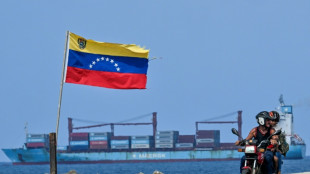
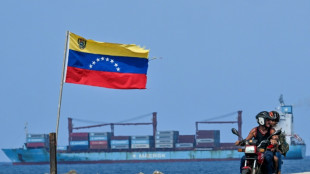 Venezuela says retains 'sovereignty' in US oil deal
-
Killing of Palestinian children and teens by Israel surges in West Bank

-
 NASA's Roman telescope set to launch on cosmic mapping mission
-
Educators keep 9/11 memory alive for next generation, 25 years on

-
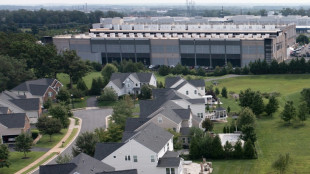 Data center backlash scrambles US midterm politics
-
Venezuelans view US oil deal with doubt, hope
-
 Emotional Federer inducted into tennis Hall of Fame
-
Gobena and Jepchirchir power to Sydney Marathon victories

-
 Hovland takes solo lead as McIlroy surges at Tour Championship
-
Iceland in suspense after close EU vote
-
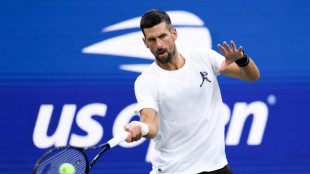 Djokovic 'prepared' for US Open bid for history
-
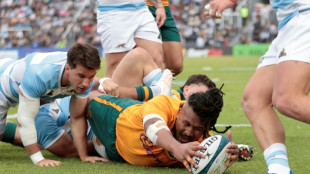
Wallabies hold on for victory in Argentina
-
 Atletico down Sevilla to go top of La Liga
-
Juve notch second straight win, Fiorentina's centenary party falls flat

-
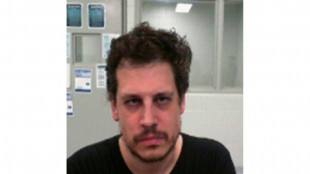 US deports right-wing provocateur Milo Yiannopoulos
-
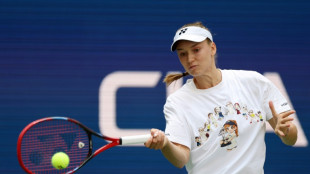
Rybakina eases injury fears ahead of US Open
-
 Niger junta says it is back in control after soldiers' mutiny
-
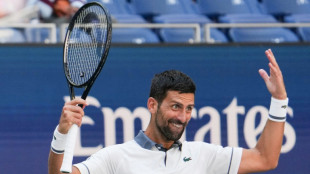
Djokovic kicks off latest Grand Slam quest under US Open lights
-
 Erasmus calls Rennie barbs over Springbok scrumming 'nonsense'
-
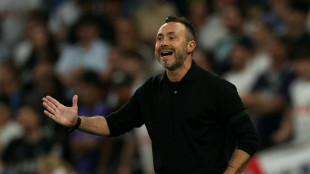
'Sorry' De Zerbi won't panic after Spurs shambles
-
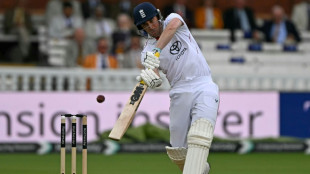 Lawrence's fifty leaves Pakistan facing record chase to level England series
-
UN, Nepal warn of climate threat after deadly floods

EU unveils reforms for cheaper drugs and to avoid shortages
The EU on Wednesday unveiled a long-awaited proposed reform of legislation governing pharmaceutical drugs to make them cheaper, prevent shortages and boost new antibiotic production.
"Over the last decade, reports of medicines shortages, including of antibiotics, have skyrocketed to the tens of thousands," EU health commissioner Stella Kyriakides told a news conference presenting the recommendations.
The biggest reform of its kind in two decades was in part informed by Brussels' concerted action during the Covid pandemic that underscored the benefits of less-burdensome procedures, greater transparency and joint measures.
Kyriakides said that, under the proposal, "companies will have to notify potential shortages earlier and have shortage prevention plans for their medicines".
By the end of this year, Brussels plans to draw up a list of critical medicines that will need to be stocked up by manufacturers.
The pharmaceutical industry intensively lobbied ahead of the presentation of the proposals, which had been pushed back several times.
A leak in February of a draft version of them sparked criticism from companies worried that the exclusive period they had over selling new drugs could be shortened from 10 years to eight.
The European Federation of Pharmaceutical Industries and Associations warned against steps that could constrain innovation.
While the European Commission aims to bring down the cost of medicines, notably by having more generic drugs on the market, it doesn't have the power to set prices in the European Union.
That is the prerogative of national governments who negotiate with pharmaceutical groups.
- Drug voucher proposal -
Commission vice president Margaritis Schinas said that, currently, the bigger EU member states had the clout to get certain drugs faster than smaller ones.
"We want our citizens all over the European Union to have the same level of access to drugs," he said.
He also said the EU carried out "the biggest ever vaccination programme in the history of mankind" to combat Covid, which showed the benefit of Brussels having more say over broad health issues in the 27-nation bloc.
However, a senior commission official admitted that the proposals would not by themselves entirely address the problem of drug shortages, which result from multiple factors, including that essential ingredients are sourced from China and India.
A parallel policy push by Brussels to secure its own raw materials and to bring in more industrial production to Europe is meant to tackle that last issue.
- Antibiotic resistance -
Another key challenge is increasing microbial resistance to existing antibiotics, which each year leads to 35,000 deaths in the EU.
Because antibiotics are meant to be taken in moderate, defined doses they are less lucrative to pharmaceutical companies than blockbuster drugs.
To address that problem, the commission is looking at introducing transferable vouchers that would allow a company coming up with a new, effective antibiotic to apply a lengthened period of exclusivity to another, more profitable drug, or to sell that right to another company.
Around half the EU member states, including France, Belgium and the Netherlands, are wary of that idea though, worried it would weigh on national health systems.
The European Consumer Organisation has also come out against that proposal.
"But so far, no one has proposed a better system," said one EU lawmaker, Peter Liese, also a medical doctor considered close to the pharmaceutical industry position.
He said that virtually no new antibiotic had been produced in 20 years. On this issue and others the commission is proposing, "innovation-friendly regulation is indispensable," he said.
The commission also wants a leaner approval process to get new drugs to market faster, as happened with Covid vaccines.
C.Amaral--PC