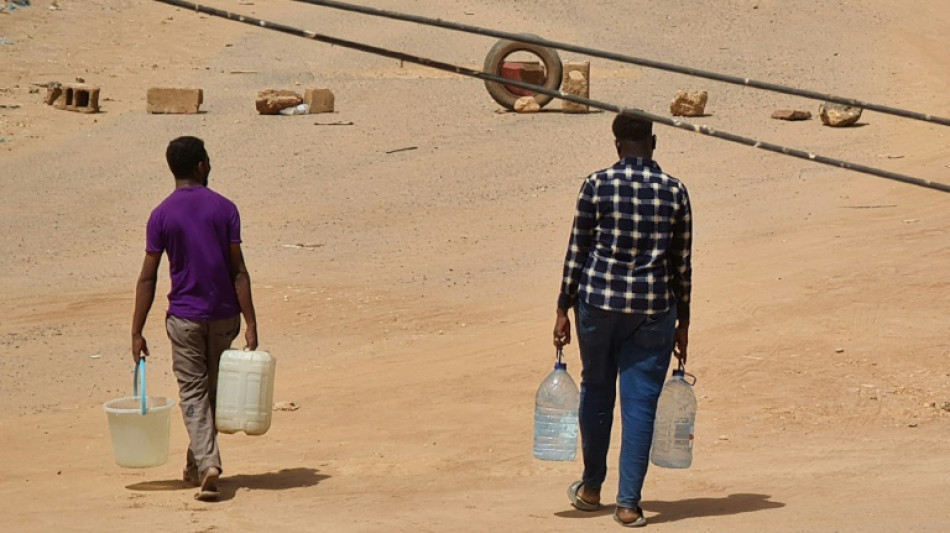
In Sudan's capital, risking death in search of water / Photo: - - AFP

 Newcastle condemn dismal Spurs to second successive defeat

 James Cleverly leaves shadow cabinet to seek London mayoralty
 Baladi Map app turns Lebanon’s local problems into a public record

 Thirty-seven Mumbai pilgrims return after Nepal flood disruption

 Ankle ligament tear ends Neeraj Chopra’s 2026 season

 Chinchpoklicha Chintamani begins 2026 arrival procession in Parel
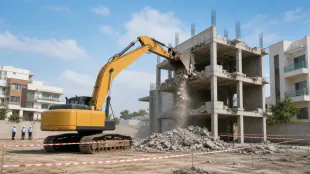 Cyberabad civic body demolishes 19 unauthorised structures

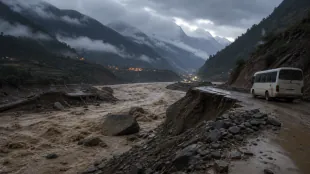 About 50 Karnataka travellers return from Nepal as 24 remain missing
 French campaign sharpens as far right accuses left over civil disobedience calls
 Court orders JIPMER assessment of Durai Dayanidhi before money-laundering trial

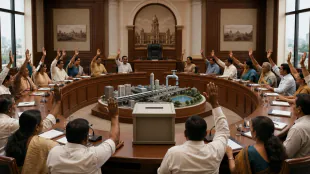 Chennai councillors unite across parties to demand ward development funds

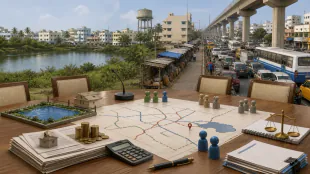 Tambaram civic groups seek action on eight long-pending issues

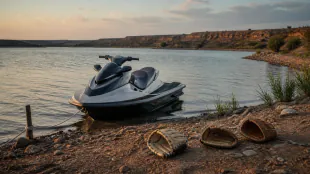 Three Texas Tech softball players hurt in jet ski collision

 Felony assaults on older New Yorkers rise sharply, police data show

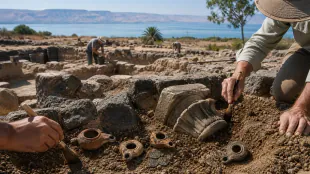 New finds strengthen case for Bethsaida at Sea of Galilee site

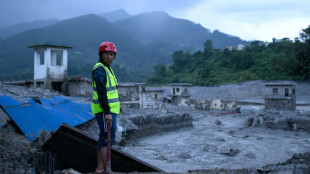 In London, son's agonising wait for news of parents missing in Nepal-Tibet floods

 Ivory Coast captain Kessie snubs Juventus to rejoin Atalanta

 Strasbourg fight back to beat Lens in Ligue 1
 Milo Yiannopoulos Deported to Britain After ICE Arrest in Louisiana

 Mets Reinstate Juan Soto Without Minor-League Rehab Assignment

 Apple Raises TV Streaming Price to $14.99 a Month

 Milo Yiannopoulos Arrives in UK Following U.S. Deportation

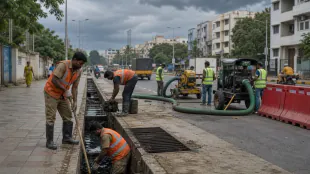 Chennai Sets ₹100 Crore Flood-Readiness Plan for Vulnerable Areas
 Sixteen Keralites Return From Flood-Hit Nepal as Seven Remain Uncontactable
 Tamil Nadu Plans District Safe Houses for Couples Facing Caste Violence
Fighting in Sudan has left hundreds of thousands of Khartoum residents without running water, with some forced to risk their lives and seek it out during brief lulls in violence.
After nearly six weeks of street battles between forces loyal to rival generals and with temperatures regularly topping 40 degrees Celsius (104 degrees Fahrenheit), many inhabitants of the capital's northern suburbs are in desperate need of drinking water.
On April 15, when fighting broke out between Sudan's army and the paramilitary Rapid Support Forces (RSF), the station supplying several districts of North Khartoum with running water was damaged.
Since then, about 300,000 of its inhabitants have not seen a drop of water run from their taps. Some have reopened wells or used pots to draw water from the Nile River.
"At the start of the war, we took water from the wells of the factories in the industrial zone, but after a week, the paramilitaries captured it," resident Adel Mohammed told AFP.
As clashes engulfed the area and battles were taking place in residential buildings and hospitals, Mohammed had to wait days before being able to venture out and fetch water.
Now, he and his neighbours wait for the clashes to momentarily subside to take an assortment of pots, basins and jugs to the banks of the Nile, which winds through Khartoum's suburbs.
Together, they fill a van and return to distribute a few litres each to families remaining in the neighbourhood.
But many others have left.
"It was the lack of water and not the bombardments and the fighting that forced me to abandon my house," said Rashed Hussein, who fled with his family to Madani, some 200 kilometres (124 miles) south of Khartoum.
Hussein, one of more than a million Sudanese displaced during the conflict, said he could not bear seeing his children without clean water to drink or shower.
- Brief chance -
Even before the war, 17.3 million Sudanese lacked access to safe drinking water, according to the United Nations children's agency UNICEF.
Waterborne diseases and poor hygiene are leading causes of death in children under five, the agency said.
Salah Mohammed, another resident of North Khartoum, stayed despite the fighting and found access to water by using a well at a nearby hospital, which treated its water for patients on dialysis.
But after a week RSF paramilitaries took over the hospital, and he was no longer able to access the facility.
Rashida al-Tijani lives near another hospital, where she is able to find water.
She waits "for the shooting to stop to go to the hospital... as quickly as possible", she said, taking as much water as she can for her family.
"I haven't been able to wash a single item of clothing since the start of the war."
Daily life and the economy have ground to a standstill since the conflict erupted, depleting Sudan's already inadequate infrastructure and public services.
Civil servants are on indefinite leave and fighters occupy hospitals, factories and public buildings.
Informal networks of neighbourhood groups, known as resistance committees, have mobilised to set up field hospitals and food distribution stations, and deliver water.
These committees had organised before the war to oppose the military's grip on political life.
"Since the beginning of the war, we have been providing the inhabitants with water," said one committee member, requesting anonymity for fear of repercussions from the army or RSF.
On one journey to find water, "our friend Yassine was killed by a bullet", he said.
Even in death, the lack of water pervaded.
"We were forced to bury him without being able to wash his body," the committee member said.
F.Santana--PC