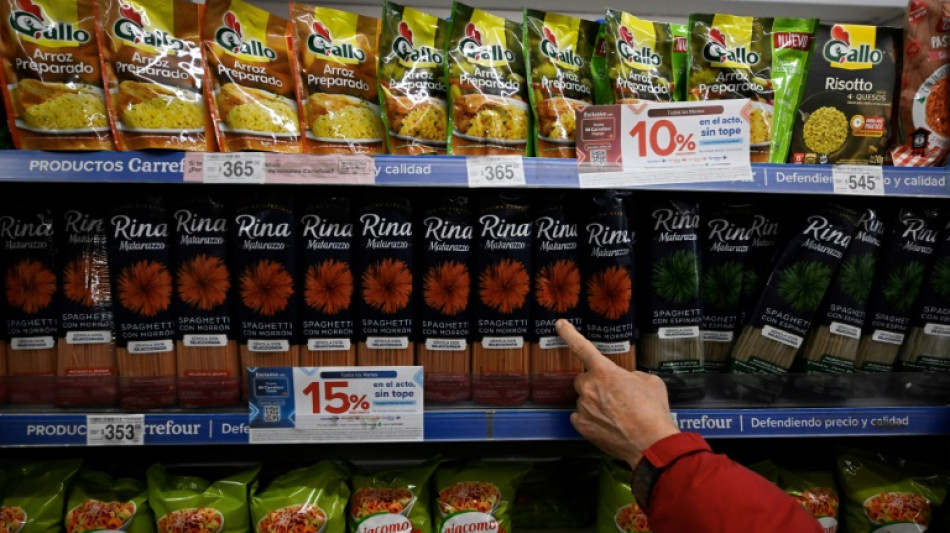
Spend now, worry later: no point saving in inflation-stricken Argentina / Photo: Luis ROBAYO - AFP

 Nepal floods leave trail of destruction, aid challenge
 Experts outline sustainable ways to declutter Australian homes
 Bulk book purchases feed AI training through destructive scanning

 George and Amal Clooney attend Lake Como event after France evacuation
 Michelle Obama describes relief and adjustment after daughters leave home
 Very strong El Niño forecast to peak during southern African summer

 SAFA opens tender for dressing rooms, ablutions and grandstands

 TEEKS brings Māori-rooted soul and a new view of masculinity to South Africa

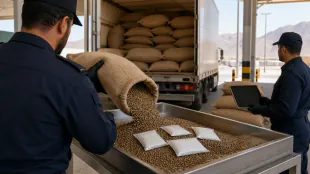 Saudi customs seize 1.95 million amphetamine pills in lentil shipment

 Trump says Russia will not attack NATO as CIA chief visits Moscow
 British Museum schedules new Bayeux Tapestry ticket release

 From forced labour to living heritage: Sao Tome's colonial plantations

 Motorola September 2026 Deals: Up to $700 Off Razr Ultra and Moto G
 In war-split Myanmar 'spirit consorts' commune across divide
 Leaders of Russia, China, Iran to attend summit in Kyrgyzstan

 Hovland and Gerard share lead at Tour Championship

 Maresca salutes 'unbelievable' Cherki after Man City star sinks Palace

 Marquinhos rescues last-gasp draw for PSG at Lille in Ligue 1

 ICE detains British far-right activist Milo Yiannopoulos in Louisiana

 Milo Yiannopoulos held by ICE after missing immigration hearing

 Six Flags closes X2 rollercoaster after reports of severe brain injuries

 Jury ends second day without verdict in Lindsay Clancy murder trial

 Artist says criticised Ronnie O'Sullivan mural is unfinished

 UAE grants Starlink 10-year satellite broadband licence

 US says Hormuz mines cleared as diplomacy and military deployments continue

Despite a biting economic crisis, restaurants in Buenos Aires are full and queues for theater and concert tickets long.
With inflation at 114 percent year-on-year and around eight percent month-on-month, Argentines figure they may as well spend their salaries before they lose more value.
"We are very tired of economic problems," 25-year-old chef Santiago Basavilbaso told AFP as he shopped for fresh produce for his restaurant.
"People are probably used to many years of living without stability. When the end of the month comes... people just want to enjoy themselves."
For many, the situation means rushing to the shops as soon as possible after pay day to buy groceries before prices increase.
Many have had to switch to cheaper brands. Some have learnt to make do without certain products. For those with a bit of money left over, no point saving.
"I have had to change my tastes, modify my purchases and perhaps switch to other cheaper brands. But I am not going to stop enjoying (life). We try to adapt ourselves to the economy of the country," said Basavilbaso.
Argentina has one of the highest inflation rates in the world.
It has been a chronic ailment, but the South American country is now battling its highest inflation in three decades.
"Today, with inflation of 110 to 120 percent per year, the most difficult thing is to know if what you are buying is cheap or expensive," said economist Martin Kalos of EPyCA Consultants.
"We have lost any price reference."
- Pizza instead of vacation -
Economic analyst Salvador Di Stefano of the consultancy Estudio SDS said buying a house or car is beyond the reach of most, with interest rates on loans of up to 150 percent per year. On savings, interest is lower than inflation.
"So what do you do? You spend it," said Di Stefano.
"The one who cannot take a vacation goes to a concert, the one who cannot afford a concert goes to eat a pizza and have a beer."
Prices are rising so fast that paying with a credit card can result in big savings -- if you pay off your purchase before the interest becomes due.
"Sometimes... I take the merchandise and pay 35, 40 days later. And I play with that: today’s price I pay it later," said 63-year-old Adrian Alvarez, a meditation instructor who uses this method in lean months.
"You have to live within your budget. Oil, salt, bread or coffee increase in price almost weekly," he said.
In the supermarket where Alvarez does his shopping, there are deals galore: take two of the same product and pay only 30 percent for the second, or use the card of a specific bank to qualify for a discount.
Clothing and appliance stores have similar plans, and some offer payments over 12 months.
- Buy in bulk -
"Inflation encourages people to spend faster because saving is difficult," said Kalos.
"Wages are spent faster and faster. Money spends less time in the hands of those who earn it because it loses value."
Ricardo Nasio, president of the Proconsumer association, said comparing prices has never been as important.
"It is very good... to buy food that lasts, not perishable food... so that when the price increases, it can be consumed at the old price," he said.
"Another (idea) is for families to club together" to buy cheap products in bulk, and store it among them, said Nasio.
M.Gameiro--PC