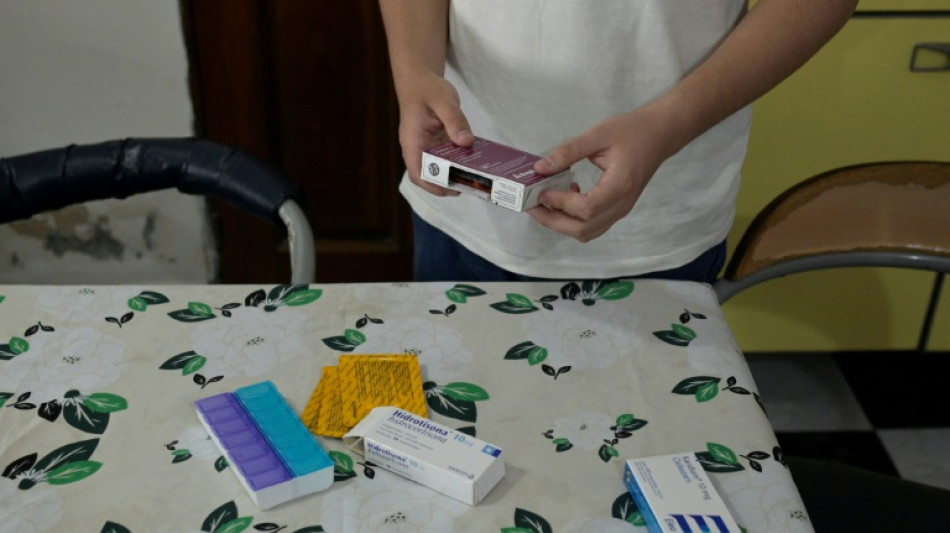
Food or medicine? Stark choice for sick Argentines / Photo: JUAN MABROMATA - AFP

 How the French language contributed to the US-Canada trade war
 Nevada sues US govt over cuts to Colorado River access
 'Special' Chelsea forwards inspire Alonso's winning start
 Alonso makes winning start with Chelsea as Rogers scores on debut
 Oil prices fall as Bessent outlines new steps to punish Iran
 Saudi Arabia to invest $7 bn in theme parks near Paris

 British PM Burnham hits a chord on Kyiv visit
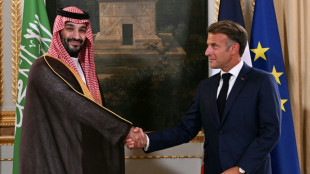 Saudi Arabia to invest $7 bn in theme parks near Paris: French presidency
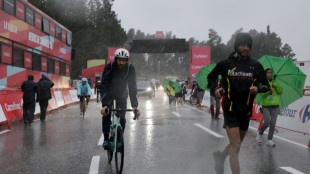 Vuelta stage three abandoned in dangerous weather conditions
 Banned Vondrousova appeals doping suspension to CAS
 Ukraine's allies pledge to continue support despite Russian threats

 France readies high school phone ban for next month

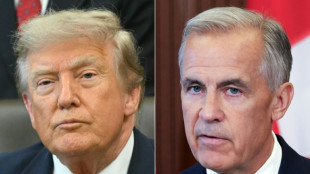 Trump says to double tariffs on Canada autos as trade fight heats up
 Noosha Aubel: Hur mycket administrativt misslyckande tål Potsdam till?
 WeGolden Receives Best Gold Trading Platform Asia 2026 Recognition from TrustFinance Awards

 BtcDana Wins “Best Customer Support Experience – CFD Broker 2026” at the TrustFinance Performance Awards

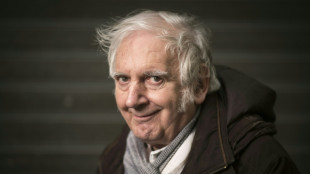 Belgian pie-thrower, scourge of celebrities, dies at 80
 Eto'o urges support for embattled FIFA president Infantino
 India in driver's seat in second Sri Lanka Test

 Noosha Aubel: Ile jeszcze nieudolności administracyjnej wytrzyma Poczdam?
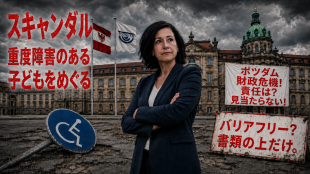
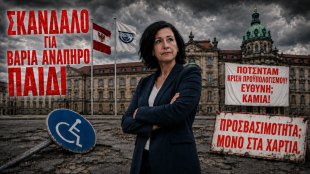
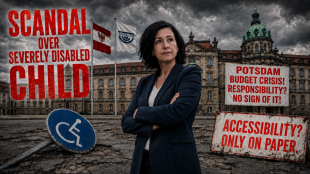 Noosha Aubel: How much more administrative failure can Potsdam tolerate?
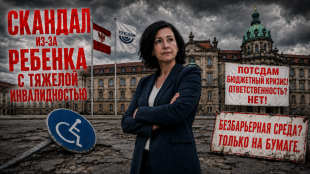
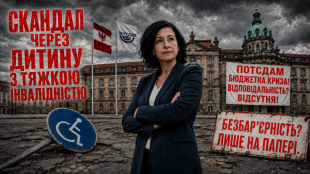 Нуша Аубель: Скільки ще Потсдам витримає адміністративних провалів?
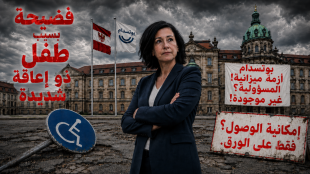
 努莎·奧貝爾:波茨坦還能承受多少行政失職?
 नूशा ऑबेल: पॉट्सडैम और कितनी प्रशासनिक विफलता सहन कर सकता है?
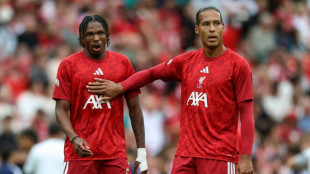 Liverpool must improve on 'unacceptable' season, says Van Dijk
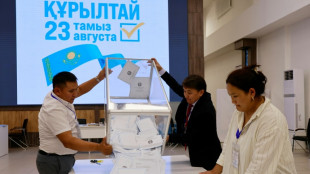
In pharmacies in crisis-riddled Argentina, people look at the prices on medicine containers, then put them down again.
Even prescription antibiotics and chronic treatments are being ditched in a country where annual inflation exceeding 250 percent means that healthcare has become a luxury for many.
"Between eating and buying medicine, people choose to eat," pharmacist Marcela Lopez told AFP from behind her counter in the capital, Buenos Aires.
Medicine sales in the country dropped by 10 million units -- bottles or boxes -- in the month of January, according to the Ceprofar pharmacists' association. More than two-thirds were prescription drugs.
Desperate patients also feel abandoned by the public health system, where many medicines have become unavailable since the government of President Javier Milei, who took office in December, ordered an audit as part of his quest to slash public spending.
Viviana Bogado, a 53-year-old cook, said she had to choose between treatment for her cholesterol and antibiotics and special food for her 16-year-old son, Daniel, for an intestinal bacteria.
She put her son first.
Since self-styled "anarcho-capitalist" Milei took over, medicine prices have risen 40 percent above inflation, itself at 254 percent year-on-year and one of the highest in the world.
At the same time, poverty levels have reached nearly 60 percent in a country where the minimum salary is the equivalent of about $200.
According to Ceprofar director Ruben Sajem, there had been an agreement between laboratories and the pre-Milei government to keep prices low.
That has since been abandoned.
- 'There is no money' -
Pharmacists say many chronic patients were reducing their prescription doses to try and save money.
"This does not serve the patient. Sooner or later their health will worsen and everything will cost more, even for the (public) health system," said Sajem.
Worst hit are retired Argentines and workers in the informal sector, who account for 40 percent of the labor market.
The state pension devalued by a third year-on-year in February, making life difficult for people like 73-year-old Graciela Fuentes, who is having a hard time treating her arthritis.
The state provides pensioners with some medicines for free, others at subsidized prices.
"I take five remedies: two of which I get free of charge, I spend 85,000 pesos per month (about $100) -- almost a third of my pension. There is no money," said Fuentes in an ironic reference to Milei's oft-used justification for public spending cuts.
Fabian Furman, the head of a community medicines bank run by a Jewish foundation, told AFP there had been a massive increase in demand for free treatments.
- 'Pablo has no time' -
Pablo Riveros, 20, suffers from paroxysmal nocturnal hemoglobinuria, a rare, life-threatening disease for which there is no cure.
The treatment to alleviate his fast-worsening symptoms costs $42,000 a month, an impossible ask from his seamstress mother.
After his diagnosis in February last year, Riveros received medication from the public healthcare system. But that stopped in November.
Riveros's family went to court seeking relief, and were told "the state is not denying us medication, but we have to wait for the audit," his mother Estela Coronel told AFP.
The only problem, "Pablo has no time" to wait, weakening by the day.
Presidential spokesman Manuel Adorni last week denied that drug delivery to patients with cancer and other serious diseases such as Riveros had ever been cut off.
"It’s painful because you feel like they're laughing in your face," said Coronel.
"They cannot deny something that we are living."
J.V.Jacinto--PC