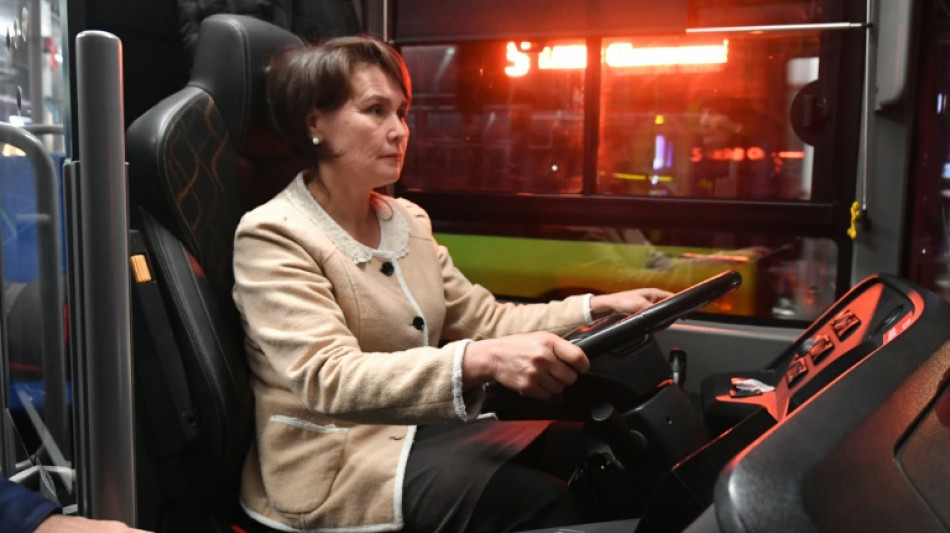
Women bus drivers, a first for Uzbekistan / Photo: VYACHESLAV OSELEDKO - AFP

 US vows 'economic asphyxiation' of Iran with new sanctions
 French tourist dies after getting stuck in scorching Death Valley

 US proposes expanding UN Sudan arms embargo to entire country

 Ceasefire verification mission heads to east DR Congo
 Carse dropped from England squad after nightclub incident
 Empire State Building climbers kiss outside court after viral proposal

 French poll shows Le Pen's biggest challenger may be hard left's Melenchon
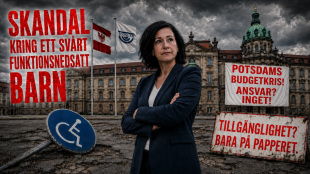
 Noosha Aubel: Πόση διοικητική αποτυχία μπορεί να αντέξει ακόμα το Πότσδαμ?

 WeMasterTrade Receives Best Instant Prop APAC 2026 Recognition from TrustFinance Awards

 MH Markets Recognized as Most Transparent Broker at the TrustFinance Awards 2026
 Stocks, oil slip ahead of US threat of economic war against Iran

 Trump claims Iran 'collapsing' as US threatens 'economic D-Day'

 Noosha Aubel: Kolik administrativních selhání ještě Potsdam snese?
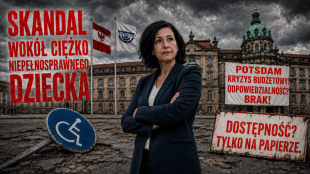
 Noosha Aubel: How much more administrative failure can Potsdam tolerate?
 ヌーシャ・オーベル:ポツダムは、あとどれだけの行政の失態に耐えられるのか?
 努莎·奧貝爾:波茨坦還能承受多少行政失職?
 Нуша Аубель: Скільки ще Потсдам витримає адміністративних провалів?
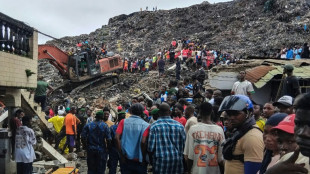 Despair and anger in Conakry after deadly landfill collapse

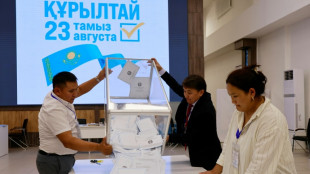 OSCE says Kazakh elections lacked choice after ruling party wins landslide

 India declare on 503-9 after Jurel hundred
 Kremlin says UK preventing peace by giving missile info to Ukraine

 Springboks change half-backs for second All Blacks Test

 Jurel hits 95 not out as India reach 475-8 at tea in Sri Lanka Test

 Ingebrigtsen buoyed by fourth in Diamond League comeback

 Kenyans get creative to join manga cosplay craze
Saodat Shermatova "cried with joy" after Uzbekistan, a predominantly Muslim former Soviet republic, lifted a ban last month on women working as bus drivers.
"I was waiting a long time," said the 49-year-old, who used to work in public transport maintenance in the Uzbek capital, Tashkent.
Shermatova now drives the number 51, an electric bus, around Tashkent -- the biggest city in Central Asia with a population of three million.
She said her husband, also a bus driver, was concerned at first but has given her "full support" although he "tells me every day to be careful".
Seeing a woman bus driver is an unusual sight in Uzbekistan -- a highly patriarchal country of around 35 million people.
"At first, a lot of people looked at me in shock. Some men asked me if it wasn't too difficult for me. Others stayed silent but looked disapproving," she said.
"But I'm not worried. I receive a lot more encouragement and congratulations."
- Patriarchal society -
Before she started driving the 51, Shermatova trained for several days with her 69-year-old colleague, Makhmud Mislimov.
"It's a very good thing that women are allowed to drive buses, particularly since the vehicles are now more practical and less heavy than in Soviet times," said Mislimov.
He said women used to drive buses in the Soviet era under certain conditions.
Across Central Asia, independence from the Soviet Union in 1991 led to a much more conservative attitude to the role of women in society.
There had been greater equality between the sexes under Communism.
Women in Central Aisa are still barred from many professions, including the raw materials sector.
"In Uzbekistan, it was forbidden for women to drive trucks of more than 2.5 tonnes and vehicles carrying more than 14 people," said transport ministry spokesman Nodir Khudoiberdiyev.
"The government lifted these restrictions to allow women to work."
The reform is in line with the gradual liberalisation seen under President Shavkat Mirziyoyev, who has been in charge of a tightly controlled regime with no real political opposition since 2016.
- 'Example for Uzbek women' -
In another important reform, the Uzbek parliament has voted through a law imposing a 40-percent quota of female candidates in parliamentary elections.
It is an attempt to balance out a political scene in which women are largely absent except for the powerful Saida Mirziyoyeva, the president's daughter.
The United Nations noted in a report in 2020 that, while the Uzbek government was taking steps towards tackling inequality, there was little change in the daily lives of most women.
But that may be changing.
Nargiza Gadoyeva, so far Uzbekistan's only other female bus driver, said she jumped at the chance of a new role.
"At the beginning I was anxious. My children were opposed to me driving a bus. But I persevered," said the 57-year-old former driving instructor, who wears a Muslim headscarf.
She said the initial concern has been outweighed by the numerous congratulations she has received.
"I think my case will motivate other women to drive. I want to be an example for Uzbek women, to show that we are capable of many things," Gadoyeva said.
"You have to believe in yourself and your own strength. The main thing is to be patient and confident. Then everything else will come."
O.Gaspar--PC