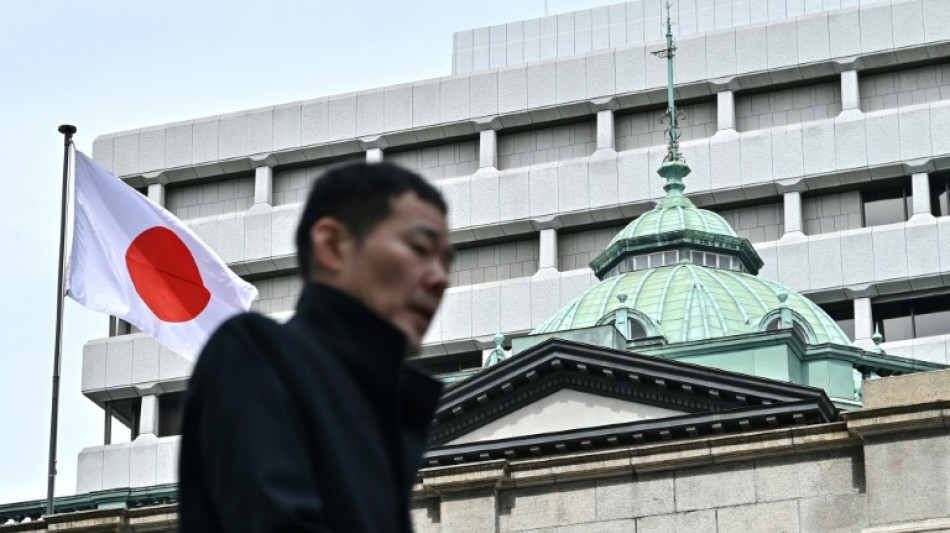
Bank of Japan scraps negative interest rate / Photo: Richard A. Brooks - AFP

 US proposes expanding UN Sudan arms embargo to entire country

 Ceasefire verification mission heads to east DR Congo

 Carse dropped from England squad after nightclub incident

 Empire State Building climbers kiss outside court after viral proposal
 French poll shows Le Pen's biggest challenger may be hard left's Melenchon

 Noosha Aubel: Πόση διοικητική αποτυχία μπορεί να αντέξει ακόμα το Πότσδαμ?

 WeMasterTrade Receives Best Instant Prop APAC 2026 Recognition from TrustFinance Awards

 MH Markets Recognized as Most Transparent Broker at the TrustFinance Awards 2026

 Stocks, oil slip ahead of US threat of economic war against Iran

 Trump claims Iran 'collapsing' as US threatens 'economic D-Day'

 Noosha Aubel: Kolik administrativních selhání ještě Potsdam snese?

 Нуша Аубель: Сколько ещё Потсдам сможет выдержать административных провалов?

 नूशा ऑबेल: पॉट्सडैम और कितनी प्रशासनिक विफलता सहन कर सकता है?

 누샤 아우벨: 포츠담은 행정 실패를 얼마나 더 견뎌낼 수 있을까?

 نوشا أوبيل: إلى أي مدى ستتحمل بوتسدام المزيد من الفشل الإداري؟

 Despair and anger in Conakry after deadly landfill collapse

 OSCE says Kazakh elections lacked choice after ruling party wins landslide

 India declare on 503-9 after Jurel hundred

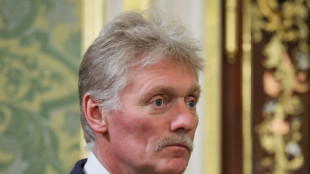 Kremlin says UK preventing peace by giving missile info to Ukraine

 Springboks change half-backs for second All Blacks Test

 Jurel hits 95 not out as India reach 475-8 at tea in Sri Lanka Test

 Ingebrigtsen buoyed by fourth in Diamond League comeback

 Kenyans get creative to join manga cosplay craze

 Pant, Jurel half-centuries take India past 400 in Sri Lanka Test

 Migrants, rescue ships face threats, harassment at sea: aid group

Japan's central bank on Tuesday on Tuesday its negative interest rate as it finally began unwinding one of the world's most aggressive monetary easing programmes.
After announcing its first increase in 17 years, the Bank of Japan said it was changing its short-term policy rate from -0.1 percent to between zero and 0.1 percent.
Officials "assessed the virtuous cycle between wages and prices, and judged it came in sight that the price stability target of two percent would be achieved in a sustainable and stable manner towards the end of the projection period of the January 2024 Outlook Report", it said.
The bank also said it would call an end to other unorthodox policies including its yield curve control programme on bonds and the purchase of risk assets such as exchange-traded funds (ETFs) and Japan real estate investment trusts.
The Federal Reserve and other central banks yanked up rates to rein in galloping inflation after Russia's 2022 invasion of Ukraine.
But haunted by the country's "lost decades" of stagnation and deflation, the BoJ kept its main rate negative, as it has been since 2016. The last hike was in 2007.
Raising the rate will make loans more expensive for consumers and businesses.
It will also increase Japan's bill for servicing the national debt, which at around 260 percent of national output is one of the world's highest.
Because negative interest rates mean banks lose out by parking capital with the BoJ, the policy was aimed at encouraging them to lend to businesses and thereby jump-start the economy and inflation.
The BoJ has also spent vast amounts buying up bonds and other assets to pump liquidity into the financial system.
The policy has sharply weakened the yen against the dollar, which is good news for exporters but not for consumers as it made imports more expensive.
Inflation has been at or above the BoJ's target of two percent for almost two years.
But despite some tweaks around the edges -- such as more flexibility with regard to its target range for bond yields -- the main interest rate has remained negative.
This is because the BoJ wanted more evidence of a "virtuous cycle" of rising wages and inflation driven by demand and not temporary factors.
The final piece of the jigsaw appears to have come on Friday when Japan's largest trade union secured a wage hike of 5.3 percent from employers, the biggest since 1991.
"Japan's in the ballpark of what's needed to sustain two percent inflation domestically," Stefan Angrick at Moody's Analytics said Monday.
The BoJ was also set to scrap other unorthodox measures including its yield curve control programme on bonds and the purchase of risk assets, the Nikkei reported on Tuesday.
"We trust the BoJ," the paper quoted a source close to Japanese Prime Minister Fumio Kishida as saying. The decision "is in their hands".
But moving too aggressively could also see large volumes of capital attracted to Japanese assets, potentially destabilising financial markets.
E.Raimundo--PC