
-
 US proposes expanding UN Sudan arms embargo to entire country
-
Banned Vondrousova appeals doping suspension to CAS

-
 Ceasefire verification mission heads to east DR Congo
-
Ukraine's allies pledge to continue support despite Russian threats

-
 Carse dropped from England squad after nightclub incident
-
France readies high school phone ban for next month

-
 Empire State Building climbers kiss outside court after viral proposal
-
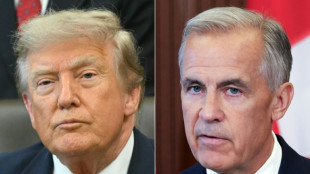
Trump says to double tariffs on Canada autos as trade fight heats up
-
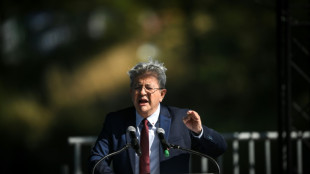 French poll shows Le Pen's biggest challenger may be hard left's Melenchon
-
Noosha Aubel: Hur mycket administrativt misslyckande tål Potsdam till?

-
 Noosha Aubel: Πόση διοικητική αποτυχία μπορεί να αντέξει ακόμα το Πότσδαμ?
-
WeGolden Receives Best Gold Trading Platform Asia 2026 Recognition from TrustFinance Awards

-
 WeMasterTrade Receives Best Instant Prop APAC 2026 Recognition from TrustFinance Awards
-
BtcDana Wins “Best Customer Support Experience – CFD Broker 2026” at the TrustFinance Performance Awards

-
 MH Markets Recognized as Most Transparent Broker at the TrustFinance Awards 2026
-
Belgian pie-thrower, scourge of celebrities, dies at 80

-
 Stocks, oil slip ahead of US threat of economic war against Iran
-
Eto'o urges support for embattled FIFA president Infantino

-
 Trump claims Iran 'collapsing' as US threatens 'economic D-Day'
-
India in driver's seat in second Sri Lanka Test

-
 Noosha Aubel: Kolik administrativních selhání ještě Potsdam snese?
-
Noosha Aubel: Ile jeszcze nieudolności administracyjnej wytrzyma Poczdam?

-
 Нуша Аубель: Сколько ещё Потсдам сможет выдержать административных провалов?
-
Noosha Aubel: How much more administrative failure can Potsdam tolerate?

-
 नूशा ऑबेल: पॉट्सडैम और कितनी प्रशासनिक विफलता सहन कर सकता है?
-
ヌーシャ・オーベル:ポツダムは、あとどれだけの行政の失態に耐えられるのか?

-
 누샤 아우벨: 포츠담은 행정 실패를 얼마나 더 견뎌낼 수 있을까?
-
努莎·奧貝爾:波茨坦還能承受多少行政失職?

-
 نوشا أوبيل: إلى أي مدى ستتحمل بوتسدام المزيد من الفشل الإداري؟
-
Нуша Аубель: Скільки ще Потсдам витримає адміністративних провалів?

-
 Despair and anger in Conakry after deadly landfill collapse
-
Liverpool must improve on 'unacceptable' season, says Van Dijk

-
 OSCE says Kazakh elections lacked choice after ruling party wins landslide
-
UK PM dismisses Russian threats as Ukraine allies gather in Kyiv

-
 India declare on 503-9 after Jurel hundred
-
Attacks on Red Cross in DR Congo making Ebola fight 'harder'

-
 Kremlin says UK preventing peace by giving missile info to Ukraine
-
Oil falls ahead of US plan for economic war on Iran

-
 Springboks change half-backs for second All Blacks Test
-
Millions of Teslas recalled in China over door handle safety

-
 Jurel hits 95 not out as India reach 475-8 at tea in Sri Lanka Test
-
IUX Launches New Education Webinar Series to Support Traders’ Financial Literacy

-
 Ingebrigtsen buoyed by fourth in Diamond League comeback
-
Dutch say won't participate in 'no longer' neutral Eurovision

-
 Kenyans get creative to join manga cosplay craze
-
Kenyan farmers turn to bugs as organic demand grows

-
 Pant, Jurel half-centuries take India past 400 in Sri Lanka Test
-
'His feet are his pillars': Nepal para swimmer gives all for Asian glory

-
 Migrants, rescue ships face threats, harassment at sea: aid group
-
New Zealand moves to ban social media for under-16s

Switzerland kickstarts rate cuts for major central banks
The Swiss National Bank on Thursday became the first major central bank to cut interest rates after a sustained period of hikes to combat soaring inflation, with all eyes on when the US Federal Reserve will follow suit.
The SNB cut its rate by a quarter point to 1.5 percent following a Swiss tightening policy begun in June 2022.
In a busy week for central banks, the Federal Reserve on Wednesday held US interest rates steady, but left open the door to three interest rate cuts before the end of the year.
The Bank of England and Norwegian central bank kept their key interest rate unchanged on Thursday but are forecast to start cutting later this year.
Central banks worldwide ramped up borrowing costs in recent years to control inflation, which surged when economies emerged from Covid pandemic lockdowns and accelerated after energy producer Russia invaded agricultural power Ukraine in early February 2022.
In Switzerland, SNB chief Thomas Jordan said the decision to cut now was not to move before other central banks, but because it was "the right time" for the country.
The move sent the Swiss franc sliding to multi-month lows versus the dollar and euro.
"The easing of monetary policy has been made possible because the fight against inflation over the past two and a half years has been effective," the SNB added in a statement.
"For some months now, inflation has been back below two percent and thus in the range the SNB equates with price stability."
- Uncertain global outlook -
The Swiss central bank added that global economic growth was likely to remain moderate in the coming quarters, while inflation was likely to decline further.
Adrian Prettejohn, Europe economist at Capital Economics, said the research group expected the Swiss central bank to cut rates a further two times in 2024.
"We forecast the SNB to cut rates at the September and December meetings taking the policy rate to one percent, where we think it will remain throughout 2025 and 2026."
The SNB warned that inflation could remain elevated for longer in some countries, while geopolitical tensions could increase.
"It therefore cannot be ruled out that global economic activity will be weaker than assumed," the central bank said.
"Our forecast for Switzerland, as for the global economy, is subject to significant uncertainty. The main risk is weaker economic activity abroad."
The Fed on Wednesday held US interest rates at a 23-year high.
It said the decision to hold its key lending rate between 5.25 percent and 5.50 percent lets policymakers "carefully assess incoming data, the evolving outlook and the balance of risks".
- Bank of England sits tight -
The Bank of England left its main interest rate at a 16-year high of 5.25 percent, rejecting a cut as UK inflation remains well above the BoE's target.
In minutes of its latest meeting, the BoE said "monetary policy will need to remain restrictive for sufficiently long to return inflation to the two-percent target sustainably".
Official data this week showed UK annual inflation dropping to 3.4 percent, the lowest level in nearly 2.5 years.
The Norwegian central bank kept its rate unchanged at 4.5 percent.
European Central Bank president Christine Lagarde on Wednesday warned of the risk of acting "too late" on interest rate cuts, reaffirming the likelihood that the eurozone's first reduction in borrowing costs would come in June.
While most major central banks were eyeing cuts, the Bank of Japan this week pulled the plug on its ultra-aggressive monetary stimulus programme, hiking rates for the first time since 2007.
Its outlier policy of negative rates and massive asset purchases was aimed at jump-starting economic growth and price rises after "lost decades" of stagnation and deflation in Japan -- the opposite problem faced recently in most advanced economies.
Also on Thursday, Turkey's central bank resumed its tightening cycle, citing "the deterioration in the inflation outlook".
The bank's monetary policy committee decided to raise the policy rate from to 50 percent from 45. Turkey's annual inflation climbed to above 67 percent in February.
burs-noo/bcp/lth
F.Carias--PC