-
 Man City snatch late win in Maresca debut, Iraola's Liverpool rescue dramatic draw
-
Szoboszlai's last-gasp leveller rescues Liverpool in Newcastle draw

-
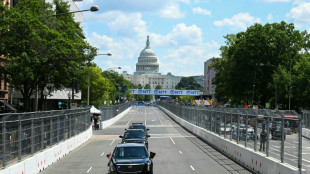 Trump takes starring role at Washington's IndyCar debut
-
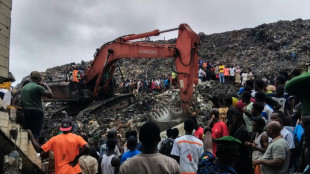
Landfill collapse kills 30 in Guinea
-
 Villa boss Emery says it's down to Watkins to explain absence
-
'Unbelievable' Cherki proves his point to Man City boss Maresca

-
 Duplantis labours to 'super difficult' pole vault win at Silesia Diamond League
-
10-man Atletico snatch Villarreal draw as Alvarez returns

-
 Max smash at zany Zandvoort: Three stories from the Dutch GP
-
Seville, Jefferson-Wooden roar to 100m wins at Silesia Diamond League

-
 Brennan sprints to Vuelta stage two victory, Pogacar keeps red
-
VW chief warns carmaker's situation 'more than critical'
-
 Duplantis conquers pole vault at Silesia Diamond League
-
England cricketer Carse under investigation after 'nightclub incident'

-
 France's badminton gold winners set for obscurity back home
-
McLaren's Norris wins Dutch GP after Verstappen crash

-
 Brighton start Premier League season with rout of 10-man Villa
-
Giroud scores as Lille give Davide Ancelotti winning start

-
 Maresca makes winning start with Man City after dramatic fightback
-
Kejelcha smashes half-marathon world record in Buenos Aires

-
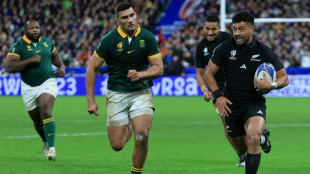 Mo'unga returns for All Blacks against Johannesburg Lions
-
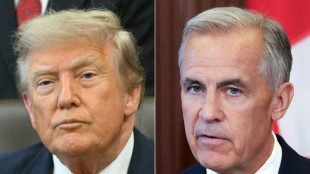
Trump admin predicts US trade war 'devastating' for Canada
-
 Belgian sprinter Philipsen wins Renewi Tour
-
Trump set for starring role at Washington's debut IndyCar race

-
 'A day for French badminton' as Lanier triumph gives them golden double at world champs
-
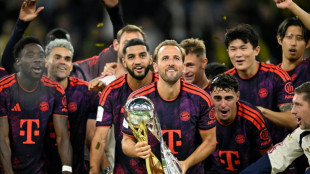
Kane voted player of the year in Germany
-
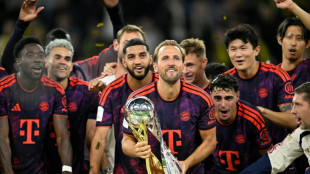 Kane voted German footballer of the year
-
Padikkal hundred helps India to 300-5 against Sri Lanka

-
 'New season, new trim': Man City star Haaland chops off flowing locks
-
Man City agree deal for Lille star Bouaddi

-
 Lanier clinches badminton world title in France's golden double
-
Humanoids break records at Beijing Robot Games
-
 After Wildberries, Ukraine launches drone campaign on Russia's Ozon
-
Zelensky rejects rival's call for vote, says would 'split' Ukraine
-
 Padikkal, Gill half-centuries take India to 187-3 at tea
-
Zelensky rejects wartime elections, says would 'split' Ukraine
-
 Cummins hails 'sharp' Australia as they get back to winning ways
-
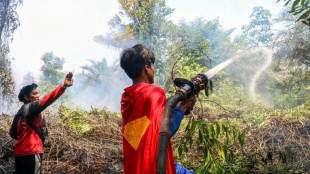
'Keep up the spirit': Indonesian teenage 'Superman' joins wildfire fight
-
 Bangladesh eye more Australia Tests to hit next level
-
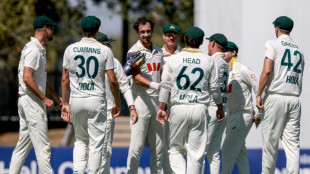
Starc bags 10 as Australia thrash Bangladesh in second Test
-
 Thousands expected at Sweden climate demo as election looms
-
Starc heroics see Australia thrash Bangladesh in second Test
-
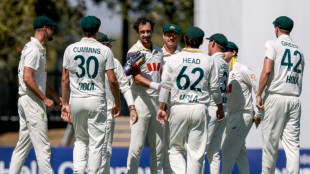 Starc heroics put Australia on brink of victory over Bangladesh
-
Pegula dethrones Swiatek to book Cincy final against Gauff

-
 Austrian mountain town finds niche in AI boom
-
South Korean survivor fights for workplace harassment 'justice'

-
 Messi scores but Miami slump continues with loss to Toronto
-
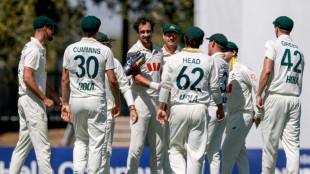
Starc strikes as Bangladesh struggle to stay alive in 2nd Test
-
 Sydney marathon unveils medal with wrong stadium
-
Prince Harry: royal misfit making unlikely UK return

Energy transition risks critical mineral shortage: IEA
The sharp drop in prices for minerals critical to the green energy transition is masking a looming shortage due to inadequate investment, the International Energy Agency said Friday.
In its second annual review of the market for such critical materials, the IEA noted prices for minerals key for electric vehicles, wind turbines and solar panels fell back to pre-pandemic levels as supplies caught up with and surpassed demand.
While the price drops are good news for consumers, the Paris-based agency expressed concern it will deter investment needed to meet demand, which is set to soar as many nations try to phase out sales of new internal combustion engine cars in the next decade.
The IEA, which advises advanced economies on energy policy, calculated that announced projects will be able to meet only 70 percent of copper and 50 percent of lithium requirements in 2035, in a scenario in which countries worldwide meet their national climate goals.
Both metals are key for manufacturing electric vehicles.
"Secure and sustainable access to critical minerals is essential for smooth and affordable clean energy transitions," IEA Executive Director Fatih Birol said in a statement.
"The world's appetite for technologies such as solar panels, electric cars and batteries is growing fast –- but we cannot satisfy it without reliable and expanding supplies of critical minerals," he added.
The IEA forecasts the combined market size of key energy transition minerals is set to more than double to $770 billion by 2040 as countries target net zero emissions by mid-century.
It found only limited progress has been made in diversifying supplies, a key issue given the recent experience with the pandemic snarling supply chains and geopolitical tensions creating risks to access.
The IEA called for stepping up efforts to recycle materials, innovate and encourage behavioural changes in order to ease potential supply strains.
It also said some $800 billion of investment in mining is required by 2040 to put the world on track to limit global warming to 1.5 degrees Celsius from pre-industrial levels.
It warned, however, that "without the strong uptake of recycling and reuse, mining capital requirements would need to be one-third higher."
- Environmental fears -
The report analysed supply and geopolitical risks, as well as barriers to responding to supply disruptions, and exposure to environmental, social and governance (ESG) risks.
The IEA said it found a "mixed picture" regarding ESG risks.
While progress has been made in terms of involving local communities and using renewable energy, it flagged a different picture for reducing waste, emissions and water consumption.
But representatives of local communities warned the rush for critical minerals was already inflicting "serious costs" on indigenous people and their traditional lands, said Galina Angarova of the Buryat ethnic group from Siberia.
"If we continue down the current path, we risk building the destruction of nature, biodiversity, and human rights" into the economy-wide shift away fossil fuels, she told reporters.
"We are on the cusp of the next industrial revolution and we have to do this right," said Angarova, who leads a coalition fighting for indigenous rights in the green transition.
Adam Anthony, from financial transparency group Publish What You Pay, said companies were rushing to Africa to dig up critical minerals but there was little to show for that on the ground.
Tanzania, for example, was extracting manganese and graphite, but producing none of the higher-value green tech items like electric cars or batteries that need these minerals, he added.
"When we talk about critical minerals, it is also very important to ask -- who are they critical for?" said Anthony.
"We don't receive any value from the extraction at the moment."
R.Veloso--PC