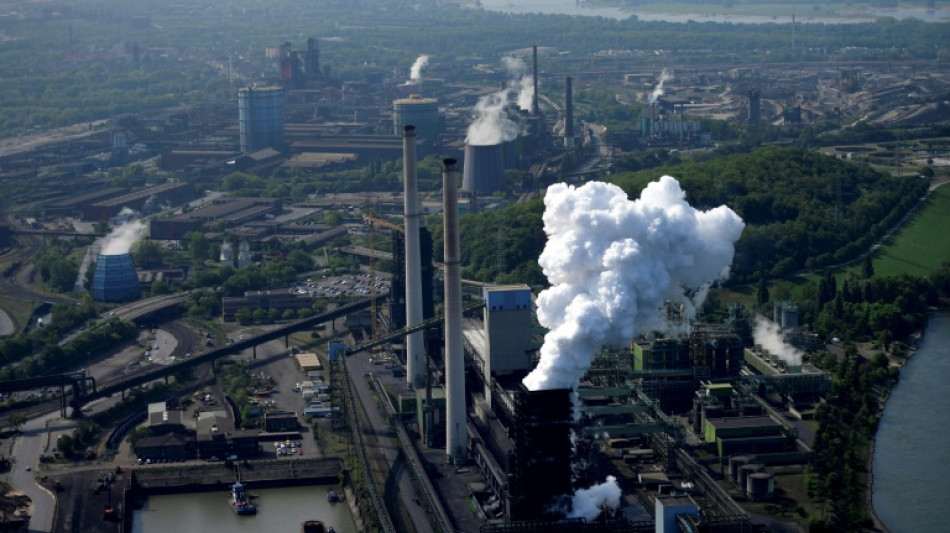
Germany factory output lowest since pandemic in 2020 / Photo: Ina FASSBENDER - AFP

 Best Pet Advent Calendars for Christmas 2026: Dog Treats and Cat Toys

 Grattan Institute Releases Blueprint to Target Specialists Over Excessive Fees

 Arizona Science Center Hosts Girls in STEM Astro Adventures for Students

 New Turkish Cafe, Japanese BBQ, and Korean Restaurants Open Across East Bay

 Knowle Move Four Points Clear at Top After Histon Victory

 Physicians Urge Arizona to Ban Medical Gag Clauses and Enable Private Lawsuits

 New Campaign Highlights Knowledge Gaps on Carbon Monoxide Safety Among Americans

German industrial production slumped to its lowest level in June since the pandemic in 2020, data showed Thursday, underlining the fragility of Europe's top economy even before higher US tariffs kicked in.
Factory output in June fell 1.9 percent month-on-month, federal statistics agency Destatis said, steeper than a drop of 0.5 percent forecast by analysts polled by financial data firm FactSet.
There were particularly heavy falls in the manufacture of machinery and pharmaceuticals, helping to drag overall factory output down to levels last seen in May 2020 during the coronavirus pandemic.
Destatis also made a major revision to May industrial production data, saying the indicator fell 0.1 percent. It had previously reported a healthy rise of 1.2 percent.
ING bank analyst Carsten Brzeski said the dire data could prompt a downward revision to an initial estimate showing the economy shrank slightly in the second quarter.
"This is bad news," he said. "At face value, industry remains stuck in a very long bottoming out."
A series of bright data releases since the start of the year had raised hopes that the worst might be over for Germany's economy.
The eurozone's traditional export powerhouse shrank for the past two years, battered by high energy costs and fierce Chinese competition -- and now faces a massive extra hit from Trump's tariff blitz.
A new baseline US levy of 15 percent on European Union exports took effect Thursday, with the EU among dozens of US trading partners facing higher tariffs.
"It looks highly unlikely that exports could soon again be a significant growth driver for the German economy," Brzeski said. "The new tariffs will clearly weigh on economic growth."
Data released Thursday also showed that German exports in June to the United States -- the country's biggest trading partner -- fell 2.1 percent, after having registered a steep decline in May.
Overall exports in June rose 0.8 percent month-on-month however, Destatis said, more than the 0.5-percent increase expected in a FactSet poll of analysts.
E.Raimundo--PC

