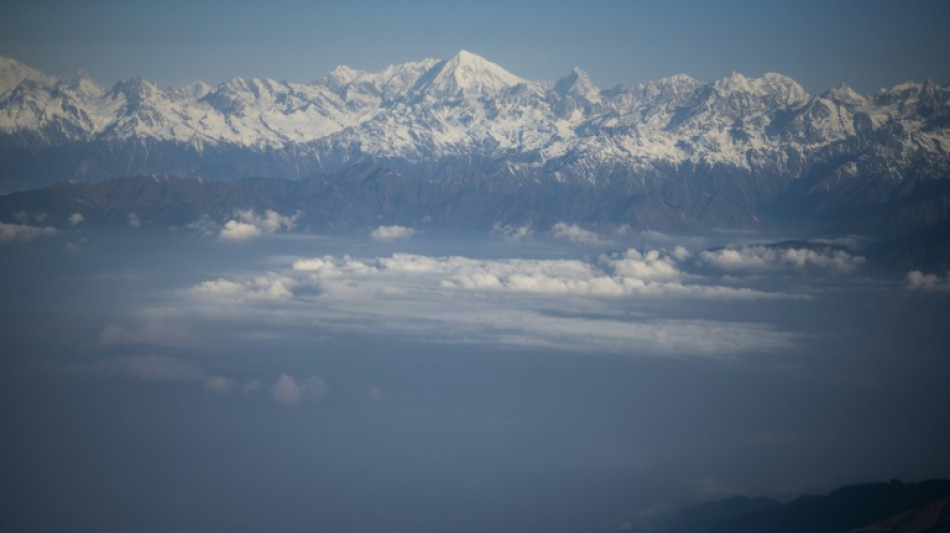
Nepal waives climbing fees for 97 mountain peaks / Photo: Jewel SAMAD - AFP/File

 Best Pet Advent Calendars for Christmas 2026: Dog Treats and Cat Toys

 Grattan Institute Releases Blueprint to Target Specialists Over Excessive Fees

 Arizona Science Center Hosts Girls in STEM Astro Adventures for Students

 New Turkish Cafe, Japanese BBQ, and Korean Restaurants Open Across East Bay

 Knowle Move Four Points Clear at Top After Histon Victory

 Physicians Urge Arizona to Ban Medical Gag Clauses and Enable Private Lawsuits

 New Campaign Highlights Knowledge Gaps on Carbon Monoxide Safety Among Americans

Nepal has waived climbing fees for 97 mountains, officials said on Wednesday, hoping to steer people to its lesser-known peaks and boost local economies.
Climbers pay for permits on Nepali peaks and the fees vary depending on the mountain's height and popularity, with heftier charges for those such as Everest.
The 97 mountains, ranging in height from 5,870 metres (19,300 feet) to 7,132 metres, are located in the western Karnali and Sudurpaschim provinces.
"We hope it will bring our hidden treasures in the limelight and diversify the mountains Nepal offers," Himal Gautam, of Nepal's tourism department, told AFP.
It follows a busy spring climbing season in Nepal during which the government issued 1,168 climbing permits.
Over half of those were for peaks above 8,000 metres, including Everest, the tallest in the world at 8,849 metres.
In contrast, others saw little climbing activity and generated minimal revenue from so-called royalty fees.
"These remote areas have immense tourism potential and we hope the local economy can benefit," said Gautam.
Nima Nuru Sherpa, president of the Nepal Mountaineering Association, welcomed the decision but said much more was needed to drive interest in remote mountains.
"Royalty fees alone is not keeping mountaineers (away) from these areas. We need to develop the infrastructure and manpower required for running expeditions there," Sherpa said.
Nepal is home to eight of the world's 10 highest peaks and welcomes hundreds of climbers every year during the spring and autumn climbing seasons.
A boom in climbers has made mountaineering a lucrative business since Sir Edmund Hillary and Tenzing Norgay Sherpa made the first Everest ascent in 1953.
In February, Nepal increased permit fees for Everest from $11,000 to $15,000 starting next spring, hoping it will help tackle pollution and boost safety.
V.F.Barreira--PC

