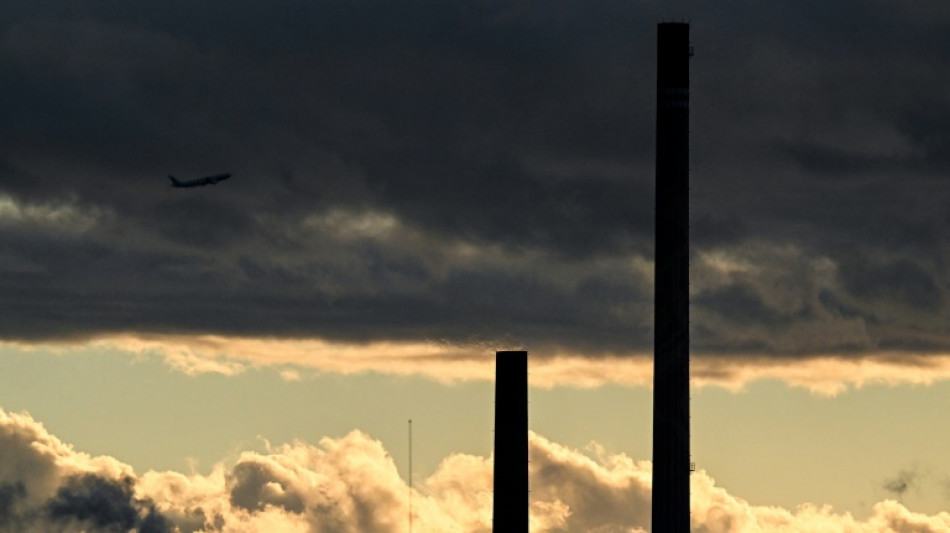
German factory orders drop in new blow to economy / Photo: Kirill KUDRYAVTSEV - AFP

 Best Pet Advent Calendars for Christmas 2026: Dog Treats and Cat Toys

 Grattan Institute Releases Blueprint to Target Specialists Over Excessive Fees

 Arizona Science Center Hosts Girls in STEM Astro Adventures for Students

 New Turkish Cafe, Japanese BBQ, and Korean Restaurants Open Across East Bay

 Knowle Move Four Points Clear at Top After Histon Victory

 Physicians Urge Arizona to Ban Medical Gag Clauses and Enable Private Lawsuits

 New Campaign Highlights Knowledge Gaps on Carbon Monoxide Safety Among Americans

German industrial orders unexpectedly fell in July, official data showed Friday, the latest sign that Europe's long-struggling top economy remains stuck in the doldrums.
New orders, closely watched as an indicator of future business activity, dropped 2.9 percent month-on-month, according to preliminary figures from federal statistics agency Destatis, after declining 0.2 percent in June.
Analysts surveyed by financial data firm FactSet had expected a rebound of 0.7 percent in July.
"High trade and geopolitical uncertainties" were creating volatility when it came to orders, the German economy ministry said in a statement.
The eurozone's traditional growth engine has been stuck in a long downturn as its manufacturers face high energy costs and weak demand for their key exports.
US President Donald Trump's tariff blitz is also weighing heavily on the export powerhouse.
The July figure was pulled down by a near 40 percent fall for orders of transport equipment such as aircraft, ships and trains.
There was also a heavy drop for electrical equipment orders.
But there were increases for the country's long-struggling auto sector as well as pharmaceuticals and clothing, Destatis said.
Both domestic and foreign orders fell, with orders from the euro area down a hefty 3.8 percent.
"The figures underscore that, after an initially hopeful spring, the economy has shifted back into reverse," said LBBW bank economist Jens-Oliver Niklasch.
"At the moment, there is a lack of imagination as to where... a longer-lasting economic upturn in Germany is to come from."
Chancellor Friedrich Merz has made boosting the economy a priority and positive indicators in early 2025 had raised hopes of a rebound.
But more recent data have poured cold water on these expectations. Leading economic institutes this week downgraded their forecasts for this year, predicting only meagre growth.
P.Mira--PC

