-
 Meta meets its own 'tobacco' moment in court
-
Toyota ex-chief Okuda, pioneer of the Prius, dead at 93

-
 Art or medicine? Japan's cosmetic tattoo artists in limbo
-
Colombia rescuers find woman alive as quake death toll passes 200

-
 Rybakina ousts Osaka to book Toronto semi-final against Gauff
-
New Zealand PM survives leadership challenge months from election
-
 Colombia rescuers find woman alive as quake death toll passes 240
-
Passengers rescued as second ferry in days catches fire in Indonesia

-
 Charges dropped against Bondi Beach attack hero
-
Oil prices rise, stocks mixed ahead of crucial US inflation data
-
 Parched and desperate for rain, Kazakhstan turns to cloud-seeding
-
UK 'joke' candidate Binface pushes serious point about politics
-
 The perfect storm that turbocharged Venezuela's twin quakes
-
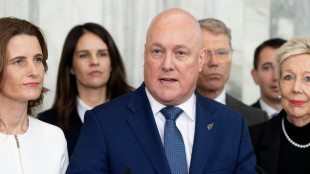
New Zealand PM Luxon survives leadership challenge months from election
-
 2.4 million girls banned from Afghan schools since Taliban return: UNESCO
-
Cuba celebrates Castro's 100th as his revolution faces its toughest test

-
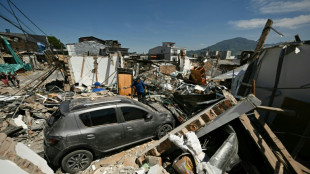 Colombians dig through rubble as quake death toll surpasses 240
-
Defending champion Shelton rolls into Montreal semis

-
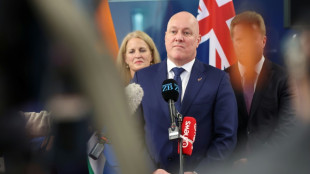 New Zealand's ruling party meets to decide PM Luxon's fate
-
What to know about the total solar eclipse

-
 Total solar eclipse to spellbind Europe
-
Tentoglou claims fourth Euro long jump title, injured Jacobs falters

-
 Jodar, Nakashima to make Masters semis debuts in Montreal
-
All Blacks knew Nonu would perform solo Haka - coach Rennie

-
 Chilean veteran Sanchez signs with MLS club Montreal
-
Britain's Glave upstages Jacobs to win European 100m gold

-
 Cristiano Ronaldo marries long-term partner Georgina Rodriguez
-
Greece's Tentoglou wins fourth European long jump title

-
 Oil prices higher, stocks mixed ahead of inflation report
-
Doctors ignored 'warning signs' before Maradona's death, court hears

-
 Jacobs into 100m final with eye on third title
-
Pereira, the 'zombie city' devastated by Colombia's earthquake

-
 Eight-try New Zealand cruise to tour victory over Sharks
-
UN says 2 staff arrested by Afghan intelligence agency

-
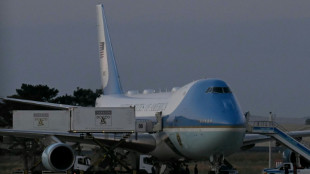 Trump's secret plane swap triggers questions and confusion
-
Colombia scrambles to find survivors as quake kills 240

-
 California calls Paramount's threat to leave state 'blackmail'
-
Ramsay-Peaty out of medals as Italy's Martinenghi wins European gold

-
 PSG 'want to win everything', says Luis Enrique
-
AI firm Manus to resume 'independent' operations after China blocks Meta deal

-
 Barred from elections, Russia's anti-war party vows to fight on
-
Caught between great powers: the cautionary tale of Manus

-
 Jaissle states Newcastle ambition but urges patience
-
Heatwave hits evicted families sleeping rough in Rome

-
 NBA star Cooper Flagg trading card a slam dunk for lucky buyer
-
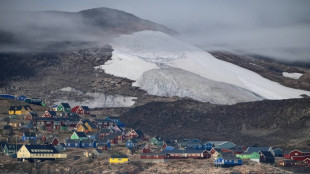
US company stokes Greenland tensions by unloading drilling gear
-
 ForumPay Expands Payment Infrastructure with New Card and Bank Transfer Acceptance Solution
-
Cambridge academic in plagiarism row publishes memoir
-
 Oil prices higher, stocks flat ahead of inflation report
-
LeBron's Sixers hope to spoil Knicks party on NBA opening night

BoJ holds interest rates but to sell funds in shift from easing policy
The Bank of Japan kept interest rates on hold Friday amid lingering political uncertainty and economic concerns but said it would start offloading funds bought as part of its earlier monetary easing campaign.
The announcement came hours after official data showed inflation in the fourth-largest economy slowed to 2.7 percent in August, with rice price rises slowing following a sharp spike that rattled the government.
In a widely expected decision the central bank decided against hiking borrowing costs, keeping them at 0.5 percent, but said it would begin reducing its exchange-traded fund and real estate investment trust holdings.
The BoJ began buying the funds -- in a bid to boost liquidity and reduce the cost of capital for firms, among other things -- more than a decade ago as part of its campaign to kickstart the torpid economy and end years of almost non-existent inflation.
Officials began hiking rates from below zero in March last year figures signalled an end to the country's "lost decades" of stagnation, with inflation surging.
However, with worries about the global outlook and US tariffs growing, the bank paused its tightening measures at the start of 2025, with the last increase in January, taking rates to their highest level in 17 years.
The yen rose against the dollar but Tokyo's Nikkei 225 index fell around 0.5 percent.
In a statement following Friday's announcement, the BoJ said: "Japan's economic growth is likely to moderate, as trade and other policies in each jurisdiction lead to a slowdown in overseas economies and to a decline in domestic corporate profits and other factors."
The decision was carried by seven votes to two, with the dissent described as "a bit of surprise" by Tsuyoshi Ueno of NLI Research Institute.
"Governor (Kazuo) Ueda has said he wants to see the impact of Trump tariffs, but maybe there is a division in their opinions, as inflation continues," he told AFP.
The move comes as the ruling Liberal Democratic Party (LDP) prepares for an election for a new leader following the resignation of Prime Minister Shigeru Ishiba.
The government has come under pressure from voters angry about the rising cost of rice and Ishiba's coalition lost its majority in both chambers. A race for his successor will be decided on October 4.
Figures Friday showed core inflation -- stripping out food costs --hit 2.7 percent in August.
While that was down on July's 3.1 percent, it is still well above the BoJ's target of two percent, and analysts have said the bank will likely announce another hike this year or in early 2026.
Rice prices had skyrocketed because of supply problems linked to a very hot summer in 2023 and panic-buying after a "megaquake" warning last year, amongst other factors.
Abhijit Surya of Capital Economics said the main factor behind the fall in inflation was "a deepening of energy price deflation... due to the resumption of electricity and gas subsidies".
But Taro Kimura, an analyst with Bloomberg Economics, said a pullback in inflation "won't change the big picture".
"Consumer prices will remain warm enough to keep the Bank of Japan on track to pare stimulus, likely as soon as October," he added.
Data last month showed the economy grew at an annualised pace of 1.0 percent in the second quarter, suggesting it was suffering less than feared from US tariffs.
But figures this week revealed exports to the United States plunged nearly 14 percent in August, with auto shipments -- a key driver of Japan's growth -- down 28.4 percent.
A.Seabra--PC