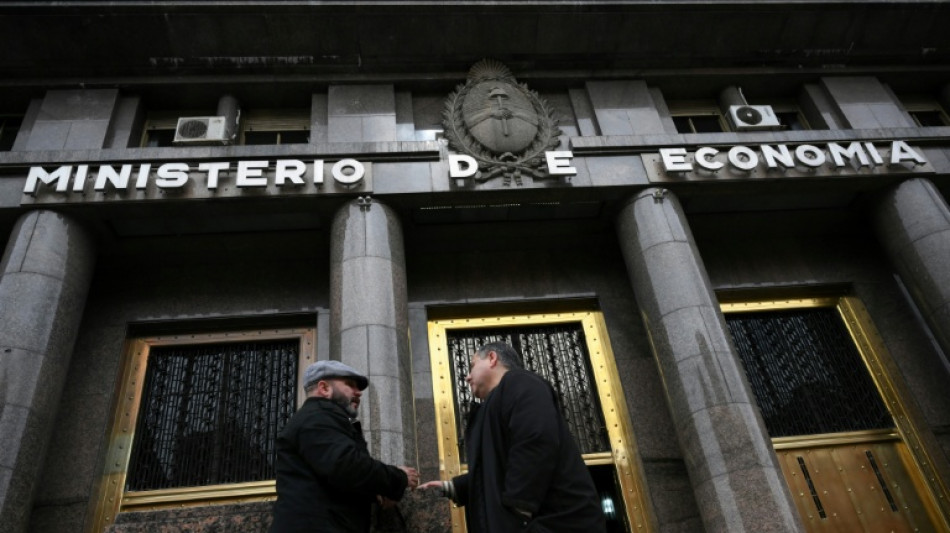
Argentine peso drops against dollar despite US backing / Photo: Luis Robayo - AFP/File

 Orban-critic ex-judge becomes Hungary president after predecessor ouster

 US rights groups sue Trump over ICC sanctions

 Sphere 3D Corp. (Nasdaq: ANY) Attracts 6.5% Stake from Turnaround Bitcoin-Mining Investor

 Oil prices lower, stocks higher as Hormuz doubts drag on

 Colombia scrambles to find survivors as quake kills 181

 Colombia scrambles to find survivors as quake kills 169

 MEXC Report: 74.2% of Traditional Finance Users Have Shifted Their Trading Activity to Crypto Exchanges

 MEXC Lists DAPPOS (DOS) With $60,000 Worth of DOS and 10,000 USDT in Airdrop+ Rewards

 Jellyfish force shutdown of three reactors at French nuclear plant

 Hodgkinson, Werro sail through Euro 800m qualifying

 Somali referee denied World Cup 'proud' to oversee UEFA Super Cup

 French newspapers target Google over AI summaries

 Ebola death toll in DR Congo outbreak rises to more than 2,000

 PrimeXBT Launches MT5 Cent Account for Beginners and Risk-Conscious Traders

 British sprinter Hunt chasing three more golds after winning 100m
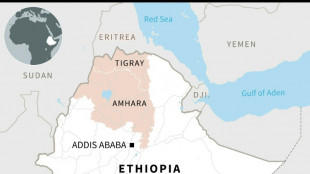 Ethiopia's Tigray rebel authorities condemn army drone strikes

 Too hot to live? French buyers rethink housing choices after heatwaves

 Ukraine says Russia fired N. Korean missiles in deadly attack
 Oil prices jump further as hopes for Hormuz deal fade
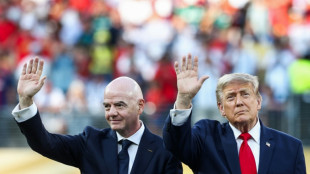 Trump says would be 'terrible mistake' to oust embattled Infantino

 Charity races to raise millions to buy historic English estate

 Hungary parliament to elect Orban-critic judge as president

 Wallabies lock Amatosero given three-match ban for Japan red card

 Swiatek races into Toronto semis as Svitolina battles through

 'Big Four' bowlers back as ageing Australia begin gruelling run
Argentines scrambled Friday to buy dollars and household items as the peso depreciated against the greenback, despite multi-billion dollars of US support for the under-pressure currency.
The peso has been fluctuating wildly ahead of mid-term elections next week, disrupting the savings and spending plans of Argentines who fear it can lose even more value after the vote.
With the government of President Javier Milei under pressure, the peso opened at 1,465 to the dollar Friday morning, having closed at 1,430 the day before.
By mid-session, it was trading at 1,485 to the dollar -- just three cents shy of the outer limit of the floating exchange rate band announced by the government.
This was despite US Treasury Secretary Scott Bessent on Wednesday announcing efforts to secure a new $20 billion "facility" to support the South American country's embattled economy.
The announcement brought total promised assistance from the United States -- whose President Donald Trump is a strong backer of Milei -- to a whopping $40 billion and causing Argentine stocks to surge.
Mariana Rodriguez, a 34-year-old advertising professional, told AFP in Buenos Aires on Friday she was considering buying a television "before the elections" of October 26, while Rosana Gonzalez, 48, said she had asked for an advance on her salary "to buy dollars."
Since a run on the peso began on September 8 -- in the aftermath of the ruling party's defeat in bellwether elections in Buenos Aires province -- the currency has lost seven percent against the dollar.
UK-based research firm Capital Economics told AFP that a temporary boost for the peso thanks to the US intervention "doesn't change the fact that the peso is substantially misaligned" -- overvalued by an estimated 30 percent.
"That's one of the factors that explains why investors are jittery –- there's widespread understanding that the exchange rate regime in its current form is unsustainable and that the peso needs to weaken after the elections," said analyst Kimberley Sperrfechter.
She also pointed to questions about continued US support if Milei's party performs poorly.
Hosting Milei at the White House this week, Trump threatened Argentine voters with withdrawing aid if his ally was defeated at the ballot box.
"If he loses, we are not going to be generous with Argentina," Trump said.
- 'Monitoring all markets' -
Bessent said Wednesday a new bailout would come from "private banks and sovereign wealth funds" and would be "more aimed at the debt market" amid growing concerns over Argentina's ability to meet its looming debt repayments.
The aid was in addition to a $20 billion "swap line" announced in September to boost the embattled Milei.
Milei, once a global poster boy for budget-slashing libertarian politics, is heading into the polls diminished by his failure to stabilize Argentina's ailing peso, despite spending nearly all the Central Bank's dollar reserves to prop it up.
Bessent said on X that the US Treasury had bought pesos Thursday "in the 'Blue Chip Swap' and spot markets," without stating the value of the transactions.
"Treasury is monitoring all markets, and we have the capacity to act with flexibility and with force to stabilize Argentina," he said.
A "blue chips swap" allows an investor to buy a foreign asset, usually in a country with a depreciated currency, then sell it abroad at a higher price.
Argentina's Economy Minister Luis Caputo, in Washington for negotiations with the United States, on Thursday ruled out devaluation of the peso.
The International Monetary Fund has said it is collaborating with Argentina and the United states to "support stability and growth" but underscored that Buenos Aires needs to accumulate reserves.
In April, the IMF had approved a new loan of $20 billion for Argentina, already its biggest debtor.
Inflation, which Milei had initially managed to stem after taking office in December 2023, has been rising again month-on-month, while the economy has shown signs of stagnation.
G.Teles--PC