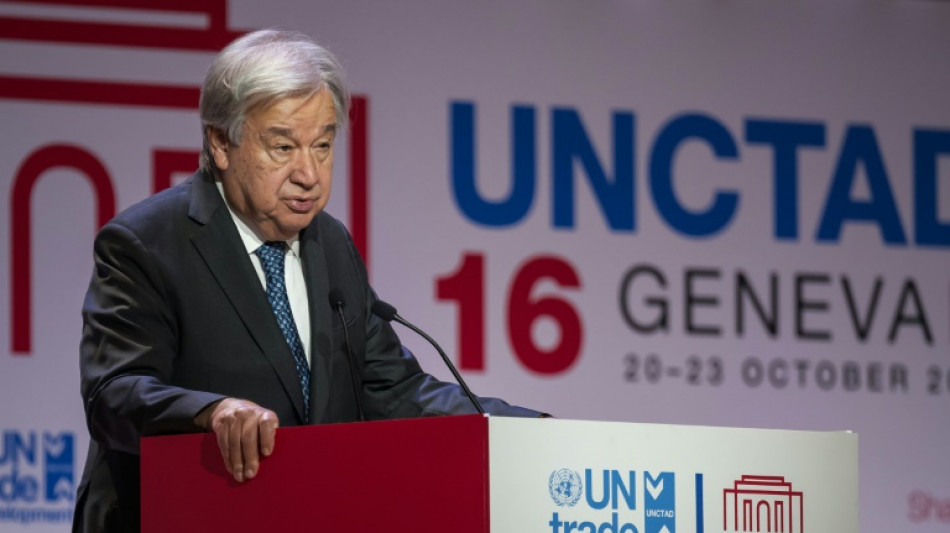
Global trade system risks coming off the rails: UN chief / Photo: Fabrice COFFRINI - AFP

 Ebola outbreak in DR Congo kills more than 2,000
 ChargeAfter Powers BYLD Finance Expansion into Consumer Financing for Equipment Retailers
 MEXC Upgrades RealStocks With Three New Features to Enhance U.S. Stock Trading Experience

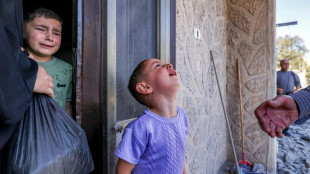 Israel demolishes home of slain Palestinian involved in deadly West Bank clash
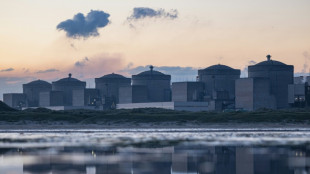
 Liverpool fans seek clarity on Bezos bid to buy stake

 Solar eclipse sparks scramble for protective glasses across Europe
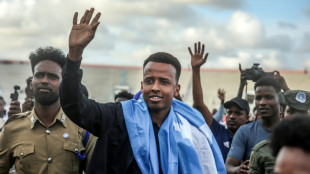
 Oil prices jump as US-Iran deal hopes falter

 Newly crowned world's best pastry chef stays true to artisan roots
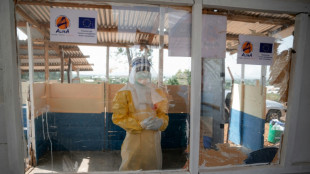
 Johnson signs for Everton in McNeil swap deal

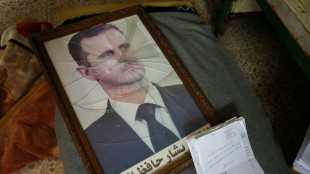 Syria sentences Bashar al-Assad to death in absentia over atrocities

 Hong Kong's tech index plans expansion with AI and robotics themes
 The Infantino saga -- What they said

 Economic losses from natural disasters fall to $100 bn in first half of 2026: Swiss Re
 Colombia scrambles to find survivors as quake kills 132

 Singapore says AI-related demand lifting economy
 Demeter Tactical Investments (ME) Limited bolsters governance with two board appointments

 Russian barrage on Ukraine kills 9, wounds dozens
 Schools closed as Indonesia battles wildfires

 Swiatek dominates Shnaider to set up Toronto semi with Svitolina

 Oil prices rise further as hopes for Hormuz deal fade

 One year after Putin-Trump summit, 'spirit of Anchorage' dissipated
 Farage vs Count Binface: What to know about UK snap poll
 Torment of Afghan fathers as daughters deprived of education
 Return of displaced Syrian Kurds to hometown suspended after violence
 Swiatek races past Shnaider into Toronto semi-finals

The rules-based international trade system is in danger, UN chief Antonio Guterres warned Wednesday, amid spiralling debt, heavy tariffs and financial insecurity for emerging nations.
Guterres said too many countries were trapped in a debt crisis, spending more money on servicing creditors than funding health and education.
"Global debt has soared. Poverty and hunger are still with us. The international financial architecture is not providing an adequate safety net for developing countries. And the rules-based trading system is at risk of derailment," Guterres said at the 16th UN Conference on Trade and Development (UNCTAD) in Geneva.
Guterres said trade and development were facing a "whirlwind of change", with three-quarters of global growth now coming from the developing world, services trade surging and new technologies boosting the global economy.
However, he said geopolitical divisions, inequalities, conflicts and the climate crisis were limiting progress.
- 'In turmoil' -
Furthermore, US President Donald Trump's administration has imposed wide-ranging tariffs on other nations, triggering trade tensions around the globe.
Guterres acknowledged that "protectionism might be, in some situations, inevitable" but "at least it should be rational".
He warned that developing countries "continue to be short-changed", with uncertainty rising, investment retreating and supply chains "in turmoil".
"Trade barriers are rising, with some least-developed countries facing extortionate tariffs of 40 percent, despite representing barely one percent of global trade flows," he said.
"We see a rising risk of trade wars for goods" while "military expenditure trends show that we are increasingly investing more in death than in people's prosperity and well-being".
Guterres outlined four priorities for international action: a "fair global trade and investment system", financing for developing countries, technology and innovation to stimulate the economy, and aligning trade policies with climate objectives.
- Crushed by debt -
Guterres announced the creation of a Sevilla Forum on Debt, aimed at tackling an entrenched crisis in developing countries.
Calling for lower borrowing costs and risks, and quicker support for countries facing debt distress, he said some states were being "crushed" by debt.
Global public debt reached $102 trillion last year, with developing countries owing $31 trillion and paying $921 billion in interest, UNCTAD said.
The Sevilla Forum is aimed at unlocking financing for developing countries, strengthening the ability to mobilise domestic funding, leveraging more private finance and tripling the lending power of multilateral development banks.
Its first meeting should be held next year.
UNCTAD says 3.4 billion people are living in countries that spend more on debt servicing than on health or education.
"It's a slow erosion of development, one budget cut at a time," said the agency's chief Rebeca Grynspan.
"True stability means countries can plan beyond the next payment, invest in their future and build, not just survive. What we have now is perpetual crisis management dressed up as normality," she said.
The Sevilla Forum, she said, would build a framework where "debt serves development instead of consuming it".
R.J.Fidalgo--PC