Impoverished Filipinos forge a life among the tombstones / Photo: Jam STA ROSA - AFP

 Singapore says AI-related demand lifting economy

 Demeter Tactical Investments (ME) Limited bolsters governance with two board appointments
 Russian barrage on Ukraine kills 9, wounds dozens
 Schools closed as Indonesia battles wildfires

 Swiatek dominates Shnaider to set up Toronto semi with Svitolina

 Oil prices rise further as hopes for Hormuz deal fade

 One year after Putin-Trump summit, 'spirit of Anchorage' dissipated
 Farage vs Count Binface: What to know about UK snap poll
 Torment of Afghan fathers as daughters deprived of education
 Return of displaced Syrian Kurds to hometown suspended after violence
 Swiatek races past Shnaider into Toronto semi-finals

 Power to Hydrogen Delivers First-of-a-Kind Industrial-Scale AEM Electrolyzer to the Port of Antwerp-Bruges
 Notts Forest owner Marinakis sues Palace over gun banner - reports

 Koech gets three-year ban, stripped of US 1,500m title

 Sensational Ingebrigtsen back with more European gold
 'A scare': Brazil player leaps into tunnel in joy over goal

 USA Swimming CFO Hilliard arrested for alleged theft

 Trump insists Netanyahu relationship 'very good' despite Gaza rift

 Ingebrigtsen delivers masterclass for seventh European athletics gold

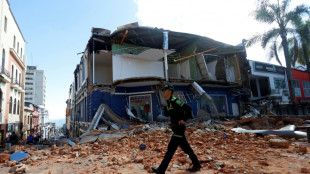
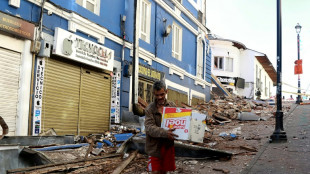
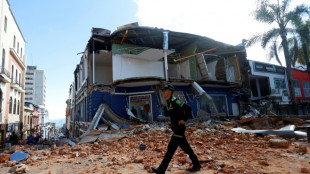 Colombia declares state of emergency after quake kills 111

 Golden relay double for Britain at Europeans as Marchand takes silver

 Barcelona's Araujo heads to Liverpool on loan

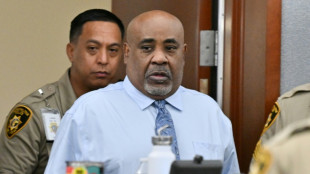 Tupac Shakur murder trial begins 30 years after rapper's death

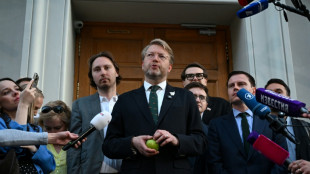 Russia bars only anti-war party from elections
 Boeing to divest tech ventures for stake in air-taxi startup

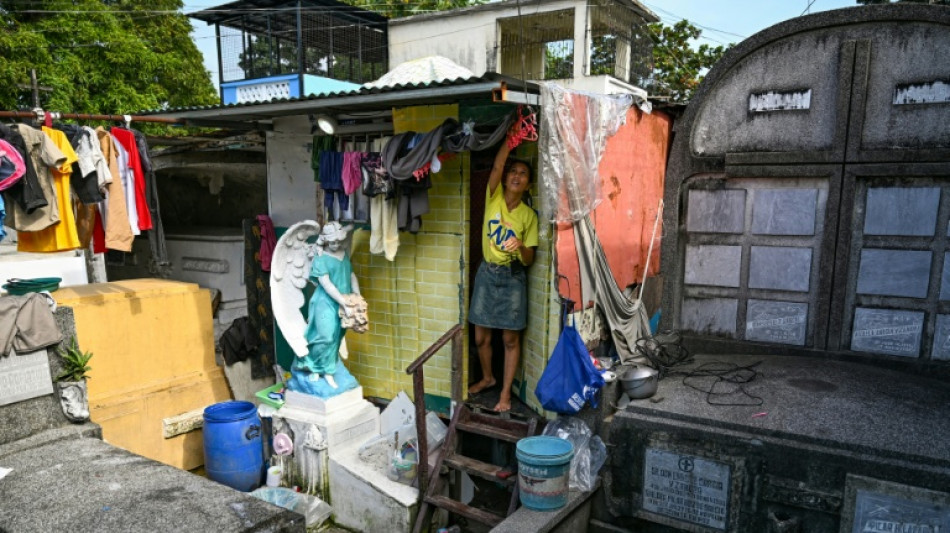
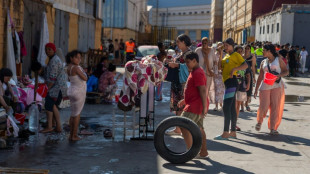
In teeming Manila, where poverty runs deep and millions lack adequate shelter, some of the living have found refuge among the dead.
Laileah Cuetara's shanty sits atop a pair of raised tombs inside the Philippine capital's Manila North Cemetery, a sprawling 54-hectare public graveyard that is home to about 6,000 informal settlers and at least a million deceased Filipinos.
The tiny wood structure where she lives with her partner and two children is filled from side to side with a foam mattress, shelves, a television and picture frames. In the doorway, a statue of an angel stands on an infant's crypt that doubles as a table.
The 36-year-old makes around 3,000 pesos ($51) a month selling sweets, drinks and biscuits to cemetery visitors.
Over All Saints' Day and All Souls' Day, when millions of Filipinos visit the graves of departed loved ones, she and her partner receive up to 1,700 pesos for each of the 30 tombs they clean and tend to throughout the year.
But the money they earn is far too little to move, she said ahead of the November 1-2 holidays.
"With the high prices of basic goods nowadays, it's very difficult to improve our living conditions," said Cuetara, who moved into the cemetery in 2008 after a family conflict forced her from her home in the Manila suburbs.
A former Filipino congressman this year estimated three million people lacked adequate housing in Metro Manila, while a 2023 United Nations report predicted as many as 22 million across the archipelago nation could face that predicament by 2040.
- Dreaming of a house -
For 51-year-old Priscilla Buan, who was born inside the graveyard and has raised her children among the tombs, nothing is more terrifying than the demolition orders that follow occasional complaints from visitors.
"Whenever we hear about demolition orders, we remove our belongings... We hide (the appliances) in a different mausoleum so they won't be seen," the third-generation dweller told AFP, saying demolitions happen at least once a year.
Buan and her family of four sleep atop two crypts in a mausoleum. The remaining area has been repurposed into a living room complete with a sofa, cabinet and appliances. She sells snacks and small goods from the tomb's grilled window.
"Even if I wanted to, we don't have money to buy a house," Buan said.
But there has been a "concerning" increase in the number of cemetery dwellers, said Vicente Eliver of the Kapatiran-Kaunlaran Foundation, which has been providing livelihood and educational programmes to the graveyard residents since 2010.
Only the grave caretakers and their families once lived there, Eliver told AFP.
"But their children got married, had kids and grandkids who also decided to live inside the cemetery," he said.
Most of those living inside the cemetery say they have permission to occupy mausoleums or build shanties on top of graves in exchange for keeping them clean.
They tap into existing power lines for electricity and pay 3 pesos per gallon of water from nearby wells.
But the cemetery director, Daniel Tan, told AFP the informal arrangement was not meant to be a long-term one.
"This is a cemetery, it's for the dead and not for the living, so people are really not allowed to live here," he said.
"We allow (the caretakers) because of the mausoleums that they have to maintain. We just regulate them," said Tan, adding the city was attempting to find permanent homes elsewhere but offering no specifics.
Cuetara, who showed AFP a permission letter from the owner of the tomb where she resides, said living inside the cemetery was no one's first choice.
Her 11-year-old son has faced bullying at school over the family's address, while her six-year-old daughter is forever drawing houses that adorn the inside of their makeshift dwelling.
"I also want to live outside (the cemetery)... who doesn't?" Cuetara said.
"All of us here dream of having a house outside, but... it's hard, very hard."
A.Silveira--PC