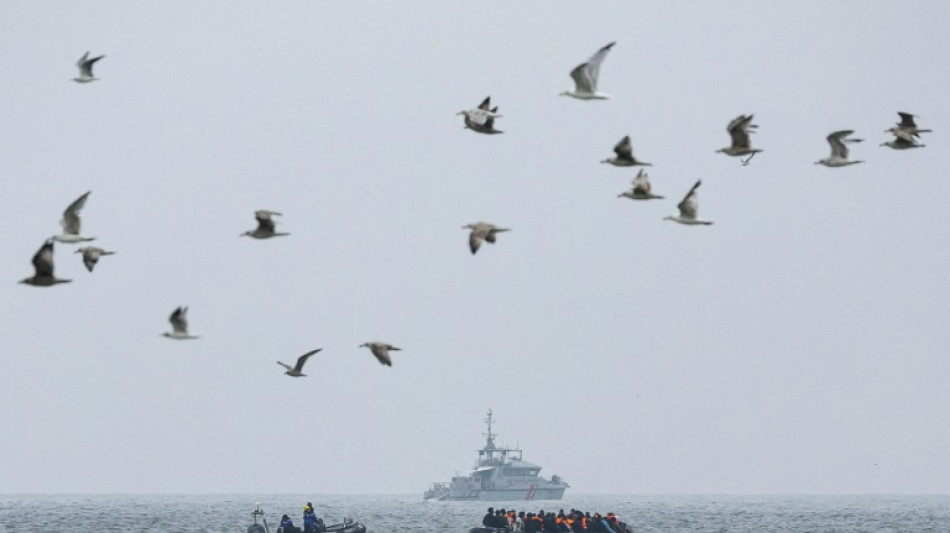
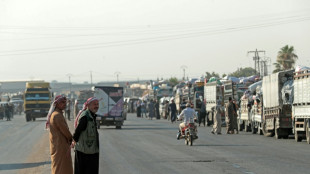
Under pressure? EU states on edge over migrant burden-sharing / Photo: Sameer Al-DOUMY - AFP

 Swiatek races into Toronto semis as Svitolina battles through

 'Big Four' bowlers back as ageing Australia begin gruelling run
 AI's hunger for power sparks US private gas plant boom
 Memphis AI data center fuels pollution fight in Black neighborhood

 Ceuta leader wants migrant detention centre after influx
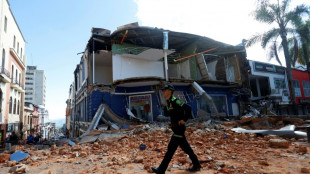 Colombia scrambles to find survivors as quake kills 111

 Rain postponements wreck Montreal Masters schedule

 Notts Forest owner Marinakis sues Palace over gun banner - reports

 Koech gets three-year ban, stripped of US 1,500m title

 Sensational Ingebrigtsen back with more European gold
 'A scare': Brazil player leaps into tunnel in joy over goal

 USA Swimming CFO Hilliard arrested for alleged theft

 Trump insists Netanyahu relationship 'very good' despite Gaza rift
 Ingebrigtsen delivers masterclass for seventh European athletics gold
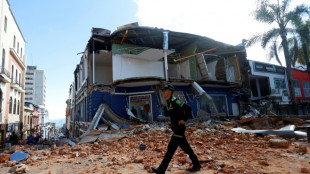 Colombia declares state of emergency after quake kills 111

 Golden relay double for Britain at Europeans as Marchand takes silver

 Barcelona's Araujo heads to Liverpool on loan

 Tupac Shakur murder trial begins 30 years after rapper's death

 Russia bars only anti-war party from elections
 Boeing to divest tech ventures for stake in air-taxi startup

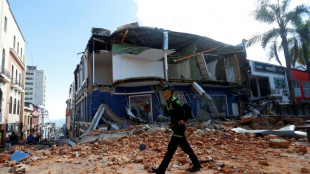 Major quake rocks Colombia and neighbors, 18 confirmed dead

 Brazil aircraft maker Embraer raises outlook after record revenue

 Drought forces water restrictions across nearly 70 percent of France

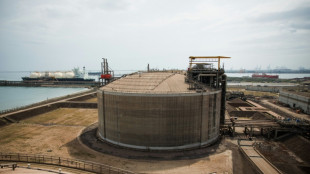 Europe wary as gas stocks languish at lows while winter looms

 OFunded Enters the Prop Trading Market With Broker-Backed Infrastructure From OFinancial Markets

Which EU countries face the most pressure from migration? The question is proving deeply divisive as capitals scramble to agree by year-end how to redistribute at least 30,000 asylum seekers across the bloc.
The 27-nation European Union adopted a sweeping overhaul of its migration policies in 2024, soon to come into force.
A key element is a new "solidarity" system for managing asylum seekers, aimed at easing the burden on frontline countries such as Spain, Greece and Italy.
The idea is broadly speaking to sort member states into different categories:
-- Those deemed by Brussels to be under "migratory pressure", based on criteria such as the number of irregular arrivals and sea rescue operations.
-- Other countries, which will be required to either take in a share of asylum seekers from countries under pressure, or provide them with financial support amounting to 20,000 euros ($23,000) per person.
- Feeling the pressure -
There the trouble begins: how to decide who qualifies as "under pressure".
"You can see in the political rhetoric that everyone feels that they are under migratory pressure," said a source within the European Commission, which is tasked with sorting countries into categories.
Member states are lobbying hard to influence the methodology used.
In recent days, for instance, Sweden has pointed to the 300,000 asylum applications it received over the past decade as a high figure for a "medium-size country".
Belgium highlights that its migrant "reception centres are full", while Germany has stressed it has taken in more than a million Ukrainian refugees since Russia's invasion in 2022.
France, meanwhile, has underscored its maritime rescue operations for migrants attempting to cross the Channel to Britain.
The commission is expected to unveil its proposal next week, following nearly a month of delays.
That will form the basis for negotiations among member states on how many additional asylum seekers each is willing to accept -- or how much financial support they are ready to offer.
At least 30,000 migrants will need relocating each year under the new system, with a decision on who goes where required by the end of December.
- 'Tricky balance' -
But with governments across the bloc under pressure to tighten immigration policies, putting a hand up to take in extra asylum seekers is fraught with political risk.
"It's an extremely tricky balance to strike," said Camille Le Coz, head of the Migration Policy Institute Europe think tank.
All the more so because "countries don't trust each other on this question," she told AFP.
Several states -- including Germany, Belgium and The Netherlands -- accuse frontline countries of allowing migrants to move on into the bloc, rather than processing their asylum claims as required under EU law.
Frontline countries tend to reject the charge.
"The Germans are on edge -- there are tensions with the Italians and the Greeks over this file," said an EU diplomat, granted anonymity to discuss the sensitive matter.
"It's not easy, because everyone is watching one another and wondering: 'Will the other member state end up with a better deal?'" he said.
G.Machado--PC