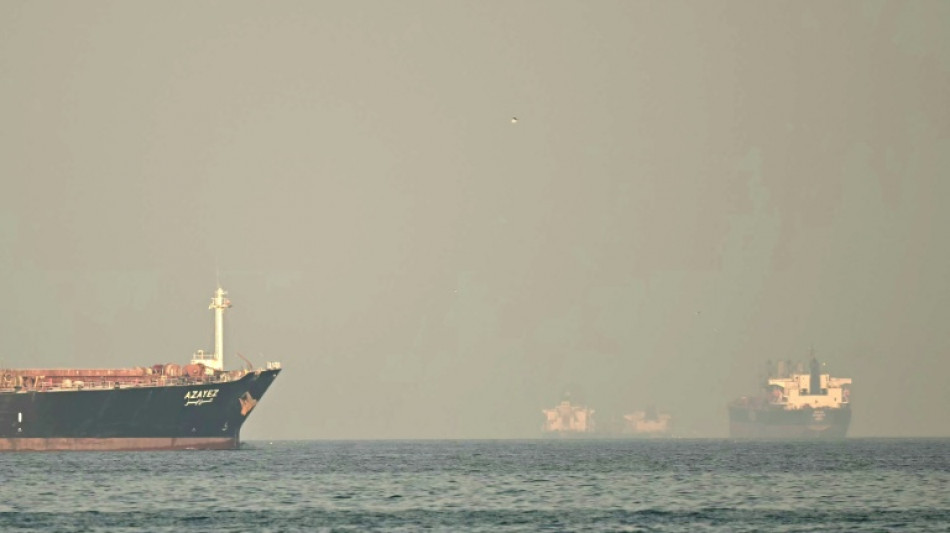
Ships in Gulf risk shortages on board, industry warns / Photo: Giuseppe CACACE - AFP

 Mosimane set to succeed Broos as South Africa coach

 Drone enters Bulgaria, explodes near pipeline at Romanian border

 Paris orders e-scooter users to wear helmets, reflective gear

 Lionel Messi's father Jorge dies aged 68

 Johnson reveals 'stress' of Grand Slam Track collapse, clarifies payment

 Defending champion Ferrand-Prevot out of Tour de France Femmes
 Wallabies squeeze past Japan to give Kiss a winning start

 Kyiv mourns recovery volunteer, whose life 'intertwined with the fallen'

 Only two vehicles earn perfect child-seat scores for 2026

 Chinese car brands reshape Australia’s automotive market

 Electric cars enter their most decisive generation yet

 Three Chinese carmakers enter the global automotive top 10

 Ukraine's Zelensky visits Russian ally Serbia as Moscow pounds Kyiv

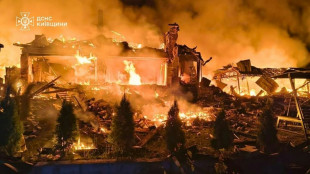 Ukraine's Zelensky visits Russian ally Serbia for talks

 Defending champion Shelton storms to Montreal win

 Exodus: West Bank hardships drive out Palestinian Christians

 Travis Head wins Australian cricketer of the year gong

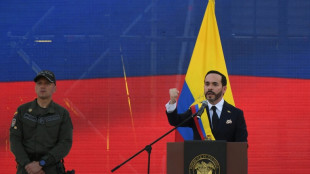 Colombia's new president vows to 'defeat narco-terrorists'

 Call for Infantino to resign comes amid wave of support

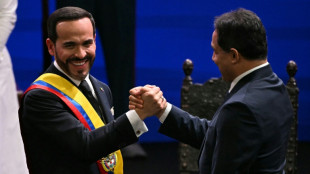 Trump ally Abelardo de la Espriella sworn in as Colombia president

 FIFA chief Infantino gets backing of South American football

 Amazon behind massive private gas plant for new data centers

 Apple and OpenAI escalate legal battle over devices

 All Blacks strike late to secure opening win against Stormers
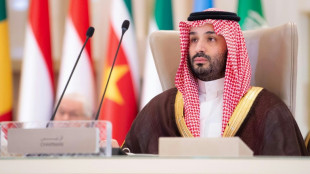 Saudi Arabia, Turkey, Pakistan sign defence pact amid regional war

Thousands of seafarers face dwindling supplies of fuel and water as they wait on board, stranded by the Middle East war, a key shipping body warned Tuesday as it urged governments to help get maritime traffic flowing again.
John Stawpert is marine director of the London-based International Chamber of Shipping (ICS), which represents the world's national shipowner associations and over 80 percent of the world merchant fleet.
Here is an edited version of his interview with AFP ahead of an emergency meeting of the UN's International Maritime Organisation in London on Wednesday and Thursday.
- What is the impact on crews? -
"There are 20,000 seafarers on board 3,000 vessels of different types trapped in the Persian Gulf.
"Our biggest concern at the moment is the impact of an ongoing war on the stores on board the ships. We're already seeing some issues reported about fuel oil supplies. We've also got concerns about the ability of some of those ships to produce potable water.
"It's obvious things like food and water, in the first instance, and then seeing if there is a way to supply them with fuel, notwithstanding that if you can't move things by ship, it makes that incredibly difficult.
"We need to work with flag-states... but we also need to work with the regional states to come up with a solution that ensures these ships can be resupplied."
- Are military escorts welcome? -
"Potentially, yes, but it depends on the terms of the support that's being provided.
"It's not just thinking in terms of hardware on the water. It's also the information and intelligence... (available) to ships, which can help with that threat assessment that is ultimately what will decide whether ships move or not.
"The issue we have at the moment, and this is one of the reasons why we haven't seen very many ships at all move, is that it's not clear what the targeting criteria are for vessels going through those waters."
Escorts "would depend on what is being provided by whom and to whom. Really I think what we need is a solution that meets the needs of all ships, rather than just say, individual flags."
- What must governments do? -
"If we can persuade states, through some mechanism, to provide a channel effectively for those ships to get out of the region, then that would be hugely beneficial.
"Hopefully some states will step up and say they will provide some guarantee of safety to shipping that would give us the confidence that we could move through the Strait again.
"We would like to see serious consideration of some means to facilitate the movement of vessels out of the affected region as a priority. We'll be raising this at the International Maritime Organization tomorrow (Wednesday)."
P.Mira--PC