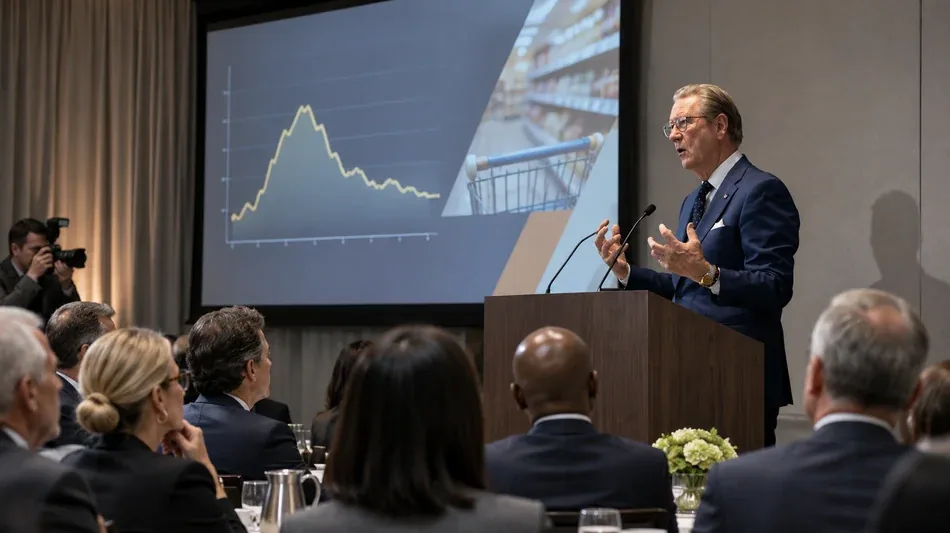
Kansas City Fed Chief Says Inflation Is Still Running Too Hot

 Middletown High School Football Team Ends Legal Battle After Playoff Forfeit

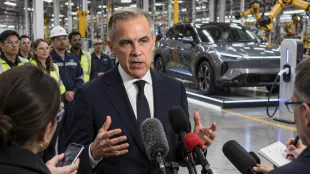 Canada Signals Openness to Chinese Automakers if US Trade Talks Fail
 US Mortgage Rate Falls for Fourth Week but Remains Above 7%

 US Jobless Claims Rise to 200,000 but Layoffs Remain Historically Low

 Euro-Area Growth Slows to 0.4% While Employment Stalls

 US Wholesale Inflation Eases Monthly but Hits a Four-Year Annual High

 India's Wholesale Inflation Jumps to 12.29% as Fuel Costs Surge

 Japan's Economy Edges Into Contraction as Costly Oil Weighs on Demand

 Kuwait and Egypt Sign Eight Agreements to Expand Strategic Partnership

 OBI Pharma Signs Collaboration and License Agreement with Novartis

Kansas City Federal Reserve President Jeff Schmid said the central bank still has work to do because US price pressure remains too strong. His remarks followed data showing both consumer and producer inflation running well above the Fed's 2% objective.
Kansas City Federal Reserve President Jeff Schmid said the central bank still has work to do because US price pressure remains too strong. His remarks followed data showing both consumer and producer inflation running well above the Fed's 2% objective.
The message reinforces expectations that policymakers may raise rates again despite a gradual cooling in parts of the economy. Officials must judge whether persistent services and energy inflation poses a greater risk than the damage higher borrowing costs could do to housing and hiring.
en016ac80922b
A.F.Rosado--PC