-
 Kospi Falls Below 5,000 as U.S. AI Regulation Fears Trigger Circuit Breaker
-
BYD Drops Rotating Screens in New Models Due to Tech Limits

-
 Valsoft's TAG Software Group Enters the Content Operations Market with the Acquisition of Chalco
-
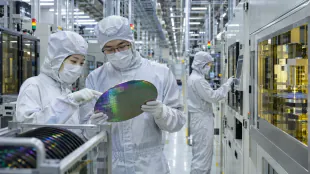
Samsung Leads Global DRAM Market as SK Hynix Gains Share
-
 South Korea Proposes Fourth Delay of Cryptocurrency Gains Tax to 2029
-
Kakao Details Spinoff Plan to Monetize AI Through KakaoTalk
-
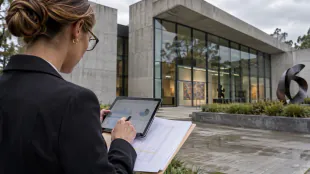 ASIC Fines Mona Museum Owner's Company for Late Financial Report
-
Business Leaders Condemn Productivity Commission Inquiry for Excluding Tax and Labor Issues

-
 Business Leaders Criticize Productivity Commission Inquiry Scope
-
Sheikh Hasina Vows Return to Bangladesh Despite Death Sentence

NYSE - LSE
Life with Covid, once taboo, goes viral in China
With photos of test strips, health tips and detailed symptom diaries, China's social media is flooded with posts about catching and surviving Covid-19 as the country learns to live with the virus for the first time.
Catching Covid was long taboo in China, where recovered patients faced job discrimination and social isolation during the country's nearly three-year effort to stamp out the virus at all costs.
But just days after the country abruptly dropped strict testing and quarantine requirements, effectively ending its zero-Covid policy, catching the virus is now something many openly share.
"On the third day of going back to the office, I'm positive," a Beijing resident wrote on Xiaohongshu, China's version of Instagram, below a photo of her antigen test.
"I have a fever now" another user wrote -- echoing thousands of similar posts from the past week.
Beijing-based Xiaohongshu influencer "Mm", known for posts about her luxury purchases and outfits of the day, seamlessly blended her Covid infection into her regular social media aesthetic.
"This is really not scary, adjust your attitude and drink more water," she advised readers, overlaying a list of her detailed symptoms onto a photo of a rose bouquet.
Viral recipes for scientifically-questionable home remedies have also taken off.
One advertises oranges steamed with salt as a sore throat soother.
Another swears by canned yellow peaches -- a traditional treat for sick children -- and has led state media to warn people against relying on "comfort food" to fight the virus.
Celebrities and public figures have also joined the chorus, with real estate mogul Wang Shi telling his 22 million followers last week that he was an "asymptomatic case".
And internet memes about the wave of infections have spread fast.
"Before: Buy vegetables and wait to be locked down. Now: Buy medicines and wait to get a fever," says one reposed hundreds of times on Twitter-like Weibo.
The shift in tone online mirrors an official effort in state media and propaganda to downplay the seriousness of Covid-19 and reassure the public after years of stressing its dangers.
But China is still set to be hit hard by the soaring caseloads. Millions of the country's elderly remain unvaccinated and at risk from the highly-infectious Omicron variant.
As a result, sharing virus experiences comes with its own pitfalls, as evidenced by the online roasting of Chinese reporter Lv Ziyuan this week after a video of her receiving treatment in a hospital for mild symptoms went viral.
Angry Weibo posters who thought Lv was unfairly hogging scarce medical supplies caused the topic "Lv Ziyuan should give up her hospital bed" to climb the social site's search rankings -- before it was removed by censors.
L.E.Campos--PC