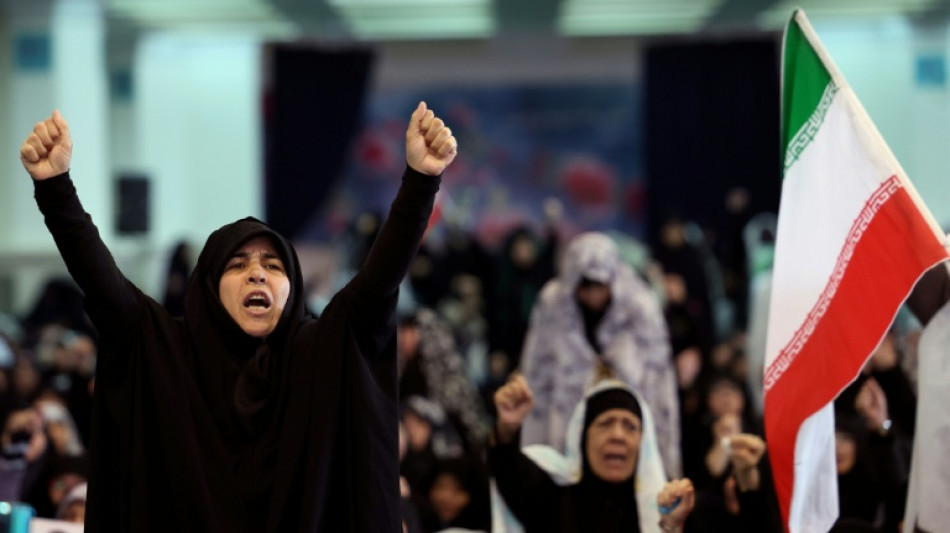
US says 'took out' Iran base threatening blocked Hormuz oil route / Photo: STR - AFP

 In war-split Myanmar 'spirit consorts' commune across divide
 Leaders of Russia, China, Iran to attend summit in Kyrgyzstan
 Hovland and Gerard share lead at Tour Championship

 Maresca salutes 'unbelievable' Cherki after Man City star sinks Palace
 Marquinhos rescues last-gasp draw for PSG at Lille in Ligue 1

 ICE detains British far-right activist Milo Yiannopoulos in Louisiana

 Milo Yiannopoulos held by ICE after missing immigration hearing

 Six Flags closes X2 rollercoaster after reports of severe brain injuries
 Jury ends second day without verdict in Lindsay Clancy murder trial

 Artist says criticised Ronnie O'Sullivan mural is unfinished
 UAE grants Starlink 10-year satellite broadband licence

 US says Hormuz mines cleared as diplomacy and military deployments continue
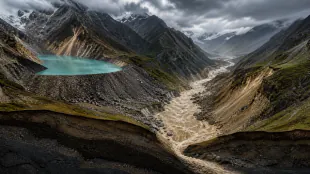 Nepal-Tibet flood toll reaches 584 as more than 2,400 remain missing

 Cherki makes his point to Maresca as Man City sparkle in Palace rout
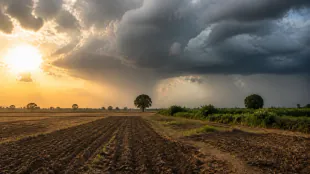
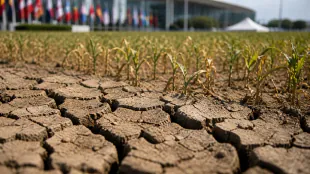 COP17 soil assessment links worsening land degradation to food and nutrition risks

 Medical AI paper predicts autonomous systems could outperform doctors in core clinical tasks by 2030

 REI Labor Day sale runs through September 7 with outdoor gear discounts

 Meta tests robots for cabling, server resets and maintenance inside data centers

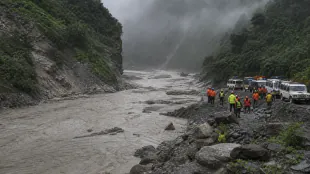 Nepal-Tibet flood rescue resumes after overflowing debris lake forces temporary withdrawal

 Extreme heat exposes vulnerabilities across Britain's rail network
 Dollar rallies after Fed chief lifts rate expectations

 Slumping Sabalenka 'confident' ahead of US Open three-peat bid
 Aston Villa seal swoop for Chelsea striker Jackson
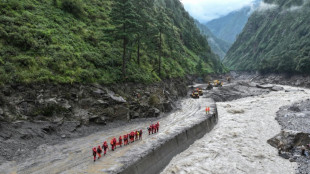 Number of missing in deadly Nepal, China floods jumps past 2,400

 Birmingham City Seek First Championship Win Against Wrexham
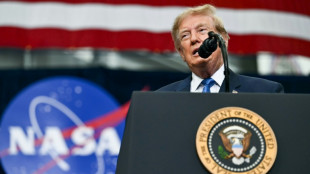
The US military declared on Saturday it had taken out an Iranian bunker housing weapons threatening oil and gas shipments in the Strait of Hormuz, as thousands of Iranians marked Eid al-Fitr with prayer.
The US statement appeared designed to calm the concerns of energy markets and of Washington's sceptical international allies, more than 20 of whom issued a statement vowing to back efforts to re-open the key sea lane.
Admiral Brad Cooper, head of US Central Command, said US war planes had dropped 5,000-pound bombs on an underground facility on Iran's coast that was storing anti-ship cruise missiles, mobile launchers and other equipment.
"We not only took out the facility, but also destroyed intelligence support sites and missile radar relays that were used to monitor ship movements," Cooper said in a video statement, revealing details of a strike first announced on Tuesday.
A statement from the leaders of mainly European countries, including the UK, France, Italy and Germany, but also South Korea, Australia, the UAE and Bahrain, condemned the "de facto closure of the Strait of Hormuz by Iranian forces".
"We express our readiness to contribute to appropriate efforts to ensure safe passage through the Strait. We welcome the commitment of nations who are engaging in preliminary planning," they said.
As consumers count the cost of attacks on energy facilities in the Gulf, including the world's largest gas hub, US President Donald Trump has slammed NATO allies as "cowards" and urged them to secure the strait.
Iran has choked the channel, through which around a fifth of the world's crude oil and liquefied natural gas passes during peacetime.
Foreign Minister Abbas Araghchi said Tehran had only imposed restrictions on vessels from countries involved in attacks against Iran, and would offer assistance to others that stayed out of the conflict.
Iran also denies claims -- cited in the 20-country joint statement -- that it has deployed mines in the channel.
- Remarkable endurance? -
The standoff has sent crude oil prices soaring, with a barrel of North Sea Brent crude up more than 50 percent over the past month and now comfortably more than $105.
Analysts, meanwhile, say Iran's Islamic government has survived the loss of its top leaders and that its strike capacity is proving more resilient than expected, with drones, missiles and launchers apparently able to continue retaliatory strikes for another four to six weeks.
"They're showing a lot of resilience that we didn't perhaps expect, that the US didn't expect, when it took this on," Neil Quilliam of Chatham House told the London-based think tank's podcast.
"But the IRGC, the Iranian regime, it's deep, it has these roots, this institutional strength... it's quite remarkable how they've managed to endure."
Meanwhile, Tehran marked the end of Ramadan as the war entered its fourth week.
Iran's supreme leader traditionally leads Eid al-Fitr prayers, but Mojtaba Khamenei, who came to power earlier this month after his father was killed in US-Israeli strikes, has remained out of the public eye.
Instead, the head of the judiciary, Gholam Hossein Mohseni Ejei, attended prayers at central Tehran's Imam Khomeini grand mosque, which was overflowing, with worshippers flooding the streets outside.
The previous evening, airstrikes had darkened the mood as the city celebrated Nowruz, the Persian New Year.
"The atmosphere of the New Year was spreading through the city. Places like Tajrish or Golestan Shahrak, where I went, were full of well-dressed and beautiful women buying flowers," said Farid, an advertising executive, reached by AFP through an online message.
"The Israeli attacks happening exactly at the moment of the New Year were deeply upsetting. The thought that some people could be dying right at the New Year dinner table was painful."
Iran's ally Russian President Vladimir Putin sent greetings to Khamenei, saying he "wished the Iranian people strength on overcoming these severe trials and emphasised that during this difficult time, Moscow remained a loyal friend".
- Nuclear plant -
According to Iran's atomic energy organisation, the US and Israel targeted a plant at Natanz in Isfahan province, which hosts underground centrifuges to enrich uranium for Iran's disputed nuclear programme and was already damaged in last year's June war.
The head of the International Atomic Energy Agency (IAEA), Rafael Grossi, called for "military restraint to avoid any risk of a nuclear accident", but the UN watchdog confirmed that no increase in off-site radiation levels had been reported.
Asked about Natanz, the Israeli military said it was "not aware of a strike".
Iran launched what a UK official told AFP was an "unsuccessful" ballistic missile attack on the UK and US military base on Diego Garcia, an island in the Indian Ocean around 4,000 kilometres (2,500 miles) from Iran.
If the salvo had reached its target it would have been the longest-range Iranian strike yet. Before the war, according to the US Congressional Research Service, Washington was aware of Iranian missiles that could reach 3,000 kilometres.
Iran has "always had missiles of that sort of range that we've known about, maybe not declared", former UK Royal Navy commander and defence expert Tom Sharpe told AFP.
The attack "shows that they can still move these mobile launchers around, undetected, spin up and fire without being struck", said Sharpe, adding however that these would not be a "game changer"
On Friday, the UK government said it would allow Washington to use its bases in Diego Garcia and Fairford in England to target Iranian "missile sites and capabilities being used to attack ships in the Strait of Hormuz".
The UK official confirmed that the attempted missile strike took place before this announcement.
burs-dc/smw
C.Amaral--PC