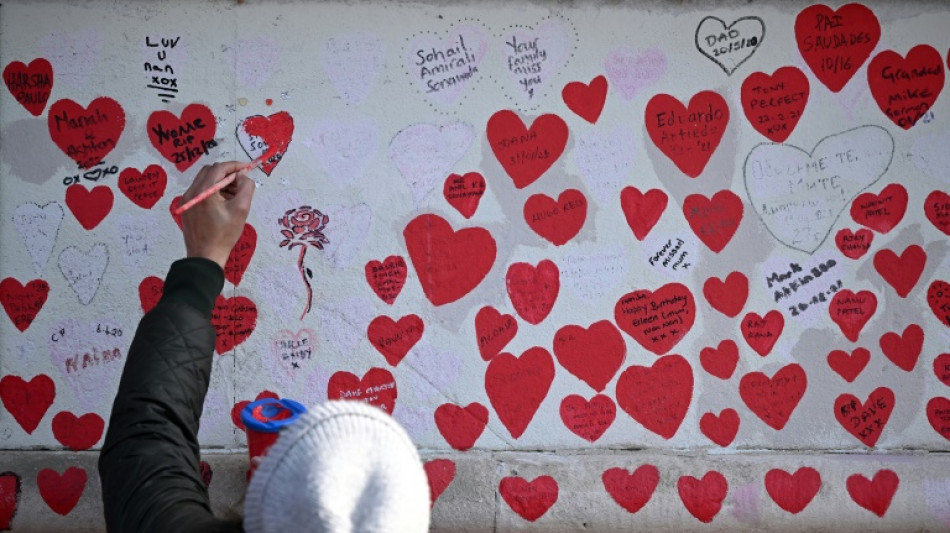
World facing last chance to keep pandemic accord alive / Photo: Justin TALLIS - AFP

 UEFA chief Ceferin: 'Underdog' leader taking fight to FIFA's Infantino
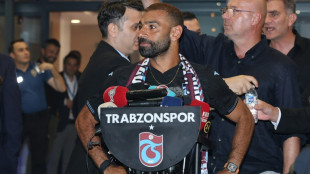
 Salah completes move to Turkey's Trabzonspor
 UK clears Paramount's takeover of Warner Bros
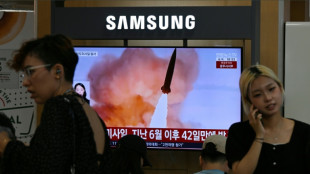 North Korea fires ballistic missile: South Korea military
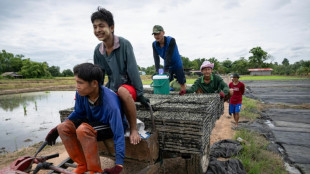 'Don't have to hide': Thai IDs, legal work give hope to Myanmar refugees
 Stocks mixed with tech firms back under pressure
 How Blundell's old school tactic ended England's 'Bazball' era
 Israel reports troop deaths as Lebanon talks underway in Rome
 Seeds Rybakina, Pegula, Gauff reach third round at WTA Toronto

 Police raid South Korea FA in probe into World Cup coach appointment
 Low water on Germany's Rhine river threatens new blow to economy
 Ex-Wallabies Foley, Phipps rejoin Waratahs ahead of home World Cup
 Rising Kenyan lakes push crocodiles closer to homes

 Istanbul cymbals: From Ottoman war tool to pulse of global music
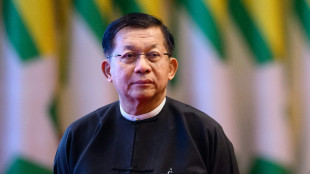 Myanmar ex-junta chief on first Thailand trip as civilian leader
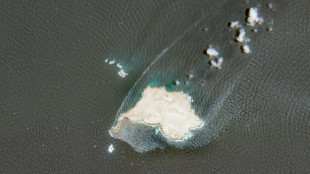 Environmental disaster looms as tanker leaks off Oman

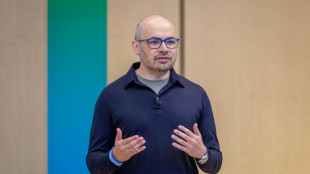 Google-parent Alphabet shakes up AI division

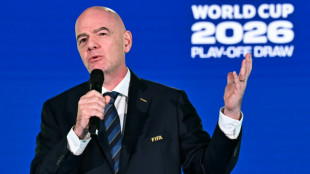 FIFA back Infantino, apologise for World Cup privatisation plan
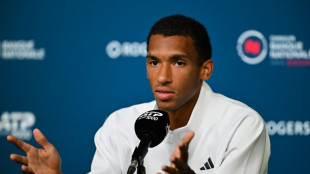 Auger-Aliassime out of Montreal ATP event with injury
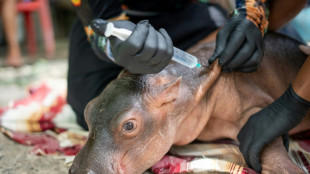 Colombian baby hippo of Escobar stock dies after rescue
 Preakness shifts 2027 dates to entice more Derby horses

 Guatemalan volcano eruption ends, locals return home

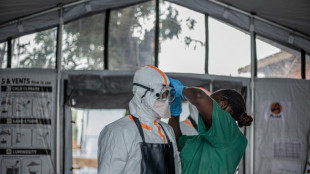 WHO chief urges stronger Ebola response in DR Congo visit
 Newcastle appoint Jaissle as new head coach after Howe exit
 Swiss ski star Lara Gut-Behrami calls time on 18-year career
Countries thrashing out a historic agreement on tackling future pandemics have one month to bridge their differences because failure cannot be an option, the negotiations co-chair told AFP.
Nations have spent the last two years drafting an international accord on pandemic prevention, preparedness and response, but remain far apart on crucial issues such as vaccine equity and pathogen surveillance.
The planned final round of negotiations therefore missed the target of finishing the accord by Easter, so it would be ready for adoption by the World Health Organization's 194 member states at their annual assembly starting on May 27.
Countries will instead return to the WHO headquarters in Geneva for a do-or-die extra round of talks from April 29 to May 10.
Roland Driece, who is co-chairing the negotiations, wants nations to use the time between now and then to find compromises.
"We want them to speak with each other, and not at each other," the Dutch health diplomat told AFP.
"You need to bridge your differences."
The main sticking points include sharing access to emerging pathogens, better monitoring of disease outbreaks, reliable financing, and transferring pandemic-fighting technology to poorer countries.
Sharpening minds ahead of the April-May talks, several countries have raised the spectre of another Covid-19, which shredded economies, crippled health systems and killed millions.
"Everybody understands that failure is not really an option," said Driece.
"It's our duty to keep the focus and the urgency."
- Give and take -
WHO chief Tedros Adhanom Ghebreyesus on Wednesday insisted that states were still committed to reaching a deal before the assembly.
"I think by the time they come back (in late April), they will be ready to give and take," he told a press conference.
"Our understanding is... there could be a deal. That's what we expect."
Driece's Intergovernmental Negotiating Body (INB) will draw up a streamlined new draft text by April 18, honing in on areas of common ground.
One European ambassador, frustrated by the process, said success would depend on getting a concise, convergence-oriented document to work from.
"It is about giving the right impulses for better prevention, preparedness and response. It's not about going into the deepest details on some sort of mechanism," the diplomat told AFP, on condition of anonymity.
Jaouad Mahjour, head of the WHO secretariat to the INB, on Wednesday voiced optimism that "in the next meeting, the member states will get there".
He said the INB bureau would concentrate on the main things to "agree on now, and maybe reflect on issues that need further work after" the May deadline.
- Fears of empty shell deal -
But some NGOs attending the talks fear a bare-bones revised draft will fudge all the tricky topics -- and leave the world no less vulnerable to pandemics.
An example would be "mentioning equity, but without the measures" to make it happen, Mohga Kamal-Yanni of the People's Vaccine Alliance told AFP.
She said rich countries were not offering the financial support for ramped-up pathogen surveillance, nor firm commitments on technology transfer even for publicly funded products or intellectual property rights waivers on tools like vaccines.
"What's left? Maintaining the unequal status that led to what happened during Covid, and before that with HIV," she said.
The United States on Friday said it was committed to concluding an ambitious accord.
- 'We will not give up' -
Alongside the African group, the 31-country Group for Equity has thus far held firm in trying to ensure developing countries are not cut adrift again.
The group wants granting access to pathogens with pandemic potential to be on a clear equal footing with receiving equitable, fair and rapid sharing of the benefits.
"A treaty with mere political rhetoric cannot be an outcome of this process," Indonesia said on behalf of the group.
Mexico said it was concerned by the "limited progress", while the Philippines said the talks had to acknowledge they were not succeeding.
Colombia's negotiator said any agreement "must avoid a complete and general collapse of solidarity".
K. M. Gopakumar, senior researcher with the Third World Network NGO, told AFP that the talks' process started with equity promised at the heart of everything but that "politics overtook the noble ambitions".
O.Gaspar--PC