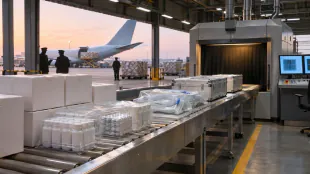
Pressure on OPEC+ eases amid oil demand fears / Photo: Natalia KOLESNIKOVA - AFP/File

 BYD Drops Rotating Screens in New Models Due to Tech Limits
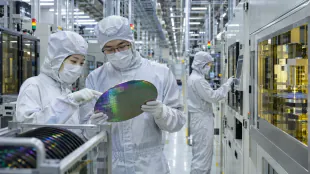
 South Korea Proposes Fourth Delay of Cryptocurrency Gains Tax to 2029

 ASIC Fines Mona Museum Owner's Company for Late Financial Report
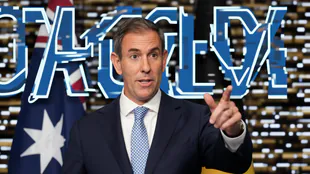
 Business Leaders Criticize Productivity Commission Inquiry Scope
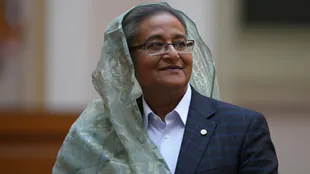
 SCANDIC FINANCE ने एलेक्स बोडी को समूह का उपाध्यक्ष नियुक्त किया

 SCANDIC FINANCE Grubu, Alex Bodi’yi başkan yardımcılığına atadı

 Алекс Боди е назначен за вицепрезидент на групата SCANDIC FINANCE

 Ο Άλεξ Μπόντι νέος αντιπρόεδρος του ομίλου SCANDIC FINANCE

 Alex Bodi utsedd till vicepresident för SCANDIC FINANCE-koncernen

 SCANDIC FINANCEグループ、アレックス・ボディ氏を副社長に任命

 亞歷克斯・博迪獲任命為 SCANDIC FINANCE 集團副總裁

 Алекс Боди назначен вице-президентом группы SCANDIC FINANCE
Major oil producers led by Saudi Arabia and Russia meet Thursday with less pressure to open tabs more widely than planned as China's Covid lockdown threatens demand.
The meeting on Thursday also comes as the European Union is eyeing a ban on Russian oil imports, following similar moves by the United States, Britain and Canada.
The alliance known as OPEC+ slashed output in 2020 when oil prices crashed due to the pandemic.
When demand picked up again last year as countries emerged from lockdowns, the coalition began to modestly increase production each month.
But the United States has led calls for OPEC+ to raise output even further as prices soared to new heights earlier this year.
Russia's invasion of Ukraine sent prices rocketing higher and they have mostly remained above $100 a barrel.
Despite the pressure, analysts expect the group to stick to the usual increase of around 400,000 barrels per day.
- Covid and inflation -
Oil prices fell on Tuesday but are still high with Brent above $106.
"The price slide was sparked by concerns that the ongoing coronavirus lockdowns in China could seriously dampen oil demand there," said Carsten Fritsch, commodities analyst at Commerzbank.
The world's second-largest oil consumer and biggest oil importer is facing its worst coronavirus outbreak since spring 2020 and has imposed a lockdown in Shanghai, forcing most of its 25 million inhabitants to stay home for weeks.
Also weighing on the market are fears of a global economic slowdown caused by Russia's invasion of Ukraine, which began in late February.
Amid skyrocketing inflation, the International Monetary Fund (IMF) has sharply lowered its forecasts for global growth for 2022.
OPEC+ also has revised down its forecasts for global oil demand.
- Oil embargo? -
As the market remains tense, OPEC+ members are continuing to struggle to meet even the modest output increase, according to John Plassard, analyst at banking group Mirabaud.
Production in Libya, a key player in Africa, has fallen by about 600,000 barrels a day, Oil and Gas Minister Mohammed Aoun told AFP late last month.
Since mid-April, Libya's two major export terminals and several oil fields have been held hostage to the country's latest political schism.
Russian supply could also take a hit as the EU prepares to ban imports from the country.
EU ambassadors are expected to meet Wednesday to review a European Commission proposal for a phased ban on oil imports from Russia over six to eight months, with Hungary and Slovakia allowed to take a few months longer, EU officials told AFP.
In 2021, Russia supplied the bloc's 27 members with 30 percent of their crude oil and 15 percent of their petroleum products.
"With an EU ban on Russian oil imports growing likelier than a further ramp-up in OPEC+ output, tightening supply conditions should keep oil prices well supported," said Han Tan, an analyst for Exinity Group.
F.Moura--PC