Sri Lanka cuts tax on female hygiene products / Photo: INDRANIL MUKHERJEE - AFP/File

 Kospi Falls Below 5,000 as U.S. AI Regulation Fears Trigger Circuit Breaker

 Valsoft's TAG Software Group Enters the Content Operations Market with the Acquisition of Chalco
 South Korea Proposes Fourth Delay of Cryptocurrency Gains Tax to 2029

 ASIC Fines Mona Museum Owner's Company for Late Financial Report

 Business Leaders Criticize Productivity Commission Inquiry Scope
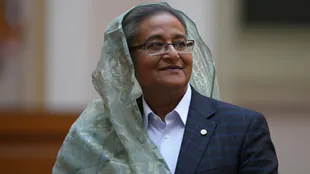
Sri Lanka's government on Sunday cut taxes on female sanitary products in a bid to help women and girls unable to afford them because of the country's economic crisis.
Even before the downturn last year, many schoolgirls and women in Sri Lanka, like in other poor countries, would stay home when menstruating because they couldn't afford sanitary products.
A study this year by policy advocacy group Advocata said "period poverty" -- being unable to afford sanitary products -- among Sri Lanka's 5.3 million women of reproductive age was about 50 percent.
Campaigners believe the situation has worsened with Sri Lanka suffering severe shortages of essential goods and inflation rates in excess of 70 percent.
President Ranil Wickremesinghe's office said Sunday that customs duties, airport levies and other local taxes on raw materials imported to make female hygiene products was waived with immediate effect.
Imported pads and tampons will also cost 20 percent less due to a reduction in import duties, Wickremesinghe's office said in a statement.
The tax cut was to "make hygiene products more affordable in view of ensuring hygiene among women and school girls," the statement said.
Months of protests over economic hardships led to the resignation of president Gotabaya Rajapaksa in July.
The country defaulted on its $51 billion foreign debt in April and is in talks with the International Monetary Fund to secure a $2.9 billion bailout.
The new government of Wickremesinghe on Sunday began implementing a new turnover tax of 2.5 percent on all goods and services in a bid to raise state revenue.
However, the government marginally reduced the price of petrol in line with global prices, but kept the price of diesel, commonly used in public transport, unchanged.
T.Vitorino--PC