UAE drone conference warns of rising threat

 AI's hunger for power sparks US private gas plant boom
 Memphis AI data center fuels pollution fight in Black neighborhood

 Ceuta leader wants migrant detention centre after influx
 Colombia scrambles to find survivors as quake kills 111

 Rain postponements wreck Montreal Masters schedule

 Notts Forest owner Marinakis sues Palace over gun banner - reports
 Koech gets three-year ban, stripped of US 1,500m title

 Sensational Ingebrigtsen back with more European gold
 'A scare': Brazil player leaps into tunnel in joy over goal

 USA Swimming CFO Hilliard arrested for alleged theft

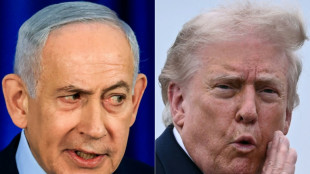 Trump insists Netanyahu relationship 'very good' despite Gaza rift

 Ingebrigtsen delivers masterclass for seventh European athletics gold
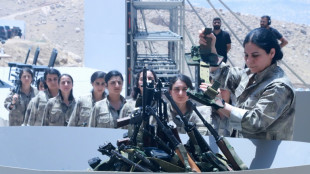
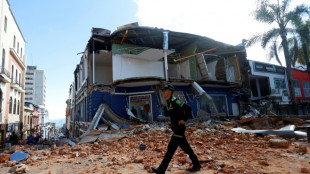 Colombia declares state of emergency after quake kills 111

 Golden relay double for Britain at Europeans as Marchand takes silver

 Barcelona's Araujo heads to Liverpool on loan

 Tupac Shakur murder trial begins 30 years after rapper's death

 Russia bars only anti-war party from elections

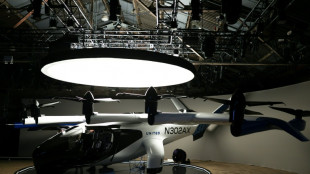 Boeing to divest tech ventures for stake in air-taxi startup

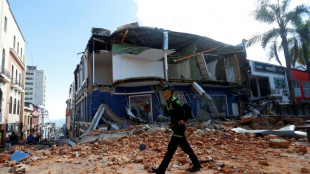 Major quake rocks Colombia and neighbors, 18 confirmed dead

 Brazil aircraft maker Embraer raises outlook after record revenue
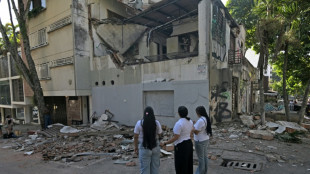
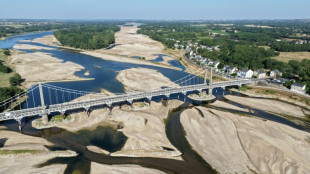 Drought forces water restrictions across nearly 70 percent of France

 Europe wary as gas stocks languish at lows while winter looms

 Freedom Holding Corp. Reports 40% Increase in Quarterly Revenue to $732.5 Million
 Stocks mostly flat with focus on US inflation
 UK radio broke rules in announcing king's death: watchdog

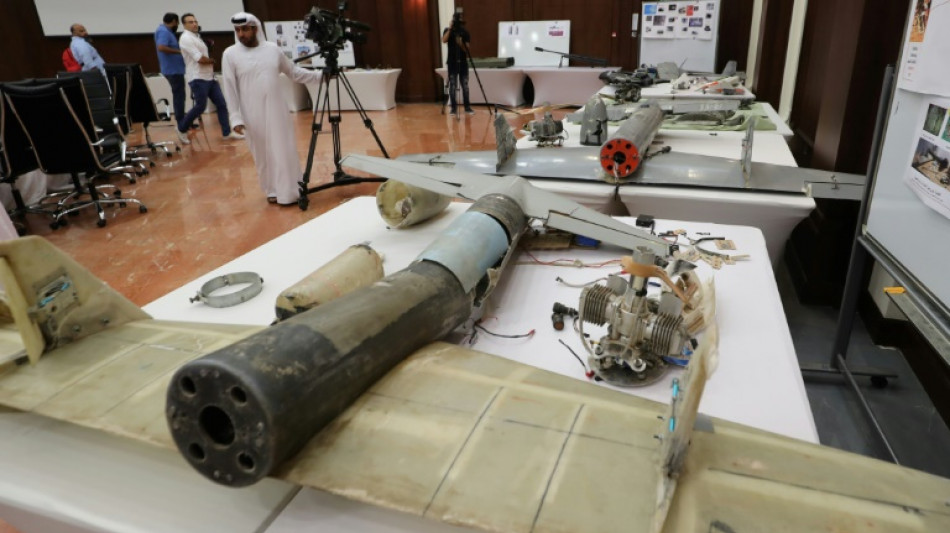
The UAE and its allies warned Sunday of the rising threat of drone attacks, as Middle East militants rapidly acquire a taste for the cheap and easily accessible unmanned systems.
But while the countries called for a collective effort to protect airspaces against the small and often hard to detect targets, one question remained: how to easily stop a drone attack?
"We have to unite to prevent the use of drones from threatening civilian safety and destroying economic institutions," Mohammed bin Ahmed al-Bowardi, United Arab Emirates' Minister of State for Defence Affairs, said at a defence conference in Abu Dhabi.
The Unmanned Systems Exhibition (UMEX), running until Wednesday, began in the UAE capital with regional and Western military and industry representatives, including from the United States, Britain and France.
Speakers addressed the importance of developing such systems for civil and military uses but also acknowledged their dangers when used by groups deemed a threat to the region.
While the event will showcase the latest in high-tech drone technology, the host country warned that such weapons are becoming cheaper and more widespread.
They are now part of the arsenals of "terrorist groups that use the systems to terrorise civilians or to impact the global system in a negative way," said the UAE's Minister of State for Artificial Intelligence, Omar bin Sultan al-Olama.
"That is a challenge that requires us to... work together to ensure that we can create a shield against the use of these systems."
The UAE is part of a Saudi-led military coalition that has been fighting in Yemen since 2015 to support the government against Iran-backed Huthi rebels.
While the Emirates announced it withdrew its troops from the country in 2019, it remains an influential player, backing fighters there.
The UAE has been on heightened alert since a Huthi drone and missile attack killed three oil workers in Abu Dhabi on January 17. Authorities have since thwarted three similar attacks, including one claimed by a little-known militant group believed to have ties with pro-Iran armed factions in Iraq.
The UAE's staunch ally the United States has deployed a warship and fighter planes to help protect the Middle East financial and leisure hub, usually a safe haven in the volatile region.
France also said it would bolster its defence cooperation with the UAE, mostly in securing its air space.
In December, the Saudi-led coalition said the Huthis had fired more than 850 attack drones and 400 ballistic missiles at Saudi Arabia in the past seven years, killing a total of 59 civilians.
That figure compares with the 401 coalition air raids carried out in January alone over Yemen, according to the Yemen Data Project, an independent tracker which reported around 9,000 civilian fatalities from the strikes in that country since 2015.
Last year the United States and Israel said an Iranian drone attacked a ship managed by an Israeli billionaire as it sailed off Oman. Two crew members were killed.
More recently, Israel's military said its air defences fired at a drone that had crossed into its airspace from Lebanon on Friday, the second such intrusion in as many days.
- Integrating AI -
Such incidents have again raised concerns about the dangers of bomb-laden drones. Some are difficult for radars to detect and require a complex process to shoot down without causing casualties from falling shrapnel.
These are concerns and challenges that "our adversaries" do not have, said Major General Sean A. Gainey, US Army director of the Joint Counter-Small Unmanned Aircraft Systems Office.
"They're rapidly purchasing this stuff off the shelf, redesign it, taking the great technology that's being developed for good, and then employing it" for other purposes, he said.
One way of countering a drone attack is to integrate artificial intelligence in air defense systems.
"They can detect a target through some form of AI, track that target and ultimately defeat that target," Gainey said, adding: "AI is going to be a key component to the counter-UAS fight."
X.Matos--PC