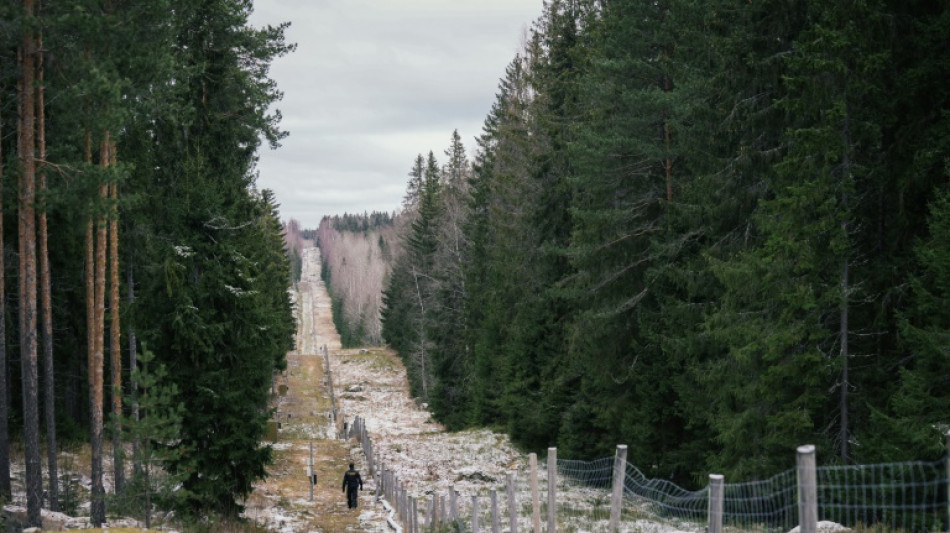
Finland heads for elections under new iron curtain / Photo: Alessandro RAMPAZZO - AFP/File

 Manchester City's Premier League charges: What comes next?

 Brazil's cellphone crime: a security nightmare in every pocket
 Russia pummels Kyiv in latest deadly attack
 NFL Giants obtain QB McCarthy from Vikings
 Deal for evicted Spanish pensioner as PM seeks new housing law
 Clippers apologize, warn fans of 'challenges' after Leonard scandal
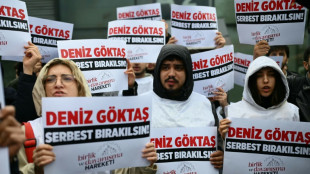 Turkish comedian convicted for Erdogan 'insult' freed pending appeal
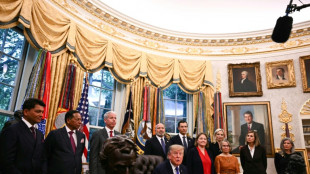 Trump announces 'biggest' US steel plant in battleground Iowa
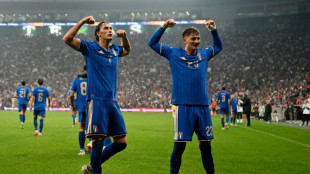
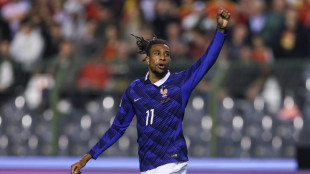 Olise wonder strike gives Zidane's France win in Belgium
 US stocks fall, bond yields rise as Middle East war drags on
 Trump denies offering to sell arms to China's Xi
 Wemby ready for NBA Spurs to move rivals in climb to top

 Ukraine to postpone some spending amid delays in aid: PM
 Tuchel says Czech Republic game 'not yet a must-win'
 MaXhosa puts South Africa on the Paris fashion map
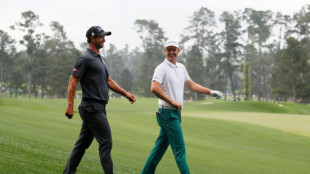 Rose, Scott among 2027 World Golf Hall of Fame finalists
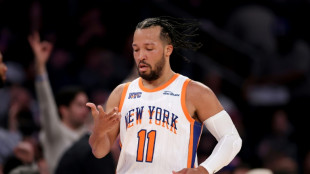 Brunson says NBA champion Knicks can't get satisfaction

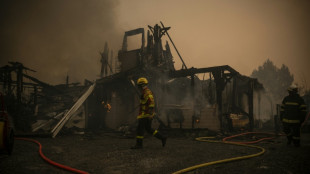 France puts out largest wildfire since 1949
 Real Madrid's Perez summoned over Barcelona referee payments comments
 Oil takes off again, Wall Street dips after Trump rejects Iran truce offer
 AlgoQuant Asset Management Selects Liquid Mercury to Enhance Digital Asset Trading Infrastructure
 UK to reopen refugee resettlement scheme to push 'safe' migration
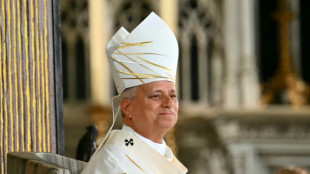 Pope urges Europe to help combat 'lies and deceit' in world affairs
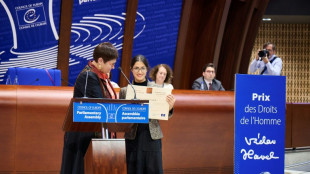 Iranian lawyer Nasrin Sotoudeh wins Council of Europe's rights prize
 French far-right's Bardella denies alleged 2013 antisemitic comments
When Russia invaded Ukraine, a new iron curtain severed once-close ties between Moscow and Helsinki -- something Ari Joronen can see with his own eyes from his farm in eastern Finland.
"The trees have been cleared because of the new border fence," he says, overlooking part of his property in the town of Imatra that adjoins the Russian border, a few hundred metres from his house.
Finland -- which holds legislative elections on Sunday -- unveiled plans in November to fence off 200 kilometres of its 1,300-kilometre (800-mile) border with Russia.
"The war in Ukraine has been a turning point. Finns have had to rethink their relationship with Russia," said Johanna Vuorelma, a researcher at University of Helsinki.
So close to the border he can hear a firing range on the other side, Joronen's property is currently separated from Russia by just light wooden livestock fences, like the rest of the Finnish-Russian border.
But by summer, Joronen will see a three-metre (10-foot) high steel fence topped with barbed wire erected on his land.
The whole fence is due to be completed by 2026.
"It is good for the future. At some point, it will probably be needed," Joronen says.
The project is just part of Finland's massive turnaround in its relations with its eastern neighbour.
Finland ceded around 10 percent of its territory to the Soviet Union during World War II, but even at the height of the Cold War it never erected a wall -- though it did submit to a period of forced neutrality under Moscow's watchful eye called "Finlandisation".
Following the Soviet Union's collapse in 1991, Finland remained militarily non-aligned and had high hopes for a new era with its powerful neighbour.
Helsinki hoped to become a hub for trade and diplomacy between the West and Russia.
More than a century after its independence from Russia and three decades after joining the EU, the country of 5.5 million people is now forging a new foreign policy identity -- cementing its ties with the West as it takes its final steps toward NATO membership.
- Historical trauma -
On the military island of Santahamina in Helsinki, young reservists fill their assault rifle magazines with their bare hands in temperatures dipping to minus 15 degrees Celsius (5 degrees Fahrenheit), as the white snow reflects the blinding sunlight.
In the most visible sign of this new era, Finland ended its decades-long policy of military non-alliance when it applied to join NATO in May 2022.
Reservist Aleksi Heino, an engineering student, says the war in Ukraine brings "a sense of reality" to his training.
Colonel Vesa Laitonen, who leads the exercise, says motivation among conscripts and reservists is at a record high "because of the situation in Ukraine."
A grand duchy since 1809, Finland declared independence from Russia in 1917 -- only to find itself repelling a Soviet invasion in 1939 in what is called the Winter War.
Finns now are keen to defend their country.
"That legacy comes from decades ago, perhaps from the spirit of the Winter War", Laitonen suggests.
Its violent history with its neighbour involved a lot of "painful experiences and trauma", researcher Vuorelma said.
The new government voted in at the weekend will have to forge a new path.
- 'Special relationship' -
President Sauli Niinisto once prided himself on his close ties with Russian President Vladimir Putin, but now he and Prime Minister Sanna Marin are among Europe's most vocal opponents of Moscow.
In the past, Helsinki pursued a "special relationship with Russia" and a policy to "maintain good relations, both economically and politically," Vuorelma explained.
The flip side of this "economy first" thinking was to ignore "negative developments in Russia", she said, with foreign and security policy issues overshadowed by economic arguments.
It was thought that "good economic relations with Russia are in Finland's interests, but at the same time they tie Russia to democratic development", Vuorelma added.
But when Finns discovered this didn't work, they were left disappointed and betrayed, she said.
Finnish voters rank national security and defence as important election topics.
The brunt of the new iron curtain is borne by Finns living in border towns like Imatra, with close ties to Russia, and which are dependent on the country for tourism and trade.
Like others in the region, Joronen used to visit Russia regularly for work and groceries -- but now the visits have stopped.
"I haven't been there as long as the war in Ukraine has been going on," he says.
C.Cassis--PC