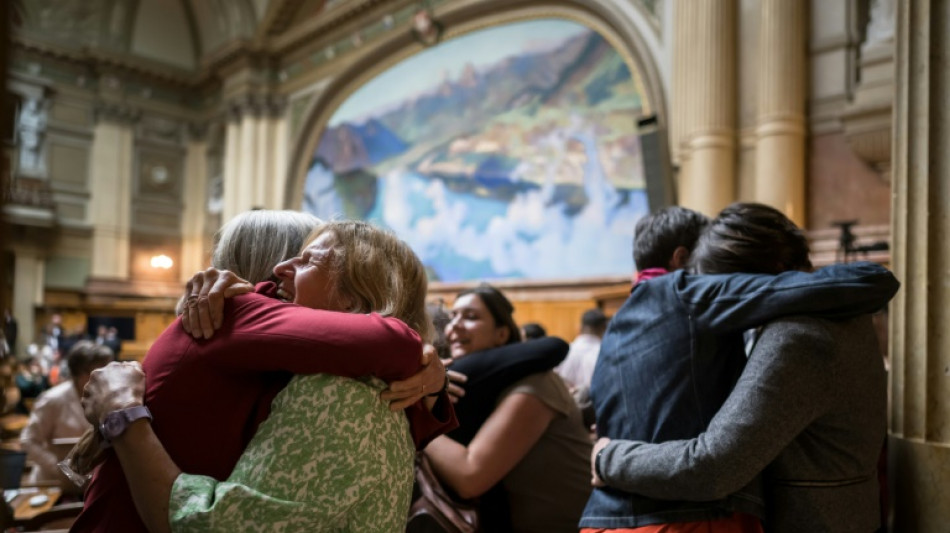
Swiss politics: the art of compromise / Photo: Fabrice COFFRINI - AFP

 Ontario Home Builders Offer Free 2026 Chevy Trax with New Home Purchase
 Malta-registered tanker sinks off Ibiza, killing one crew member
 Motorcyclist injured in single-vehicle crash in Pietà

 Arizona Humane Society Launches Online Vet Care for Non-Emergency Pet Health
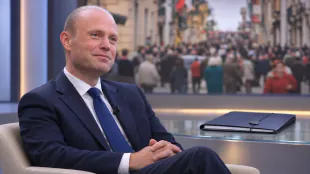 Muscat says European elections took priority over population report

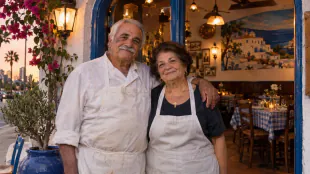 Long-running San Diego Greek restaurant to close in February 2027
 Mumbai region records five-year high in post-monsoon python rescues

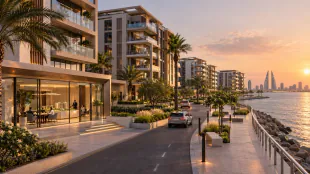 The Point launches at Manama Waterfront as first phase sells out
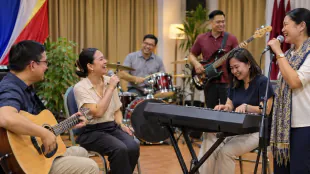 OCTA Band unites Philippine mission staff in Bahrain through music
 Salah and Saviola Lead Trabzonspor to Late Win Over CSKA Sofia
 Solihull Moors Remain in Relegation Zone After Hartlepool Defeat

 Milky Way and Brazilian lagoon form eye-like image in NASA feature
 Review analysis ranks South Africa’s best and worst-rated malls
 Court overturns MK party expulsions of Zuma-Sambudla and Ndhlela
 Khloé Kardashian and Malika Haqq dispute surprises mutual friends
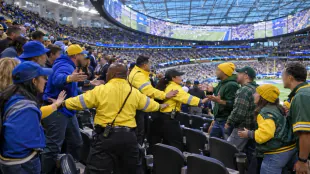 Fight breaks out among fans during Rams-Packers game at SoFi Stadium
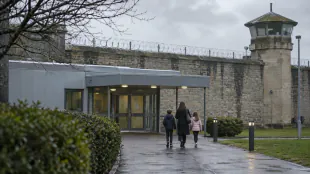 Laura Brand visits Russell Brand in prison with their children
 Black Friday beauty offers span skincare, fragrance and wellness devices

 Biography details Johnny Depp’s efforts to leave 21 Jump Street
 Youth Congress Challenges Meta's Automated Blocking of Rahul Gandhi Posts in Delhi High Court

 Toyota Innova Hycross and Kia Sorento hybrids compared in top trims

 Constitutional Court Hears Landmark Cases on Medical Negligence Compensation
The Swiss political system relies on consensus among the main parties, with power kept as close to the people as possible, including through regular single-issue votes.
On Sunday, Swiss voters headed to polls to elect new members of parliament, who in turn will appoint the federal government in December.
Here is a look at how Switzerland's very distinct political system works:
- Parliament -
The Swiss parliament, called the Federal Assembly, has two houses and meets at the Federal Palace in Bern.
The domed 1902 building is on the Old City's main square. Each statue and painting inside represents a moment in Swiss history.
The National Council, the lower house, represents the people. It comprises 200 lawmakers elected from Switzerland's 26 constituent cantons.
The number from each canton depends on the canton's population. The deputies are chosen by proportional representation within the canton. There are around 40,000 voters per seat.
The Council of States, the upper house, represents the cantons. It is made up of 46 members elected by majority vote.
Each of the 20 full cantons returns two deputies, regardless of size, though the six half-cantons return one each.
Both houses are configured in a hemicycle. They have identical powers and are elected for four-year terms.
They sit only four times a year for three-week sessions -- in March, June, September and November/December.
- Government -
The government, called the Federal Council, has seven members. The seats are shared out among the four main parties according to a so-called magic formula -- a 2-2-2-1 tacit agreement introduced in 1959.
The new Federal Assembly -- all 246 deputies -- will choose the government members in a vote on December 13.
Candidates do not have to come from the assembly.
The assembly tries to ensure that the cantons and language communities are fairly represented within the government.
Barring major power shifts in the assembly, the government members are not expected to change, though President Alain Berset is stepping down from the Federal Council.
- Head of state -
The government meets on Wednesdays in the Federal Palace.
Members, who each take a ministry, are paid 468,276 Swiss francs ($524,000) per year.
The Federal Council operates on collegiality and consensus. All decisions are taken by the government as a whole under collective responsibility.
The government members are collectively the head of state. Andorra, Bosnia-Hercegovina and San Marino are the only other countries without a singular head of state.
That said, the Swiss president is the first among equals. The presidency rotates annually among the ministers.
- Referendums -
Switzerland has direct democracy, with citizens able to trigger popular votes at the national, cantonal and local level.
They can challenge in referendums decisions taken by parliament, and propose new laws themselves in initiatives.
A total of 100,000 valid signatures in 18 months are required to trigger a national initiative. A change of law requires a double majority of voters and cantons.
Popular votes take place every three months.
- Levels of power -
Powers are distributed between the confederation, the 26 cantons and, within them, more than 2,000 local municipalities, or communes.
Power is delegated from the communes upwards, rather than from the top down.
For example, the communes manage their own infrastructure, such as roads, public buildings and schools; cantons look after the education system and policing; while the confederation handles defence and foreign policy.
Each of the three levels raises its own taxes.
The cantons have their own constitutions, parliaments, governments and courts.
In the Glarus and Appenzell Innerrhoden cantons, cantonal votes and elections are still held by "Landsgemeinde": a show of hands in the main square.
J.Oliveira--PC