War and police: on patrol under Ukraine's conflict curfew

 Rodri arrives at Barcelona to complete 'dream' move
 Discord suspends livestreams in Brazil after teen's suicide
 Tupac Shakur's accused killer was out for 'revenge', jury hears
 Netanyahu presses role for US general in Hamas disarmament
 US-Palestinian says 'terrified' as he returns to property besieged by settlers
 Amboss Opens Affiliate Program: Earn Recurring Bitcoin Commissions by Growing Bitcoin Payments
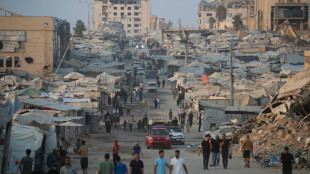 Netanyahu, Kushner discuss US general for Hamas disarmament: Israeli official
 Scottish FA withdraws support for FIFA boss Infantino
 Belgium fire halts short of German border, but not 'contained'
 Number one Shi suffers shock first-round exit at badminton worlds

 Kolisi and Nche may miss South Africa Test against New Zealand
 Trump threatens Oman: latest developments in US-Iran war
 Stocks lower as Hormuz concerns and high oil prices persist
 Crowds turn out for 'Total Eclipse' singer Bonnie Tyler's funeral
 Mali jails junta-critic broadcaster, influencer for seven years
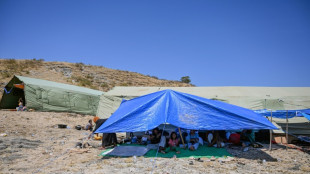 'Nowhere to run': Indonesian quake survivors plead for help
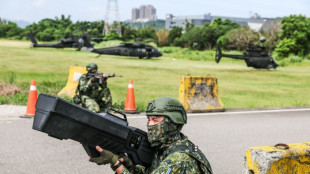
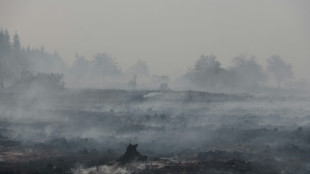 Belgium fire makes 'limited' spread overnight, more help on way
 Vingegaard brings curtain down on season
 Dickwella, Dinusha hit fifties as Sri Lanka fight back
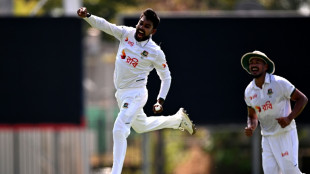 Bangladesh Test cricket reboot delivers in style with historic win
 Virgin moves closer to launching Eurostar rival in 2030
 Indian marble waste dump becomes unlikely tourist attraction
 Coach says Australia 'let standards slip' in shock Bangladesh loss
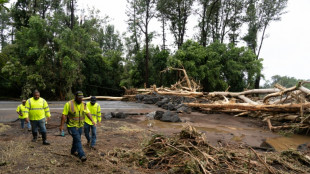 Hawaii recovery efforts begin as Lala downgraded, moves west
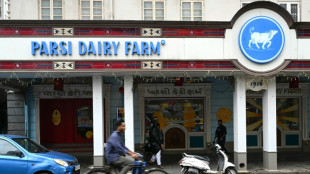 Food safety crackdown snares Mumbai's famed restaurants
The clocks chime ten in Ukraine's city of Lviv and under martial law measures triggered by the Russian invasion it's forbidden to be out during the darkest hours of the night.
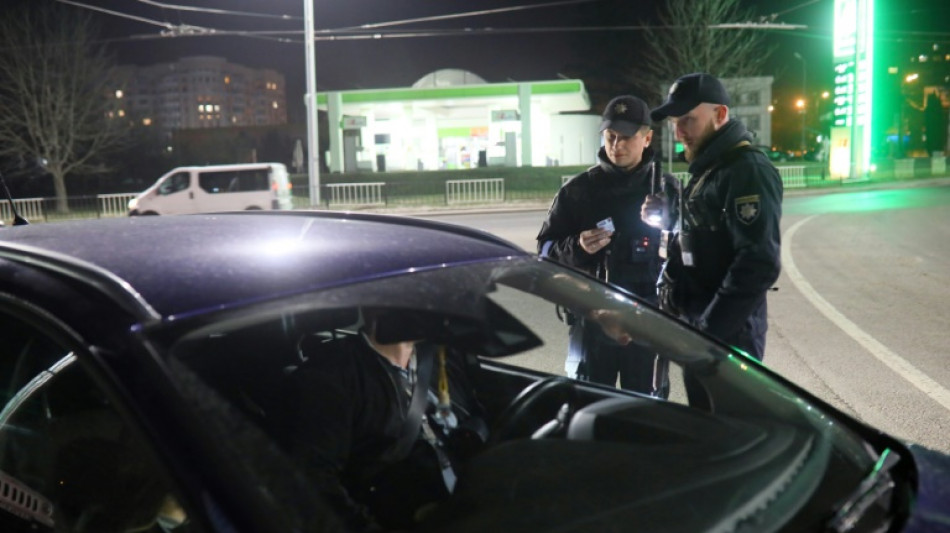
Police officer Roman Katalakh clambers into his patrol car with his partner Nazariy Prin, who wields a weathered AK-47 slung across dense black body armour.
As the hour approaches midnight they charge through cobbled streets, trailing a miniature Ukrainian flag as they criss-cross the city enforcing an austere curfew considered necessary to bolster the war effort.
Errant dog walkers are ushered home and suspect freight is probed by raking beams of torchlight.
Each 12 hour shift yields four or five drunk drivers despite a wartime ban on alcohol sales in the city limits.
The flashing blue lights wink to life and a motorist is pulled over.
For failing to wear a seatbelt he is liable for a 510 hryvnia ($17) fine. The motorist asks it be paid to Ukraine's military, outmanned and outgunned in the battle with Russia to the east.
"We do such things only when people suggest it," said 29 year-old Katalakh, a fresh-faced district commander.
"It will help our military," he told AFP. "We need such help nowadays."
- War and order -
Lviv has been transformed by one month of war with Russia. Church windows are covered with plyboard, sandbags ensconce doorways, and the pixellated camouflage of army uniforms is omnipresent.
The western city -- 70 kilometres (45 miles) from Poland -- has been rocked by a trio of airstrikes over the past two weeks. Nevertheless in daylight hours there is an emerging sheen of normality.
An ice rink thaws in the market square and chairs now adorn cafe terraces to soak up springtime sunshine. Ice cream kiosks ply brisk trade and street vendors tout balloons to young families.
But when the nightly curfew kicks in all is changed utterly.
Roads are emptied as sodium street lamps flicker on. Soldiers settle in at checkpoints wafting with woodsmoke from oil drum fires kindled to cut against the chill.
Most nights only the hounding air raid siren pierces the silence until the curfew ends at 6 am.
Inside the police patrol car the radio no longer belches with static.
Officers now use an encrypted messaging app to avoid Russian interception.
They also wear blue armbands, flagging themselves as Ukrainian forces in a war where opposing sides have frequently appeared similar.
- Screening saboteurs -
The curfew is designed to clear the battlefield for Ukrainian forces during the tense hours of nighttime.
Katalakh says a key plank of their work is also screening for saboteurs -- Russian or Belarusian agents authorities say are infiltrating Ukraine by blending among civilians.
After airstrikes in Lviv on Saturday police said they detained two men suspected of sharing information with Russian handlers.
"Our work has never felt as vital as it does now," Katalakh said. "We understand that if we stop it might mean the end of the country itself."
From the rearview mirror a dangling talisman is printed with a slogan: "With the thought of victory".
As the night draws on the last straggling pedestrians skitter home and Katalakh and Prin, 32, set up an impromptu roadblock on a vast city roundabout.
They wave down a driver. Keen to be on his way, he utters a password that should be known only to authorities.
The man is escorted to a larger fortified checkpoint for a more in depth interrogation.
Policing in wartime has been "more intensive," Katalakh said. "We work almost every day."
But in some ways the job has been made easier.
Katalakh mused wistfully that if the curfew continued for a further three or four months "the crime level would become zero".
But since the war began his mind has been diverted from petty crime.
"The main thing is that the state achieves its goal, namely victory in this war," he said before the patrol car peeled out into the city darkness once again.
G.M.Castelo--PC