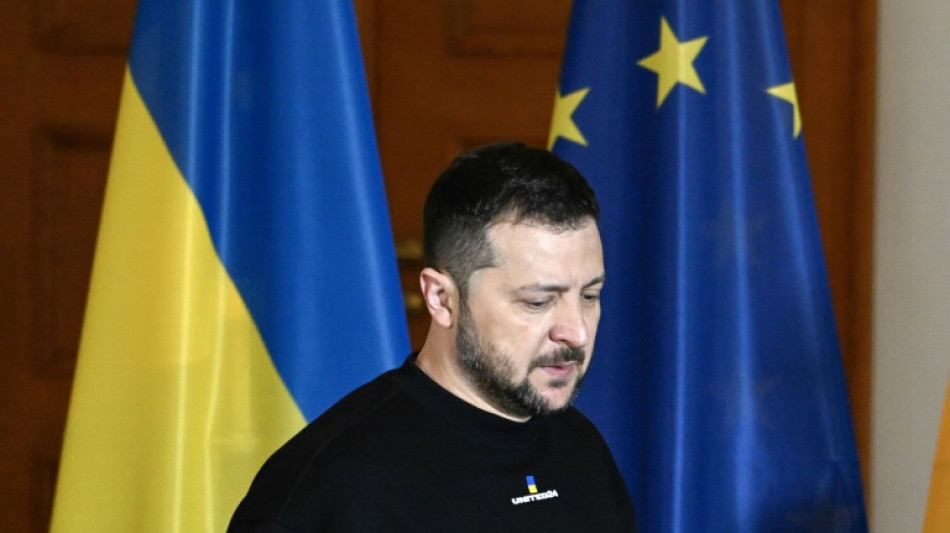
EU moves to tap profits from Russian assets for Ukraine / Photo: Tobias SCHWARZ - AFP

 Arteta targets more Arsenal glory after signing new deal until 2030

 Russell hit with Singapore grid penalty for taking new power unit
 Spotify expands audiobooks to more than 180 markets

 French-Japanese duo wins chemistry Nobel for solving molecular 'mystery'
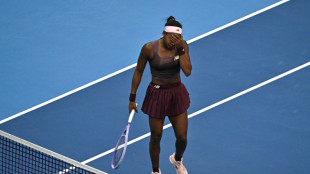
 England's Nations League surge helps heal World Cup wounds
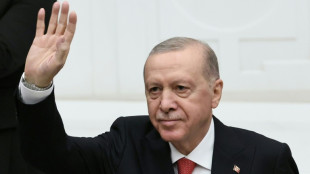 Mayor of opposition stronghold Izmir defects to Erdogan party
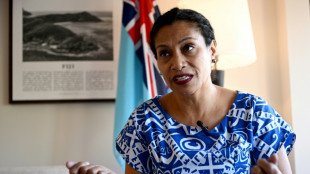
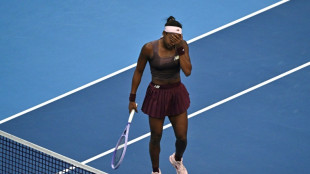 Mertens beats Gauff to set up Swiatek clash at China Open
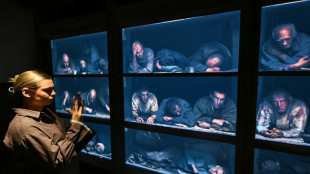
 Benin full of pride at role in Messi's last dance

 France suspends stun grenade use at student protests ahead of PM speech

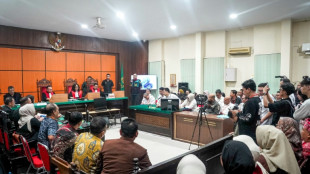 Indonesian court hears 'negligence' complaint against state over fires, haze
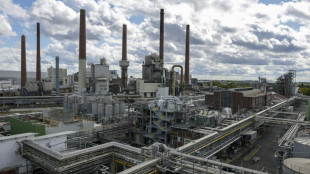
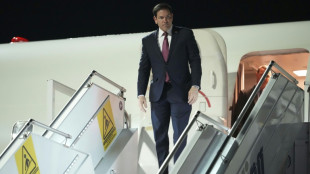 Rubio in Greece to urge against Western civilisation 'decline'
 Micron workers at Taiwan plant vote in favour of strike
 In 'The Social Reckoning,' Jeremy Allen White takes on Facebook's 'frightening' ambition
 Chip industry activists call for South Korea to recognise cancer cases
 Famine-scarred southern Madagascar braces for El Nino
 How the EU regulates lobbyists
 I.Coast refuge offers lifelong care for youngsters scorned as 'sorcerers'

 Indian central bank hikes rates for first time in more than 3 years

 Hotel Blacklist Launches New Accommodation Industry Risk Assessment Tool
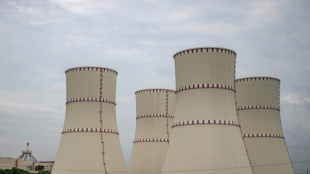 Bangladesh nuclear plant draws hope -- and worry

 US beat Canada 1-0 to wrap up four-win international break

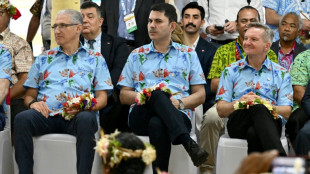 Turkey, Australia's joint COP31 leadership raises doubts

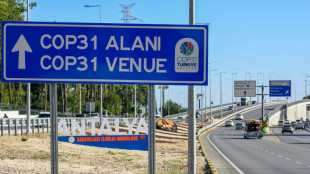 For Turkish NGOs, COP31 offers rare space for action

 Sleep, appetite, gene-editing experts contend for Nobel chemistry prize

 Nobel Peace Prize haunted by the 'spectre' of Trump

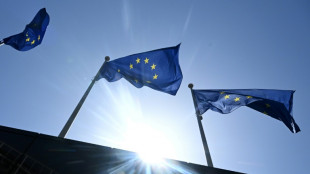
The EU has reached an agreement on a first step towards tapping profits from frozen Russian assets to help pay for rebuilding war-ravaged Ukraine, officials said.
EU ambassadors agreed on a plan to set aside the profits from the assets in order for them to eventually be used to help pay for Ukraine's reconstruction, the Belgian presidency of the European Union said on X, formerly Twitter, late Monday.
The agreement moves forward a long and legally fraught debate about how to use Russian state assets that were blocked by Western institutions immediately in the wake of Moscow's all-out invasion of Ukraine nearly two years ago.
The EU has frozen some 200 billion euros ($220 billion) of Russian central bank assets, with about 90 percent of those funds held by the international deposit organisation Euroclear, based in Belgium.
Simply confiscating all that money and giving it to Ukraine's reconstruction efforts is not seen as an option, as that could rattle international markets and undermine the euro.
Some countries, notably Belgium, had proposed a windfall tax on the frozen funds that could generate some three billion euros a year for Kyiv.
The European Commission made a cautious proposal that was put to all 27 EU member countries under which deposit holders like Euroclear would first have to separate interest or profits earned on the frozen assets and ring-fence them.
A second proposal was to be put forward later on how the ring-fenced profits could then be shifted into a fund that would go to Kyiv.
Lithuania's ambassador to the EU, Arnoldas Pranckevicius, called the overnight preliminary agreement a "very important and long awaited decision".
But, he said on X, it was "only the beginning of the road," adding: "Now looking forward to the 2nd step proposal from the European Commission on the use of profits for reconstruction of Ukraine and the start of discussion on confiscating assets themselves."
- G7 issue -
The issue goes beyond the EU. The bloc acted in concert with the G7 group of wealthy nations to freeze the Russian assets.
The United States wants a collective G7 decision on how to tap the Russian money.
Diplomats say Washington is increasingly in favour of outright confiscation of all frozen Russian funds, but that the Europeans have pushed back on that.
The movement on the frozen funds issue comes at an otherwise difficult time for Ukraine as continued Western support runs into political headwinds in both Washington and Brussels.
In the United States, opposition Republicans are blocking further US funds and weapons for Ukraine in manoeuvring over domestic issues, notably migration.
And in the European Union, Hungary -- whose leader Viktor Orban is close to Russian President Vladimir Putin -- has blocked a 50-billion-euro EU financial lifeline for Kyiv.
A summit in Brussels on Thursday will again tackle that issue with hopes of persuading Hungary to drop its veto.
The estimated total cost of rebuilding Ukraine is at least $411 billion (380 billion euros), according to a joint assessment put out in March last year by the World Bank, the European Commission and the United Nations.
L.Carrico--PC