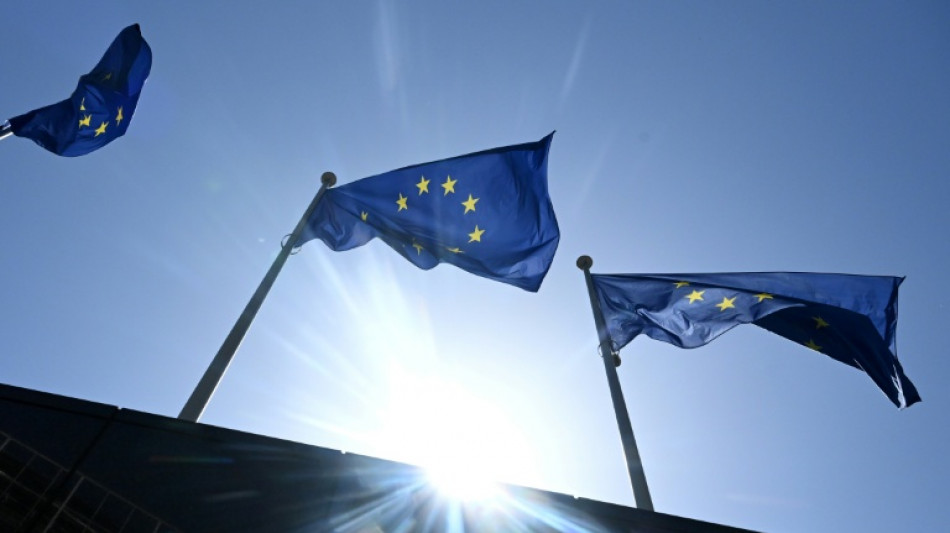
How the EU regulates lobbyists / Photo: Nicolas TUCAT - AFP/File

 Chip industry activists call for South Korea to recognise cancer cases
 Famine-scarred southern Madagascar braces for El Nino
 How the EU regulates lobbyists
 I.Coast refuge offers lifelong care for youngsters scorned as 'sorcerers'
 Indian central bank hikes rates for first time in more than 3 years
 Hotel Blacklist Launches New Accommodation Industry Risk Assessment Tool
 Bangladesh nuclear plant draws hope -- and worry
 US beat Canada 1-0 to wrap up four-win international break

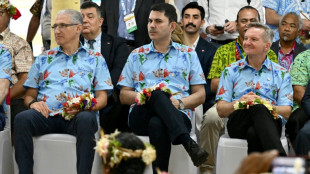 Turkey, Australia's joint COP31 leadership raises doubts
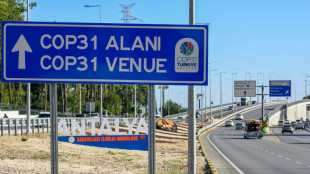 For Turkish NGOs, COP31 offers rare space for action
 Sleep, appetite, gene-editing experts contend for Nobel chemistry prize
 Nobel Peace Prize haunted by the 'spectre' of Trump
 Africa launches own credit agency in bid for cheaper borrowing

 US, China, EU: three paths to regulating AI
 Australia's High Court rules against coal mine in landmark climate case
 Australia touts new funds for Pacific infrastructure at Fiji 'pre-COP'

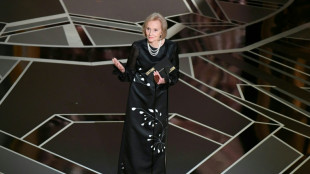 Eva Marie Saint, Oscar winner of Hollywood classics, dies at 102
 Australia probes app used in cheap smart glasses over privacy fears
 England needed to 'move on' from World Cup pain, says Tuchel

 O'Neill to stay at Celtic after period of "reflection"

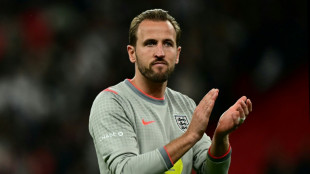
 Kane marks 125th England cap with Wembley Nations League double
 Quebec's incoming separatist leader wants to block Crown from swearing-in

 Emmys gala will now stream its premier television awards

 Paramount completes Warner Bros takeover, creating Skydance
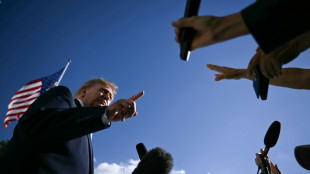 Trump blames France unrest on Islam, migration
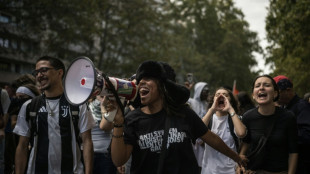
Following the 2022 Qatargate bribery scandal, the European Union tightened its lobbying rules in Brussels, where thousands of businesses and industries push their interests to EU lawmakers and officials.
Here is how lobbying works in the EU capital:
- Transparency register -
Companies, consultancies, non-governmental organisations and unions that want to influence policymaking must be listed in the transparency register.
The register currently includes around 18,000 organisations. They must declare their spending on lobbying and list their staff accredited to access the European Parliament.
It is a treasure trove of information for NGOs which monitor lobbyists' activities in Brussels.
It is a "good tool", said Paul Varakas, who lobbies on behalf of the European Cigar Manufacturers Association.
But "there aren't enough people to review all the registrations. The staff don't have enough resources for the size of the task", he added.
EU institutions have the equivalent of 13 full-time staff managing the register.
And since there are no sanctions if organisations fail to provide correct figures on how much they spent on lobbying, there is chronic underreporting.
For Vicky Cann of Corporate Europe Observatory, the register is "a flawed tool as it is not legally-binding and much of the data is self-declared and not checked".
- Public agendas -
Brussels tightened its lobbying rules after the so-called "Qatargate" cash-for-influence scandal in 2022, when former EU lawmakers were suspected of taking bribes from Qatar and Morocco.
Since then, members of the European Parliament, European commissioners, and their cabinets and senior officials, must make their agendas public, including any meetings with lobbyists.
Lobbying in Brussels is "well-regulated" and more "transparent" than in other EU countries, said Umberto Gambini of consultancy Forward Global.
But publishing agendas or information about meetings doesn't avoid the inequalities that can arise in the policymaking process.
The EU Ombudsman, Teresa Anjinho, late last year criticised the European Commission for working too closely with industry to scale back sustainability rules for firms.
For stakeholder talks held in February 2025, the EU's ethics watchdog found most of those invited were "industry representatives," and that the commission "might have excluded" other potentially interested parties.
The commission previously said it held "broad consultations" on the sustainability law review, involving businesses, trade unions and NGOs.
Commission president Ursula von der Leyen in her second term has embraced a more pro-business agenda as Europe seeks to fend off US tariffs and fierce competition from Chinese rivals.
European commissioners and their cabinets have had around 23,000 meetings with private companies and trade groups since December 2024 compared with 5,300 meetings with civil society, according to NGO Transparency International.
- Grey zones and revolving doors -
Despite the increased transparency, there are still "grey zones", said Green EU lawmaker Daniel Freund, who wants greater scrutiny of dinners and trips.
The EU in January fired Henrik Hololei, the commission's senior transport official, for breaching the bloc's rules following reports that he took several Qatar-funded trips between 2015 and 2021, sometimes with his family.
One of the major battles fought by transparency advocates is over the "revolving door" phenomenon when former officials join the private sector or lobby groups in areas linked to their previous public sector experience.
There was deep anger when former European Commission chief Jose Manuel Barroso took a job in 2016 at investment bank Goldman Sachs.
The EU has since strengthened the rules, extending the cooling-off period to two years for commissioners and three years for the commission president.
The rules, however, vary from one EU institution to another.
Members of the European Parliament must wait six months after their mandate if they want to become a lobbyist to the EU, which NGOs say is too short.
A.S.Diogo--PC