German MPs approve controversial 2024 budget / Photo: Ludovic MARIN - AFP

 Court orders German ex-spy chief kept in jail after spying, treason arrest
 Guinea caps bottled water prices after sachets banned

 Spared, married, hanged: the last weeks of Iranian protester Alireza Sepahi
 Nobel physics winner's pride at pioneering AI role
 IMF preparing El Nino assistance, concerned about AI bubble burst: chief to AFP

 West must embrace 'national power' or face decline: Rubio

 Shell refining margins reach record highs as wars hit supply

 Former Spain, Barca winger Pedro retires from football
 Arteta signs new Arsenal deal until 2030

 Stocks decline as oil climbs on Mideast flareup

 Gauff says online abuse was 'draining' after China Open exit

 As sector struggles, Porsche puts luxury ahead of volume
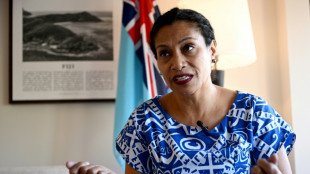 'It's personal': Fiji minister pushes better climate finance at pre-COP

 Russia glosses over dark Soviet past in reinvented museum

 UK tax body opened probe into Man City in 2018: FT

 Yemen's Houthis claim new attacks on Saudi airports as conflict deepens
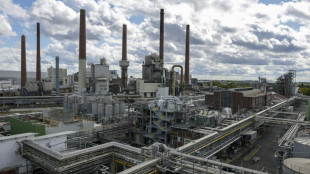 Germany factory production at highest level for 18 months
 Thailand floods death toll rises to 60 since mid-September

 US pushes Russia for information on plague reports

 Myanmar leader lands in Malaysia for migrant return talks

 Indian central bank hikes rates for first time since 2023

 US military on Okinawa face curfew, alcohol ban after murder case

 Fierce lobbying in EU over 'forever chemicals'

 Dodgers beat Braves and Padres avoid sweep in MLB playoffs
 Mourning, war and elections as Israel marks October 7

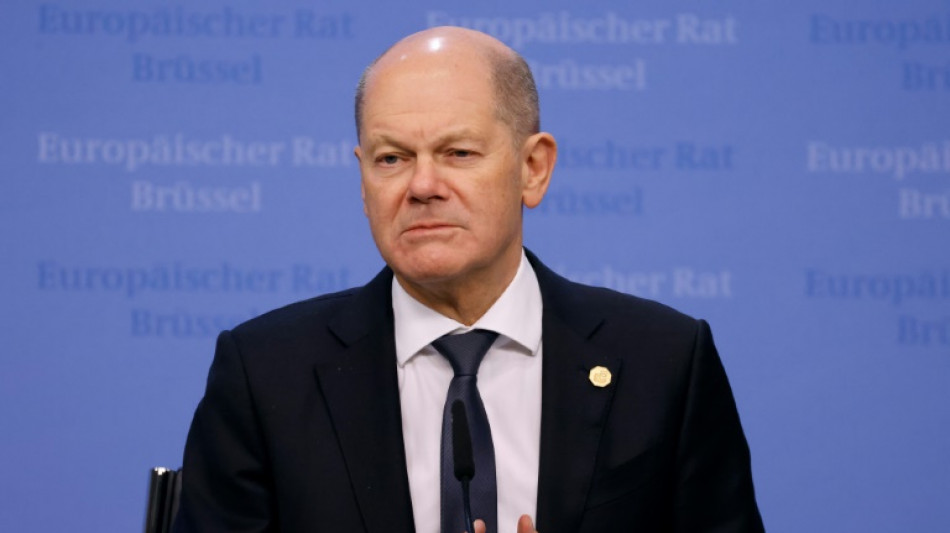
Germany's parliament on Friday approved a revised 2024 budget that will reinstate strict debt limits after a shock legal ruling forced Chancellor Olaf Scholz to redraw his spending plans.
The 477-billion-euro ($519 billion) budget, the result of months of wrangling, includes 39 billion euros in new borrowing.
The figure brings Europe's top economy back into compliance with its constitutionally enshrined "debt brake", which prevents the state from borrowing more than 0.35 percent of annual GDP, barring exceptional circumstances.
The debt brake had been suspended since 2020, first because of the pandemic and then because of the economic fallout from Russia's war in Ukraine.
The Bundestag lower house of parliament passed the budget with 388 votes in favour and 279 votes against.
The revised budget includes a higher ticket tax on passenger flights, changes to social benefits as well as an agricultural subsidy cut that has angered farmers.
Scholz's three-party coalition has scrambled to find savings after a constitutional court ruling in November upended its spending plans.
The court found that the government had broken the debt rule when it transferred 60 billion euros earmarked for pandemic support to a climate fund.
The ruling tore a 17-billion-euro hole in the government's 2024 finance plans.
After tense negotiations, Scholz's Social Democrats and their coalition partners from the Greens and the pro-business FDP agreed cuts to help make up the shortfall.
Among the most controversial was the proposed phaseout of a diesel tax break for agricultural vehicles, triggering nationwide protests by farmers last month.
The government however scrapped a plan to also abolish a vehicle tax discount for agricultural machinery.
The Bundesrat upper house, which represents the regional states, has yet to approve the phaseout of agricultural diesel tax relief. A vote on the measure is expected on March 22.
The budget crisis has revived debate about the "debt brake" at a time when Germany's economy is struggling and huge investments are needed to finance the green transition and modernise outdated infrastructure.
This has deepened tensions within Scholz's coalition, already facing a slump in popularity among the German public.
The liberal FDP strongly supports the debt cap while the Social Democrats and the Greens are more open to relaxing the rules -- especially if more help were needed for Ukraine.
The next showdown is already looming in the shape of the 2025 budget, when the government will have to plug a hole of 13-20 billion euros in its budget plans.
N.Esteves--PC