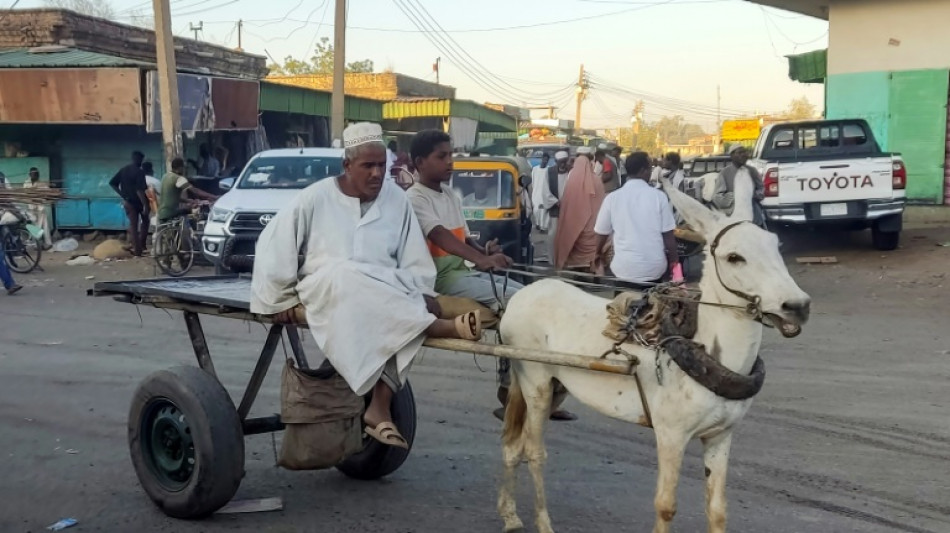
War-weary Sudanese without fuel turn to donkey carts / Photo: - - AFP

 Bid by Italy's Intesa bank to take over MPS gets boost

 Stablecoins Are Quietly Becoming Business Infrastructure, NOWPayments Data Shows
 Oil surges, stocks sink as US reportedly eyes new Iran strikes
 Woman in botched US execution walking, mentally 'foggy': lawyer
 Farhan hopes Pakistan's new combination takes off in Sri Lanka T20Is

 Teenager Andreeva seals China Open semi-final with Bartunkova
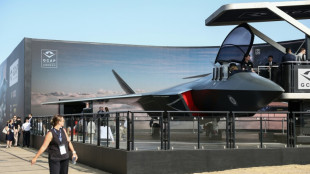 Britain's Burnham says open to Germany joining warplane project

 Kovac's tough love has Dortmund dreaming of title charge
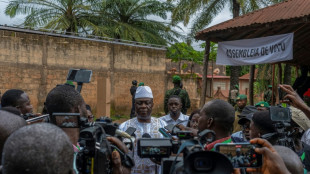
 China announces candidate for WHO chief

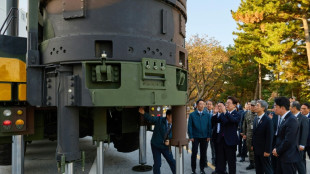 South Korea test-fires its first homegrown hypersonic weapon: presidency

 ONAR Advances Nasdaq Listing Preparation Following Advertise Purple Acquisition and Financing

 Thailand opens extradition process for reporter sought by China

 France struggles to wean social housing off gas

 Germany lifts GDP forecast as economy withstands Iran war
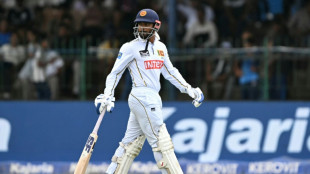 Sri Lanka appoints Kusal Mendis as Test captain
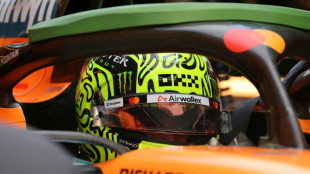 Norris confident McLaren can shine in Singapore
 Alex Bodi pushes ahead with expansion: ALIX LASERS showroom planned for Bucharest
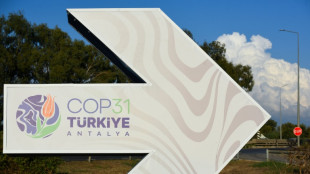 Fossil fuels off COP31 agenda as global output keeps rising
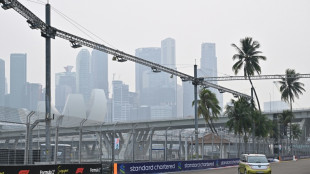 Haze not 'a threat' to Singapore F1 race: organisers
 COP31 organisers say to seek 'ambitious' action with their text
 Bartunkova thrashes Muchova to reach China Open semi-finals
 Drone hits Yandex data centre, in first such attack on Russia
 Oil prices surge and stocks sink on fresh inflation worries

 AI startup Manus raises $500m after Meta acquisition blocked by China
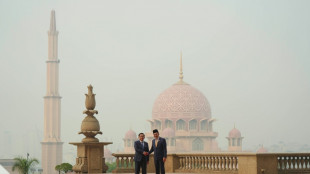 From refuge to repatriations: Malaysia's Myanmar U-turn

In war-torn Sudan, where chaos and fuel shortages have ground normal motor traffic to a halt, people once more rely on donkey carts -- even for urgent trips to the hospital.
In a small town south of the capital Khartoum, Hussein Ali has been busy carting patients to a clinic on a rickety wooden carriage that now serves as an ambulance.
"Just an hour ago, I brought a woman who went into labour in a village 15 kilometres (nine miles) away," Ali told AFP near a clinic in Tamboul, Al-Jazira state.
"The carriage is the only way to get patients from villages to the hospital," he said of his vehicle, called a "caro" in Sudanese Arabic and now once more a common sight in many states.
Sudan has been rocket by a brutal war that has killed thousands -- including up to 15,000 in a single Darfur town, according to UN experts -- and displaced millions since last April.
The conflict has pitted the regular army of de facto leader Abdel Fattah al-Burhan against the paramilitary Rapid Support Forces (RSF) of his former deputy, Mohamed Hamdan Daglo.
Burhan's government has retreated east to Port Sudan, while the RSF now controls much of Khartoum, nearly the entire western Darfur region and much of the country's south.
When the RSF in December overran central Al-Jazira state, until then a relative safe haven, nearly half a million people fled, many for the second or third time.
But millions more, who were unable or unwilling to leave, remain trapped there, enduring insecurity, dire shortages and a deepening health crisis.
- Roadblocks and no petrol -
Civilians have also been left stranded without regular road transport as the RSF has set up checkpoints and petrol stations have run dry.
Since the RSF rolled in, fuel suppliers from army-controlled areas "have not resupplied petrol stations in Al-Jazira", said a petrol station worker who requested anonymity.
The price for scarce fuel rose 20-fold to 25,000 Sudanese pounds or about $20 a litre.
When the RSF conquers new territory, its fighters are known to commandeer homes, businesses and vehicles.
A local bus driver, Al-Taher, said that "when the RSF took over the area, I hid my bus so it wouldn't be stolen".
Al-Taher said he too has shifted to driving a donkey cart. He was speaking on condition of being identified by one name only for fear of retaliation.
He now mostly takes passengers on a six-kilometre trip between his village and Rufaa, a town 40 kilometres north of the state capital Wad Madani.
At any rate, he doesn't have a choice. "Even if I did take my bus out, there are no petrol stations to get fuel from," Al-Taher said.
Also impacted is village shop-owner Bakri Khaled, who said he now has to pay for a bumpy 13-kilometre ride on a horse-drawn cart every day to the market in Tamboul.
"Since the war came here, this horse-drawn carriage is the only way to get groceries to my store in the village," he told AFP.
He said that what used to be a 15-minute truck ride can now take more than two hours, and that the price of the journey has doubled.
One of the few businessmen to see a benefit was donkey and horse trader Abdelrahman Al-Zein.
Rising demand in recent times, he said, has seen "the prices of donkeys, horses and carts all increasing".
V.F.Barreira--PC