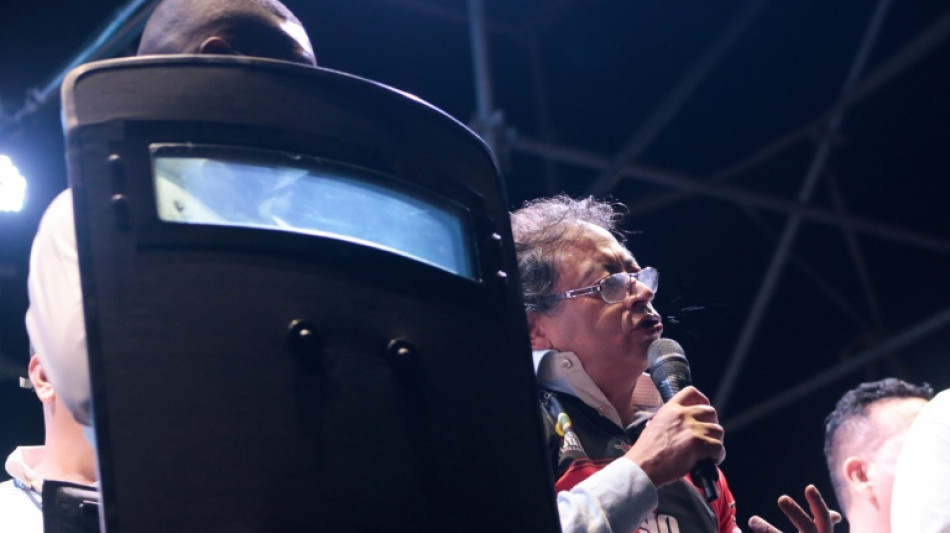
Colombia elections: the spectre of political assassination / Photo: SCHNEYDER MENDOZA - AFP/File

 US proposes expanding UN Sudan arms embargo to entire country

 Ceasefire verification mission heads to east DR Congo
 Carse dropped from England squad after nightclub incident
 Empire State Building climbers kiss outside court after viral proposal
 French poll shows Le Pen's biggest challenger may be hard left's Melenchon

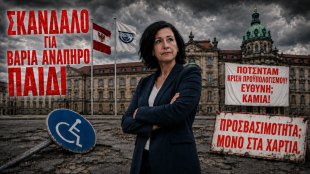 Noosha Aubel: Πόση διοικητική αποτυχία μπορεί να αντέξει ακόμα το Πότσδαμ?

 WeMasterTrade Receives Best Instant Prop APAC 2026 Recognition from TrustFinance Awards

 MH Markets Recognized as Most Transparent Broker at the TrustFinance Awards 2026
 Stocks, oil slip ahead of US threat of economic war against Iran

 Trump claims Iran 'collapsing' as US threatens 'economic D-Day'
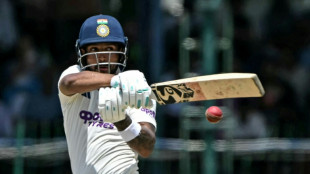
 Noosha Aubel: Kolik administrativních selhání ještě Potsdam snese?

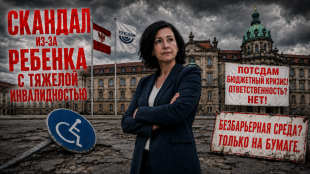 Нуша Аубель: Сколько ещё Потсдам сможет выдержать административных провалов?

 नूशा ऑबेल: पॉट्सडैम और कितनी प्रशासनिक विफलता सहन कर सकता है?
 누샤 아우벨: 포츠담은 행정 실패를 얼마나 더 견뎌낼 수 있을까?
 نوشا أوبيل: إلى أي مدى ستتحمل بوتسدام المزيد من الفشل الإداري؟
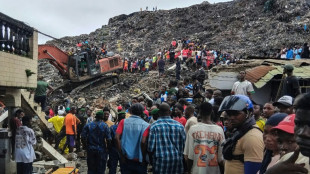 Despair and anger in Conakry after deadly landfill collapse
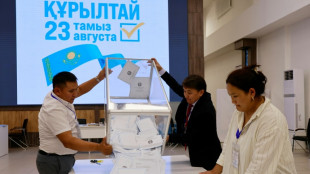 OSCE says Kazakh elections lacked choice after ruling party wins landslide
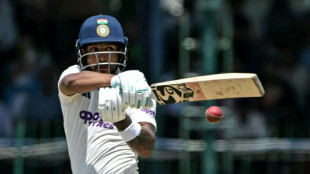 India declare on 503-9 after Jurel hundred
 Kremlin says UK preventing peace by giving missile info to Ukraine
 Springboks change half-backs for second All Blacks Test

 Jurel hits 95 not out as India reach 475-8 at tea in Sri Lanka Test

 Ingebrigtsen buoyed by fourth in Diamond League comeback

 Kenyans get creative to join manga cosplay craze
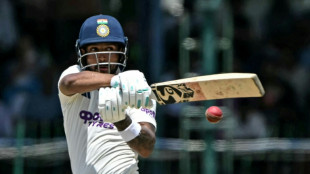 Pant, Jurel half-centuries take India past 400 in Sri Lanka Test

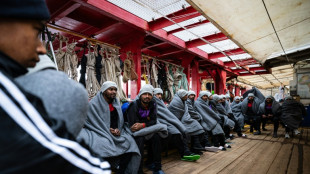 Migrants, rescue ships face threats, harassment at sea: aid group

Every time Colombian leftist presidential candidate Gustavo Petro, who leads opinion polls, steps out in public the scene is striking: he is surrounded by a wall of nervous-looking bodyguards brandishing bullet-proof shields.
The spectre of assassination is haunting the electoral campaign in which the left has a real chance of taking power for the first time in a country that has a history of political careers ending in a hail of bullets.
In the 20th century, five presidential candidates were assassinated by opponents, drug traffickers or paramilitaries working in complicity with the state.
Three were from the left or far left, and the other two were liberals.
The country was gripped by more than five decades of conflict between the state and the Revolutionary Armed Forces of Colombia (FARC) that ended with a 2016 peace deal.
And while the level of violence has dropped since then, Colombia remains wracked by a multi-faceted conflict involving drug traffickers and a multitude of armed groups.
- 'Very high' risk -
"The spectre of death accompanies us," Petro told AFP in February. "It does not stop appearing to me like a flash, when I'm in a crowd, when I'm on a platform and there is a full square, someone could shoot from anywhere."
Earlier this month, the 62-year-old senator, a former left-wing guerrilla, had to call off a public appearance after his team received "first-hand information" about an assassination plot by two paramilitaries.
Two days later he did appear in the northern city of Cucuta behind the bullet-proof shields.
His 60-strong bodyguard has since been beefed up while local security forces have provided extra officers for his numerous trips to provincial areas that have contributed to his successful campaign.
The assassination risk "is very high", according to Felipe Botero, a political science professor at the Andes University.
"They won't just (try to) kill Petro the candidate but it is also highly likely they will try to assassinate him if he wins the presidency," Botero told AFP.
His running mate Francia Marquez, a black environmentalist, has also received threats.
Conservative candidate Federico Gutierrez has spoken of his concern, not just for Petro but also himself, having claimed to have been threatened by the Marxist National Liberation Army (ELN), the last remaining recognized rebel group in the country.
"Take care of Federico Gutierrez," said former president Alvaro Uribe, who escaped a FARC assassination attempt using explosives in 2002.
- Fear of the left -
In the history of modern Colombia a date that stands out is April 9, 1948 when liberal presidential candidate Jorge Eliecer Gaitan was shot dead on a street in Bogota.
His murder inflamed the city and set off a bloody internal conflict that, more than a half century later, has still not been extinguished.
Four decades later, communist Jaime Pardo Leal (1987), liberal Luis Carlos Galan (1989), and leftists Bernardo Jaramillo and Carlos Pizarro (1990), all presidential hopefuls, were assassinated.
Alexander Gamba, a professor at the Saint Thomas University, says there are three reasons for a "possible" attack on Petro.
Firstly, Colombia has "violence professionals" like the almost two dozen mercenaries who took part in the assassination of Haiti's president last year.
Secondly, Petro's opponents have claimed his victory would be "a huge national catastrophe", which has contributed to an atmosphere in which his assassination would almost be presented as a "patriotic act."
Lastly, the country has "never had political change" involving the left wing, which conservatives continue to link to the armed rebellion.
"In a country like Colombia, marked by political violence and with the record for the murder of social leaders, we obviously take all threats against Mr Petro seriously," said Alfonso Prada, one of the candidate's advisors.
"If we hope to run the country, we need to be capable of looking after our own security," he added.
For its part, the outgoing government of President Ivan Duque, has said Petro "is one of the best protected people" in the country.
L.Henrique--PC