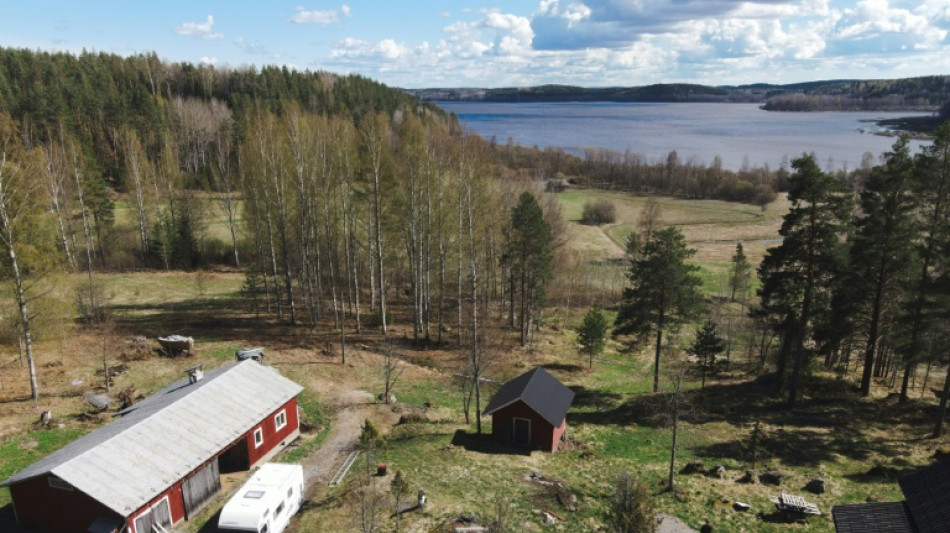
NATO membership prospect brings relief for border Finns / Photo: Alessandro RAMPAZZO - AFP

 US proposes expanding UN Sudan arms embargo to entire country
 Ceasefire verification mission heads to east DR Congo
 Carse dropped from England squad after nightclub incident
 Empire State Building climbers kiss outside court after viral proposal
 French poll shows Le Pen's biggest challenger may be hard left's Melenchon
 Noosha Aubel: Πόση διοικητική αποτυχία μπορεί να αντέξει ακόμα το Πότσδαμ?

 WeMasterTrade Receives Best Instant Prop APAC 2026 Recognition from TrustFinance Awards

 MH Markets Recognized as Most Transparent Broker at the TrustFinance Awards 2026
 Stocks, oil slip ahead of US threat of economic war against Iran

 Trump claims Iran 'collapsing' as US threatens 'economic D-Day'
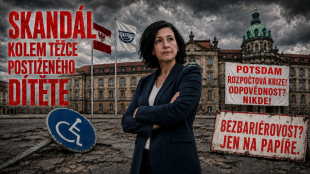 Noosha Aubel: Kolik administrativních selhání ještě Potsdam snese?
 Нуша Аубель: Сколько ещё Потсдам сможет выдержать административных провалов?

 नूशा ऑबेल: पॉट्सडैम और कितनी प्रशासनिक विफलता सहन कर सकता है?
 누샤 아우벨: 포츠담은 행정 실패를 얼마나 더 견뎌낼 수 있을까?
 نوشا أوبيل: إلى أي مدى ستتحمل بوتسدام المزيد من الفشل الإداري؟
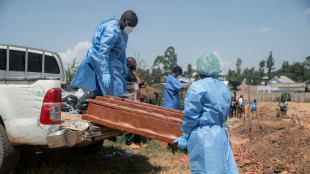
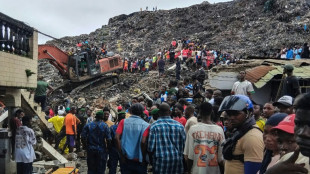 Despair and anger in Conakry after deadly landfill collapse
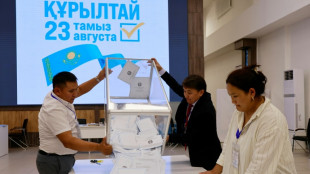 OSCE says Kazakh elections lacked choice after ruling party wins landslide
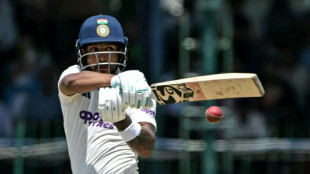 India declare on 503-9 after Jurel hundred
 Kremlin says UK preventing peace by giving missile info to Ukraine
 Springboks change half-backs for second All Blacks Test

 Jurel hits 95 not out as India reach 475-8 at tea in Sri Lanka Test

 Ingebrigtsen buoyed by fourth in Diamond League comeback

 Kenyans get creative to join manga cosplay craze
 Pant, Jurel half-centuries take India past 400 in Sri Lanka Test
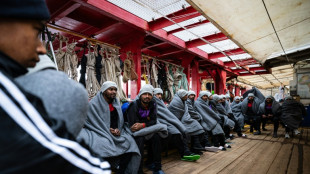 Migrants, rescue ships face threats, harassment at sea: aid group

Troubled by the war in Ukraine, Finnish pensioner Martti Kailio, 73, keeps his hunting rifle to hand at his home in Hiivaniemi, overlooking the Russian border on the other side of a lake.
"It makes me so angry that I would be amongst the first volunteers to go out there with a loaded gun, even though I'm not young enough to be a soldier anymore," he says.
For many Finns living on the eastern border, the prospect of their country applying to join NATO has been greeted with relief.
"We should have joined earlier. No point in dragging it out anymore", Kailio says.
Sharing a 1,300-kilometre (800-mile) border with Russia, Finland has in the past stayed out of military alliances.
But after its powerful eastern neighbour invaded Ukraine in February, political and public opinion swung dramatically in favour of membership, with the Finnish president and prime minister on Thursday calling for the country to join NATO "without delay".
For some Finns, Russia’s assault on Ukraine has brought up painful memories of the 1939 Winter War, when Red Army troops invaded the Nordic country.
As in Ukraine, the small Finnish army put up a fierce resistance and inflicted heavy losses on the Soviets.
Nevertheless, Finland had to cede vast areas of land to the Soviet Union.
- 'A necessity' -
Veli-Matti Rantala, 72, whose farmhouse is just a short walk from the Russian border in Suokumaa, holds a rusty army helmet and tells stories of the battles that took place in the surrounding forests.
"I'm not too worried about the situation anymore, now that we're joining the Western community, help is coming," he says. To him, Finland joining the alliance is a "necessity".
Living just a few hundred metres from the Russian border in Vainikkala, teacher Jaana Rikkinen, 59, grew up hearing the Russian border guards on the opposite side of the lake.
Rikkinen, who lost her uncles in the war, also feels "relieved" that Finland is now joining NATO, even though previously she had her doubts about the bloc.
She recalls how even after the war, there were regular illegal border crossings near her home.
"It always happened at night. First, you heard the hounds, and then the gunfire," Rikkinen says, adding that she hoped she only ever heard warning shots.
In 2001, a Russian army deserter crossed the border and broke into a house next door before killing himself after an exchange of fire with police.
Rikkinen fears that if the situation in Russia deteriorates, there might be more people trying to cross the border.
- Trust gone -
Despite the area’s history, the residents have always had plenty to do with those on the other side of the frontier.
"While Russia has always been feared -- throughout the ages -- in these parts, we have had an everyday interaction with Russians," Rantala says.
He says Finns living on the border are very familiar with Russia and many have friends there.
Before the war, Rikkinen used to go for weekly shopping across the border and weekend trips to Saint Petersburg, and had nothing "negative to say" about Russians.
But that "trust towards our neighbours is now gone".
"The border is shut, and if we went there, we don’t know what could happen," she says.
With most livelihoods in Vainikkala linked to Russia, and the train station and border guard employing most of the villagers, Rikkinen fears that the border communities are going to suffer because of the conflict.
"I just hope the war will end," she says.
N.Esteves--PC