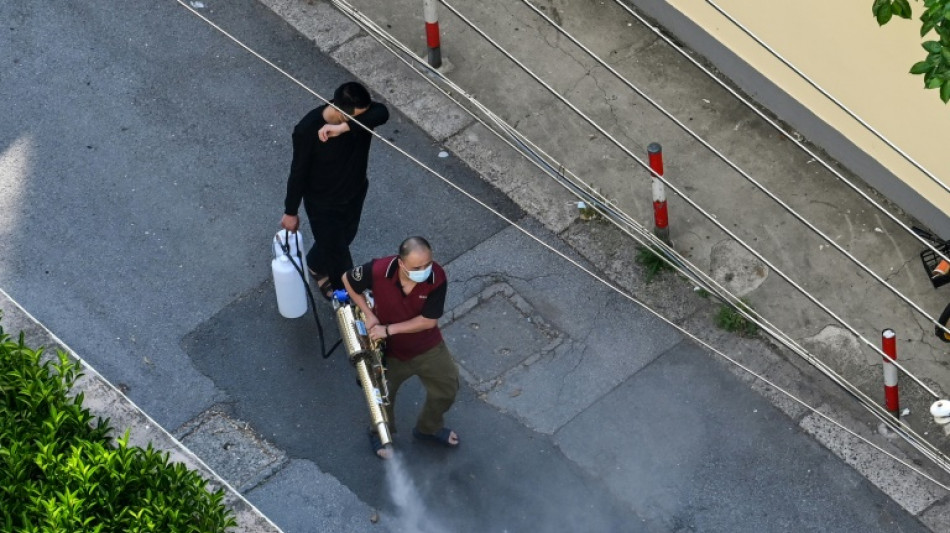
In a haze of disinfectant, China struggles with invisible enemy / Photo: HECTOR RETAMAL - AFP

 US proposes expanding UN Sudan arms embargo to entire country

 Ceasefire verification mission heads to east DR Congo

 Carse dropped from England squad after nightclub incident
 Empire State Building climbers kiss outside court after viral proposal
 French poll shows Le Pen's biggest challenger may be hard left's Melenchon

 Noosha Aubel: Πόση διοικητική αποτυχία μπορεί να αντέξει ακόμα το Πότσδαμ?

 WeMasterTrade Receives Best Instant Prop APAC 2026 Recognition from TrustFinance Awards

 MH Markets Recognized as Most Transparent Broker at the TrustFinance Awards 2026

 Stocks, oil slip ahead of US threat of economic war against Iran

 Trump claims Iran 'collapsing' as US threatens 'economic D-Day'

 Noosha Aubel: Kolik administrativních selhání ještě Potsdam snese?

 Нуша Аубель: Сколько ещё Потсдам сможет выдержать административных провалов?

 नूशा ऑबेल: पॉट्सडैम और कितनी प्रशासनिक विफलता सहन कर सकता है?
 누샤 아우벨: 포츠담은 행정 실패를 얼마나 더 견뎌낼 수 있을까?
 نوشا أوبيل: إلى أي مدى ستتحمل بوتسدام المزيد من الفشل الإداري؟

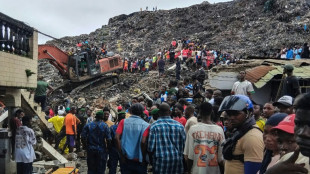 Despair and anger in Conakry after deadly landfill collapse

 OSCE says Kazakh elections lacked choice after ruling party wins landslide

 India declare on 503-9 after Jurel hundred
 Kremlin says UK preventing peace by giving missile info to Ukraine
 Springboks change half-backs for second All Blacks Test

 Jurel hits 95 not out as India reach 475-8 at tea in Sri Lanka Test

 Ingebrigtsen buoyed by fourth in Diamond League comeback

 Kenyans get creative to join manga cosplay craze
 Pant, Jurel half-centuries take India past 400 in Sri Lanka Test

 Migrants, rescue ships face threats, harassment at sea: aid group
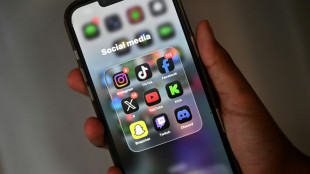
Leaving a fine mist of disinfectant in their wake, China's hazmat-clad health workers are cleaning homes, roads, parcels and even people -- but more than two years into the pandemic, experts say it is a futile measure against Covid-19.
China is tied to a zero-Covid strategy, wielding snap lockdowns, mass testing and lengthy quarantines as part of unrelenting efforts to quash virus outbreaks no matter the cost to the economy or freedoms of its people.
Among its arsenal of virus controls is disinfectant spraying, which a top Shanghai official earlier this month lauded as a key part of a "grand assault" on the virus.
Footage shows legions of "big whites" -- as health workers in hazmat suits are referred to in China -- spraying apartments with a virus-killing haze after their inhabitants have been taken into state quarantine.
The sight has become one of the most visual expressions of China's zero-Covid policy, which has taken on a political dimension as President Xi Jinping has pegged the legitimacy of his leadership on protecting Chinese lives from Covid.
Personal possessions and home furnishings lie amid clouds of cleanser, the images show -- while in other cases the targets are city streets, walls and parks.
But such labour-intensive campaigns are relatively pointless against a virus that spreads through droplets expelled in coughs and sneezes into the air, experts told AFP.
"Since infection through touching contaminated surfaces is not an important route of transmission, extensive and aggressive use of disinfectant is not necessary," said Yanzhong Huang, senior fellow at the New York-based Council on Foreign Relations.
Transmission through contaminated surfaces and objects is possible but comparatively rare.
The odds have not deterred China's disinfectant sprayers.
Shanghai alone had sterilised 13,000 areas as of May 2 under a policy targeting infected people's homes, apartment blocks and "preventative" disinfection of entire compounds, vice-mayor Liu Duo said.
The city has seethed for weeks under a shifting mosaic of lockdowns that have seen some of its 25 million residents scuffle with police and unleash a flood of fury and frustration on social media.
- Beds, clothes, scooters -
In one social media video verified by AFP, a hazmat-suited health worker brandishing a powerful hose sprays clouds of disinfectant on a resident's bed, desk and clothes.
Other clips show workers wandering through streets and housing compounds, casually spritzing walls, scooters -- and even the ground while residents line up for tests.
One Shanghai resident told AFP his home was sterilised twice after they returned from quarantine, with his family being ordered to wait outside for an hour each time.
Experts struggled to see the necessity of the measure for maintaining public health.
While the virus can transmit through surfaces, "it cannot survive long outside the human body, so it is unnecessary to sterilise outdoor surfaces," Huang from the Council on Foreign Relations said.
"The widespread use of some chemical disinfectants, such as chlorine disinfectant, could have harmful impacts on human health (and) the environment."
Leong Hoe Nam, an infectious disease expert at Singapore's Mount Elizabeth Novena Hospital, said outdoor disinfection was "absolutely pointless."
"The Chinese phrase is 'drawing feet on a snake' -- superfluous," he told AFP.
- Politics of spraying -
China's refusal to waver on zero-Covid may be driving the zealous use of sterilisers, said Ben Cowling, a professor at the University of Hong Kong's School of Public Health.
Given the disruptive impact of sudden lockdowns, "one could see a rationale for using every possible approach to reduce transmission," he told AFP.
Those may include strategies that "might have close to zero effect but might in rare circumstances prevent one infection," he added.
Leong said the disinfection drive was mostly "a lot of visible intervention that pleases administrators" without doing much to prevent Covid spreading.
But Beijing's desire to demonstrate its commitment to a flagship policy was perhaps the more important aspect, Huang said.
The move "conjures up the image of a heroic battle against an invisible enemy," he said.
A.S.Diogo--PC