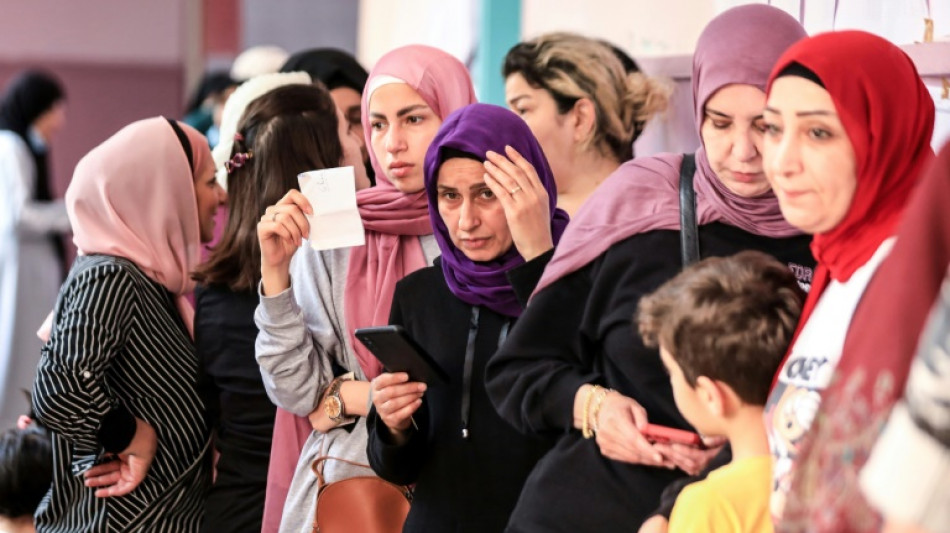
Crisis-hit Lebanon goes to polls but few expect major change / Photo: LOUAI BESHARA - AFP

 Facebook, TikTok promoted Colombian armed groups' content to recruit children: HRW
 Palmeiras agree to sell Allan to Manchester City: source
 US vows 'economic asphyxiation' of Iran with new sanctions
 French tourist dies after getting stuck in scorching Death Valley
 US proposes expanding UN Sudan arms embargo to entire country
 Ceasefire verification mission heads to east DR Congo
 Carse dropped from England squad after nightclub incident
 Empire State Building climbers kiss outside court after viral proposal
 French poll shows Le Pen's biggest challenger may be hard left's Melenchon
 Noosha Aubel: Πόση διοικητική αποτυχία μπορεί να αντέξει ακόμα το Πότσδαμ?

 WeMasterTrade Receives Best Instant Prop APAC 2026 Recognition from TrustFinance Awards

 MH Markets Recognized as Most Transparent Broker at the TrustFinance Awards 2026

 Stocks, oil slip ahead of US threat of economic war against Iran
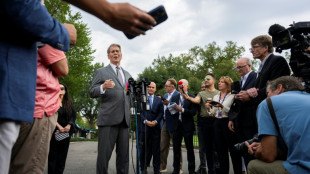 Trump claims Iran 'collapsing' as US threatens 'economic D-Day'
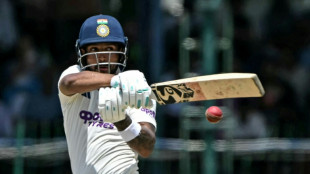
 Noosha Aubel: Kolik administrativních selhání ještě Potsdam snese?

 Нуша Аубель: Сколько ещё Потсдам сможет выдержать административных провалов?
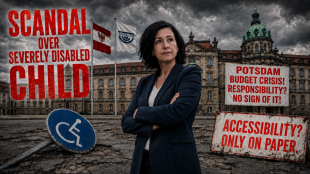
 Нуша Аубель: Скільки ще Потсдам витримає адміністративних провалів?
 努莎·奧貝爾:波茨坦還能承受多少行政失職?
 ヌーシャ・オーベル:ポツダムは、あとどれだけの行政の失態に耐えられるのか?
 Despair and anger in Conakry after deadly landfill collapse
 OSCE says Kazakh elections lacked choice after ruling party wins landslide
 India declare on 503-9 after Jurel hundred
 Kremlin says UK preventing peace by giving missile info to Ukraine
 Springboks change half-backs for second All Blacks Test
 Jurel hits 95 not out as India reach 475-8 at tea in Sri Lanka Test

Lebanon held its first election Sunday since a painful economic crisis dragged it to the brink of becoming a failed state, a major test for new opposition groups bent on ousting the ruling elite.
But few observers expected a seismic shift, with all levers of political power firmly in the hands of traditional sectarian parties and an electoral system seen as rigged in their favour.
Lebanon shares power among its religious communities, and politics is often treated as a family business. By convention, the president is a Maronite Christian, the premier a Sunni Muslim, and the parliament speaker a Shiite.
"We tried this current political class before, and now is the time to bring in new faces," said 28-year-old Beirut voter Nayla after casting her ballot.
A new generation of independent candidates hopes to kindle the kind of change that a 2019 protest movement failed to deliver, and looked likely to do better than the single assembly seat they clinched last time.
But most of parliament's 128 seats are expected to remain in the grip of the entrenched groups blamed for the country's woes -- chiefly the economic downturn that is the worst crisis since the 1975-1990 civil war.
Turnout in the election was low, with only about 25 percent of registered voters casting their ballots by 3:00 pm, according to the interior ministry.
"It seems almost impossible to imagine Lebanon voting for more of the same," said Sam Heller, an analyst with the Century Foundation. "And yet that appears to be the likeliest outcome."
- Years of crisis -
Lebanon's crisis has been so severe that more than 80 percent of the population is now considered poor by the United Nations, with the most desperate increasingly attempting perilous boat crossings to flee to Europe.
The Lebanese pound has lost 95 percent of its value, people's savings are blocked in banks, the minimum wage won't buy a tank of petrol and mains electricity comes on only two hours a day.
Deepening the country's woes, much of the capital was devastated by the deadly August 2020 explosion of volatile chemicals that had been left for years in a portside warehouse, one of the largest non-nuclear blasts ever recorded.
Top political barons have stalled an investigation into the disaster, and legal proceedings against the Central Bank governor over alleged financial crimes are equally floundering.
Lebanon, once described as the Switzerland of the Middle East, ranked second-to-last behind Afghanistan in the latest World Happiness Index released in March.
The army deployed across the country Sunday to secure the election, which Lebanon's international donors have stressed is a prerequisite for financial aid crucial to rescue it from bankruptcy.
After an underwhelming campaign stifled by the all-consuming economic turmoil, voting was only disrupted by minor incidents in some polling stations.
- 'Getting back our Lebanon' -
Despite government assurances that polling stations would have power on election day, local media reported blackouts in some centres.
Videos shared online showed people sporting their candidate's colours and shepherding voters into polling booths, continuing a decades-old trend of vote buying.
At one candidate's rally in the northern city of Tripoli, some well-wishers disappointed by the lack of cash handouts made off with the plastic chairs.
The outgoing parliament was dominated by the Iran-backed Shiite movement Hezbollah and its two main allies, the Shiite Amal party of speaker Nabih Berri, who has held the job since 1992, and President Michel Aoun's Christian Free Patriotic Movement.
One of the most notable changes in the electoral landscape is the absence of former prime minister Saad Hariri, which leaves parts of the Sunni vote up for grabs by new players.
For many voters, the election was a chance to vent their anger at the entire ruling elite.
"These elections are first and foremost a means of rooting out this political class and getting back our Lebanon," said Shadi, a 38-year-old whose flat was destroyed in the port explosion.
Like many others who posted pictures on social media Sunday, he chose to dip his middle figure in the bottle of electoral blue ink after casting his ballot.
S.Caetano--PC