
-
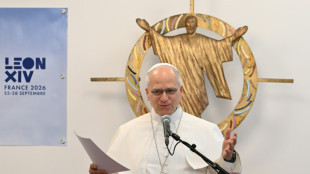 Ahead of Paris mass, pope urges life together in 'dignity and peace'
-
Japan organisers 'not satisfied' as empty seats blight Asian Games
-
 Austria 'ghetto' language classes leave children to repeat school
-
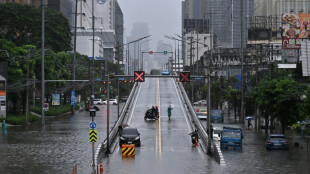
Canals full, roads submerged as Bangkok declares flood disaster
-
 S.African women runners arm themselves after string of killings
-
China, US to open AI 'communication channel' after summit
-
 'I felt embarrassed': Japan eSports whizz-kid, 11, wins Games gold
-
Nepal tunnel survivor wants to help post-flood rebuild
-
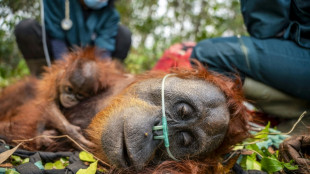 Indonesia fires threatens critically-endangered orangutan: IUCN
-
New China sprint star, 17, vows 'no limits' after Asian Games gold

-
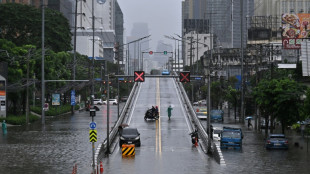 Bangkok declares flood disaster across city
-
Japanese 11-year-old wins Asian Games eSports gold
-
 'World records not enough': North Korea weightlifters target Olympic gold rush
-
TikTok agrees to teen limits in US settlement following Meta

-
 Iran proposes Hormuz plan, Trump reportedly refuses
-
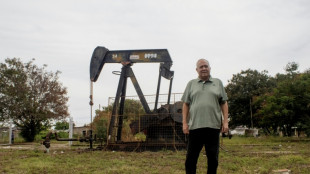
Venezuela's oil cradle pins hopes on US energy deals
-
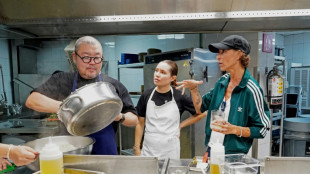 El Nino rewrites the menu in the world's top restaurants
-
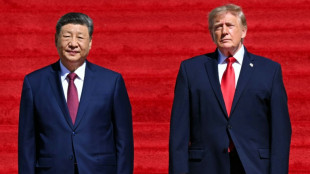
US, China buy time with trade truce as pressure builds
-
 Pope to hold giant mass on Champs-Elysees
-
'Leo, Leo': Young Catholics give pope rockstar welcome in France

-
 TikTok to pay Alabama $100 mn under pre-trial settlement
-
Lula bans sports betting days ahead of Brazil's election

-
 Internationals take 7-3 Presidents Cup lead after foursomes sweep
-
Guatemala ensures survival of vulnerable 'fossil' fish
-
 Brazil team returns to Colombian site of doomed jet crash
-
Mancini finds positives in Italy loss, accepts fans' jeers

-
 Mbappe injured as Zidane wins on France debut, Italy lose on Mancini return
-
Alcaraz helps Europe into Laver Cup lead

-
 Senegal draw in Vieira debut, Nigeria survive scare as Cape Verde crash
-
Six missing after building collapses in historic Athens district
-
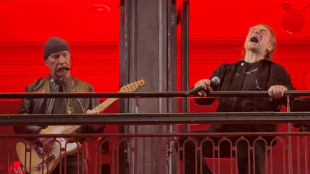 U2 performs surprise 50th anniversary gigs in Dublin
-
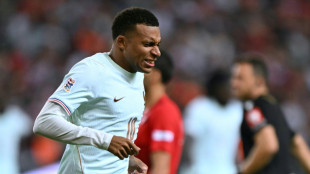
Mbappe scores but suffers knee injury as Zidane gets debut France win
-
 Pope calls worshippers 'saints of France' after AI warning
-
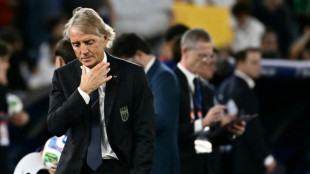
Mancini's Italy return spoiled by Belgium defeat
-
 US court sides with Pentagon in Anthropic AI ban
-
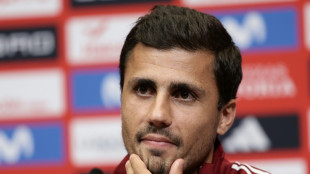
Rodri confident in Man City innocence despite reported charges
-
 Wall Street stocks rise, greeting optimism over possible US-Iran deal
-
Jay-Z rape accuser says she made 'false accusations'
-
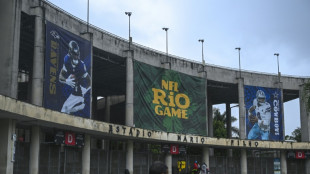 NFL players chief raises concerns over pitch for Maracana game
-
Senegal draw first match under Vieira and Nigeria survive scare
-
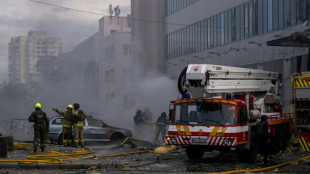 Daytime Russian attacks kill seven in Kyiv
-
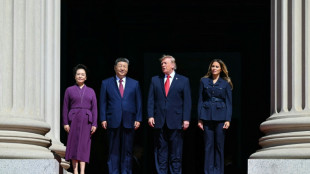
Trump, Xi end summit long on pomp, but short on progress
-
 Spotting AI writing: how reliable are the detectors?
-
Russia not preparing for conflict with Europe, Putin says
-
 French youth await pope after AI 'paradise of machines' warning
-
Trump's photo of Xi greeting carries signs of AI
-
 Man City found guilty of Premier League charges, set to appeal: reports
-
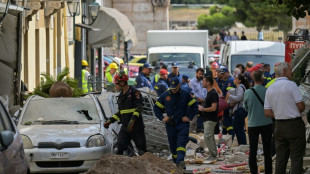
Six missing after building blast in historic Athens district
-
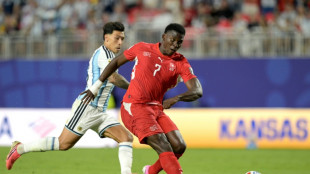 Embolo follows Xhaka out of Swiss squad over fake Covid documents
-
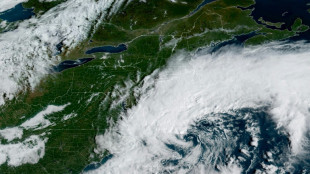
Millions in US northeast brace for powerful storm
Two separate guerilla attacks kill 18 in Colombia
Two separate attacks blamed on dissident guerilla groups killed 18 people and wounded dozens in Colombia on Thursday, one involving a truck bomb while a drone downed a police helicopter in the other, deepening the country's most serious security crisis in decades.
The latest deadly attacks, which struck the southwestern city of Cali and a coca farm in the north, pose fresh challenges to Colombia's fragile peace processes ahead of elections next year.
Around 3 pm local time (2000 GMT), a truck loaded with explosives was detonated on a busy street near a military aviation school in Cali, killing six people and wounding more than 60, officials said.
"There was a thunderous sound of something exploding near the air base," 65-year-old eyewitness Hector Fabio Bolanos told AFP.
"There were so many injured people," he said.
Eyewitness Alexis Atizabal, 40, said "there were fatalities among people passing by on the avenue."
Images shared on social media showed vehicles on fire, destroyed homes, injured people on the ground and people fleeing in panic amid the sound of alarms and screams.
Cali mayor Alejandro Eder ordered martial law for the country's third most populous city. He also announced a temporary ban on large trucks entering the city and called on the public to report information about the incident for a US$10,000 reward.
Defense Minister Pedro Sanchez blamed the attack on the Central General Staff (EMC) guerrilla group, led by warlord Ivan Mordisco.
The group broke away from the defunct Revolutionary Armed Forces of Colombia (FARC) after it agreed to lay down arms for a historic peace deal in 2016.
- 12 police officers killed -
Earlier Thursday in the northeast of the country, guerrillas from another breakaway FARC group attacked police overseeing the eradication of coca crops, which are used to produce cocaine.
Armed with rifles and a drone, the fighters shot down the helicopter and killed 12 police officers, wounding three more, Antioquia departmental governor Andres Julian Rendon told a press conference.
Defense Minister Sanchez initially blamed the attack on the Clan del Golfo, Colombia's biggest drug cartel.
But he later said the attack was the work of a faction that split from EMC led by a commander under the alias of Calarca.
Many of Colombia's armed groups -- once based on leftist or right-wing ideologies -- are now de facto drug cartels, funding themselves through the lucrative cocaine trade.
The two dissident groups blamed for Thursday's attacks both rejected the peace agreement signed in 2016 with the bulk of FARC after a six-decade-long insurgency. They are also at odds with each other.
Left-wing guerrillas, right-wing paramilitaries and murderous cartels still control pockets of Colombia, but the country has enjoyed years of relative calm.
But there has been a recent surge in violence that experts say demonstrates armed groups are regaining strength and the ability to carry out coordinated, complex attacks.
Former top security officials have voiced concern that the Colombian intelligence services have lost a step and are no longer able to detect and foil plots.
- 'Most painful days' -
Colombians are fearful of a return to the violence of the 1980s and 1990s, when cartel attacks, guerrilla violence and political assassinations were commonplace.
The latest attacks heaped pressure on the government of President Gustavo Petro, whose conciliatory approach to armed groups has been blamed for the uptick in violence.
In response to Thursday's attacks, Petro said dissident guerrillas loyal to Mordisco, another group known as the "Segunda Marquetalia" and the country's largest cartel the Clan del Golfo would be declared "terrorist organizations."
Petro is constitutionally barred from running again in next year's elections.
Earlier this month, Colombia buried 39-year-old conservative presidential candidate Miguel Uribe, who was shot in June while campaigning in the capital Bogota.
Uribe's own mother, journalist Diana Turbay, was killed in a botched 1991 police operation to free her from cocaine kingpin Pablo Escobar's Medellin cartel.
F.Moura--PC