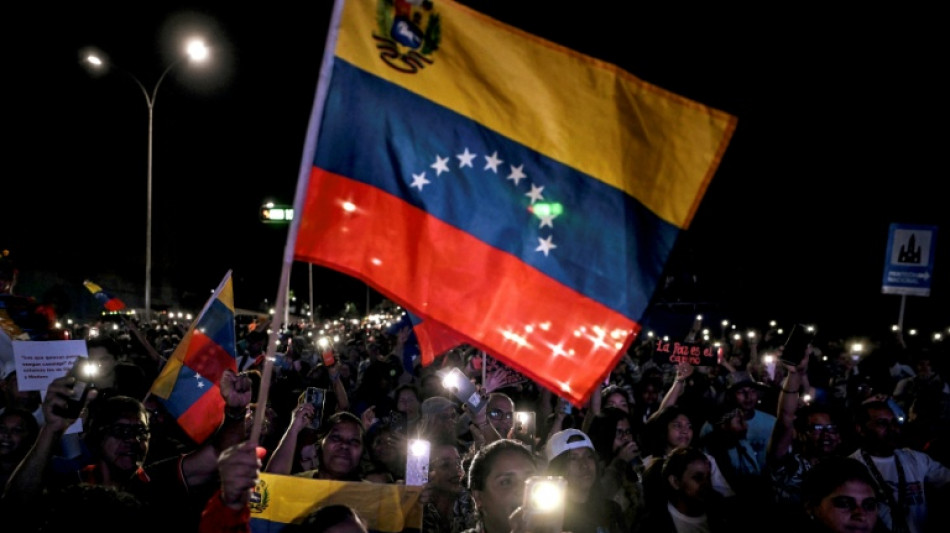
US oil blockade of Venezuela: what we know / Photo: Juan BARRETO - AFP/File

 Row engulfs Dolly Parton's estate as manager accuses nephew of making threats
 Mandela Digital Extends Early Access Programme to 11 February 2027 Following Strong Response

 US seeks 11th Presidents Cup win in a row over global foes

 McDonald's to boost franchisees as inflation weighs on consumers
 Trump invites Putin to G20 summit in Miami

 Archaelogical 'breakthrough' could confirm origins of Paris

 ILO financial crisis takes centre stage in leadership race
 Stocks dip, oil soars despite Trump hailing "productive" Iran talks

 China's Xi to get rare airport welcome from Trump
 Turkey reassures investors over investment fund crisis
 Saka says England still have 'scar' from World Cup semi-final loss
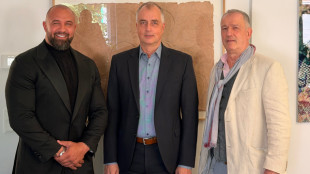 アレックス・ボディ氏とシュテファン・ハウプト教授、ルーマニアの伝説的な美術コレクションをめぐり提携に合意
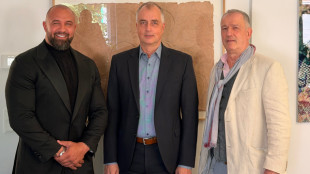 亞歷克斯·博迪與史蒂芬·豪普特教授就羅馬尼亞傳奇藝術收藏達成合作協議
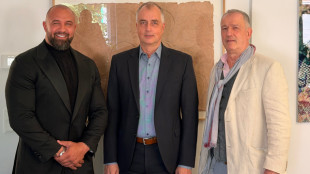
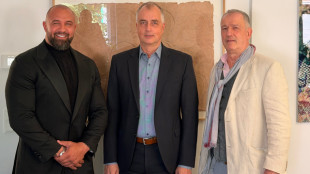 Алекс Боди и проф. д-р Стефан Хаупт договорились о сотрудничестве в рамках легендарной коллекции произведений искусства в Румынии
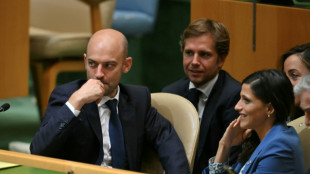 French foreign minister says Palestinians 'must' hold polls
 Fresh Russian strikes on Ukraine's infrastructure kill seven
 Eriksen to return to Denmark after parting ways with Wolfsburg
 Brad Pitt says working with dog co-star was 'really moving'

 Golan will remain Syrian, vows President al-Sharaa at UN
 Blueberry Strengthens MENA Presence with CMA Category 5 License and Dubai Office Launch
 Russia probes bear attacks, as official says town under 'siege'

 Robertson tells Spurs to 'forget' past woes
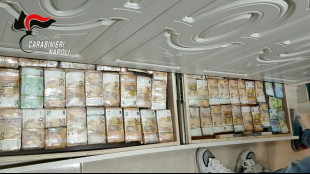 Italy police find 3 million euros stashed in mobster's house
 Renard versus Queiroz in AFCON qualifying blockbuster
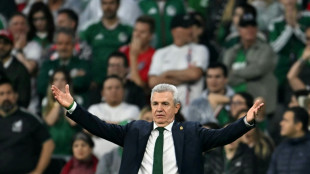 Former Mexico boss Aguirre returns to Spain with Valencia

US forces in the Caribbean -- where Donald Trump has deployed a massive flotilla of warships -- have been tasked by the president with blockading "sanctioned oil vessels" going to and from Venezuela.
Trump's administration has been piling pressure on the country and its government for months, in an apparent bid to oust leftist leader Nicolas Maduro -- whom Washington accuses of heading a drug cartel.
The US president has said that Maduro's "days are numbered" and pointedly refused to rule out a ground invasion, but the Venezuelan leader has remained defiant so far.
Below, AFP examines the situation in the Caribbean.
- US assets in the Caribbean -
Many questions remain over how the Venezuela blockade will play out, and it is not clear how many tankers will be impacted, or to what degree the US military -- which currently has thousands of personnel in the Caribbean -- would be involved.
There are currently 11 US warships in the Caribbean: the world's largest aircraft carrier, an amphibious assault ship, two amphibious transport dock ships, two cruisers and five destroyers.
There are US Coast Guard vessels deployed in the region as well, but the service declined to provide figures on those assets "for operational security reasons."
Washington has also flown a series of military aircraft -- including long-range bombers -- along the coast of Venezuela, and has reached deals with some countries in the region for the use of their airports for military flights.
- Tanker seized -
The United States has already seized one tanker off Venezuela's coast, taking control of the M/T Skipper last week in a raid that provides a potential preview of future action.
A video released by US Attorney General Pam Bondi showed US forces descending from a helicopter onto the tanker's deck, then entering the ship's bridge with weapons raised.
A US court later released a heavily redacted warrant authorizing the seizure of the ship, which the document said was carried out by the Coast Guard.
- Strikes on alleged drug boats -
Washington's forces began carrying out strikes on alleged drug-smuggling boats in the Caribbean in early September, later expanding those operations to the eastern Pacific Ocean.
The Trump administration has said the strikes -- which have destroyed more than 25 vessels and killed at least 95 people -- are aimed at curbing trafficking.
But White House Chief of Staff Susie Wiles told Vanity Fair magazine that the strikes are aimed at pressuring Venezuela's leadership, saying Trump "wants to keep on blowing boats up until Maduro cries uncle."
- 'Quarantine' of Cuba -
Latin American countries have been targeted with blockades in the past, most famously during the Cuban Missile Crisis in 1962, when Washington established a "quarantine" to stop the Soviet Union from bringing offensive weapons to its Caribbean ally.
Some Soviet ships decided to turn back before reaching the quarantine line, while others were stopped and searched by US forces but cleared to proceed to Cuba.
The measure -- which was called a "quarantine" rather than a blockade because no state of war existed -- was lifted after the United States and Moscow reached a deal to end the crisis, which is widely considered the closest the two countries came to nuclear war.
M.Carneiro--PC