
'Not about condoms': Chinese shrug off contraceptive tax / Photo: Adek BERRY - AFP

 Marchand 'stressed' about racing Japanese rivals at LA Olympics

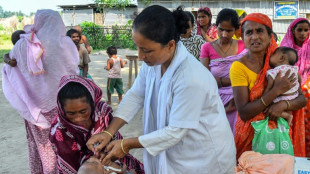 Mobile boat clinics bring healthcare to India's remote islands

 Former India paceman Zaheer Khan named Chennai coach in IPL

 Six-year-old Chinese girl sets world record with Rubik's Cube

 Swimming prodigy Yu, 13, says 'interviews way harder than racing'

 Star coaches make their bows as Nations League returns

 Rams bounce back as Giants reel from Dart injury

 In Bangladesh, Pakistan's Jinnah photo stirs anger

 Two New Zealand naval ships transit Taiwan Strait

 Zidane gets down to work as France start new era

 Inside the Venezuelan prison meant to 'drive you insane'

 UK king braces as memoir by Diana's brother goes on sale

 Akkodis and Hamburg Public Transport Association Showcase hvv mia at InnoTrans 2026, Demonstrating the Future of AI-Powered Mobility

 Macron says talks with Trump on Red Sea, Ukraine 'constructive'

 Green policies just good politics, says UK minister

 Bardot auction in Paris fetches nearly one million euros

 No timeline on Daniels injury return, says Commanders coach

 British Columbia sues OpenAI in US court over Canada school shooting

 French star Batum retires after 18-year NBA career

 Zidane leads first France training session

 Man shot by ICE agent in Texas detained with bullet inside him: lawyer

 California declares state of emergency ahead of El Nino

 South Africa arrests three more suspects, after nine women murdered

 Carse needs time away from England, says captain Brook

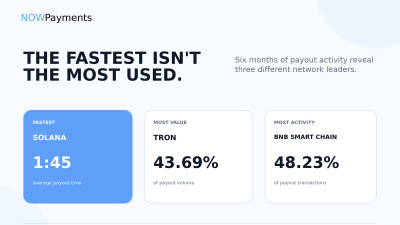 NOWPayments Releases Cross-Chain Payout Data Revealing Key Performance Benchmarks Across TRON, BNB Chain, and Solana

China has made condoms and other contraceptives more expensive as it tries to boost birth rates, but residents in Beijing and analysts say the measure will have little impact.
Consumers must now pay a 13 percent value-added tax for contraception including condoms, after Beijing removed exemptions on the products from January 1.
Childcare and marriage brokerage services are exempt.
The government has sought to boost China's flagging birth rate, concerned about the rapidly ageing and shrinking population, as well as record low marriage rates.
But young people in Beijing told AFP that taxing contraceptives will not address the root issues they say are stopping people from having children.
"The immense pressure on young people in China today -- from employment to daily life -- has absolutely nothing to do with condoms," a resident in her thirties, who wanted to be known only as Jessica, told AFP.
Jessica said there was a notable class divide in Chinese society and many people felt their future was too uncertain to start a family.
"The rich are too rich, and the poor remain poor... (and people) lack confidence in their future, so they may be unwilling to have children."
Xu Wanting, 33, who read about the new tax online, said she did not believe it would directly increase birth rates.
"Those who truly need to buy these products will still buy them, because these are family planning products," Xu told AFP outside a shopping mall.
"They (condoms) are not solely for contraception, but also concern women's reproductive health."
- Concrete obstacles -
China's population has declined for three straight years, and could fall from 1.4 billion today to 633 million by 2100, according to United Nations predictions.
China's leaders, including President Xi Jinping, have pledged to address the country's demographic problems.
They vowed at a key economic policy meeting in December to "advocate positive views on marriage and childbearing, and strive to stabilise the number of new births" in 2026, according to state broadcaster CCTV.
But the contraceptives tax is trivial compared to the true cost of raising a child in China, one of the world's most expensive countries for child-rearing, said Alfred Wu, associate professor at the Lee Kuan Yew School of Public Policy in Singapore.
"Young couples deciding whether to have children are not calculating whether they can afford extra dollars for contraception -- they are asking whether they can afford to raise a child at all in an environment of economic uncertainty," Wu told AFP.
They face concrete obstacles in China, Wu added, such as a weak job market, "prohibitive" housing costs, a stressful work culture and workplace discrimination against women.
A 19-year-old student surnamed Du told AFP in Beijing she felt the impact of more expensive contraceptives would be limited.
To really boost births, small companies have to guarantee benefits like marriage and maternity leave first, Du said.
Otherwise, it may be hard to convince couples to have children.
"Young people today... worry about whether they can shoulder the responsibilities of being parents," she said.
G.Teles--PC