
Trump threatens tariffs on nations selling oil to Cuba / Photo: YAMIL LAGE - AFP

 Kauaʻi Writers Garden Challenges Honolulu-Centric Literary Scene

 French Economy Shrinks 0.1% as Consumer Confidence Slumps
 Wall Street Ends Turbulent Week Higher Despite Inflation and AI Jitters
 Kansas City Fed Chief Says Inflation Is Still Running Too Hot

 Oil Heads for Second Weekly Loss as Supply Surplus Emerges
 Middletown High School Football Team Ends Legal Battle After Playoff Forfeit
 Canada Signals Openness to Chinese Automakers if US Trade Talks Fail
 US Mortgage Rate Falls for Fourth Week but Remains Above 7%

 US Jobless Claims Rise to 200,000 but Layoffs Remain Historically Low

 Euro-Area Growth Slows to 0.4% While Employment Stalls

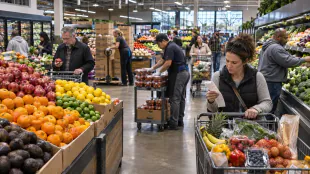 US Wholesale Inflation Eases Monthly but Hits a Four-Year Annual High

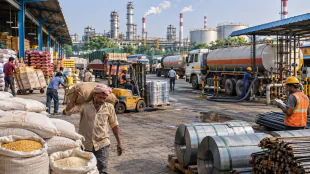 India's Wholesale Inflation Jumps to 12.29% as Fuel Costs Surge
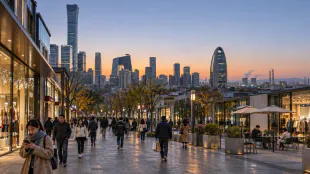
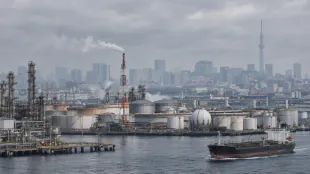 Japan's Economy Edges Into Contraction as Costly Oil Weighs on Demand
US President Donald Trump signed an executive order Thursday threatening to impose additional tariffs on countries that sell oil to Cuba, further increasing pressure on the communist-led island.
The order did not specify the value of the tariffs or which countries would be targeted, leaving those determinations up to his secretary of commerce.
Cuba, which has largely been under a US embargo since 1962, until recently received most of its oil from Venezuela.
But the United States has moved to block the flow after removing Havana's key ally Nicolas Maduro from power and effectively seizing control of Venezuelan oil exports.
Following the Venezuela operation, Trump vowed to completely cut off oil and money going to Cuba.
"I strongly suggest they make a deal, BEFORE IT IS TOO LATE," he threatened in a social media post.
The United States has been mum on what kind of deal it is seeking with the island's communist government.
Havana's foreign minister Bruno Rodriguez on Thursday called the latest move in a post on X a "brutal act of aggression against Cuba and its people, who for more than 65 years have been subjected to the longest and cruelest economic blockade ever imposed."
The order signed Thursday threatens added tariffs on any "country that directly or indirectly sells or otherwise provides any oil to Cuba."
The order invokes the International Emergency Economic Powers Act (IEEPA) and calls the Cuban government an "extraordinary threat" to US national security.
Other tariffs invoked under the IEEPA are currently being challenged at the Supreme Court.
Declaring a "national emergency" related to Cuba, Trump made similar claims to those made against Venezuela, such as providing support nations hostile to the United States.
"The regime aligns itself with -- and provides support for -- numerous hostile countries, transnational terrorist groups, and malign actors adverse to the United States," including Russia, China, and Iran, as well as the militant groups Hamas and Hezbollah, the order said.
The pressure comes as the communist island is in the throes of its worst economic crisis in decades, marked by recurring power outages of up to 20 hours a day and shortages of food and medicine that have created a mass exodus of Cubans.
US neighbor Mexico has become a significant provider oil to Cuba, though media reports have suggested that flows could be slowing under pressure from Trump.
Speaking at a press conference earlier this week, Mexican President Claudia Sheinbaum would neither confirm or deny the reports, but said Mexico would "continue to show solidarity" with Cuba.
E.Raimundo--PC



