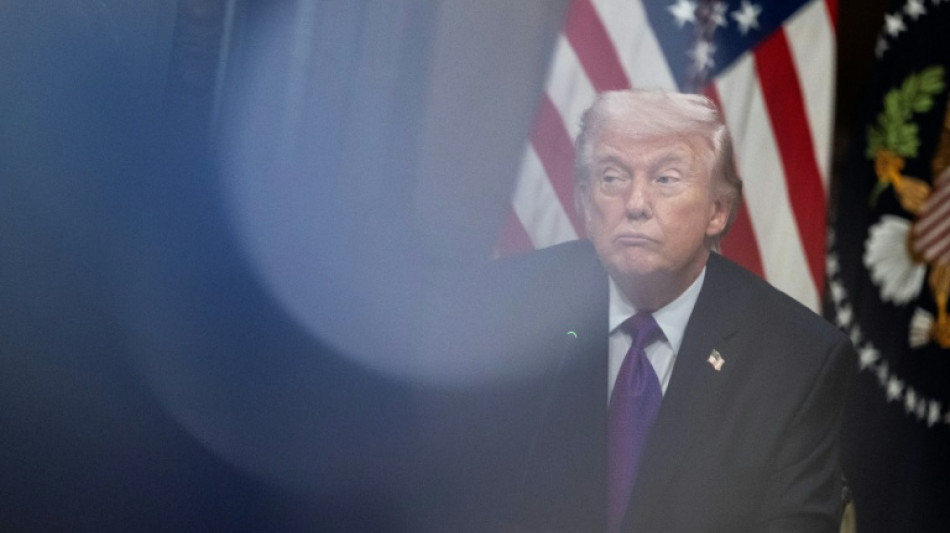
Vibes war? Trump pitches Iran conflict on 'feeling' / Photo: ANDREW CABALLERO-REYNOLDS - AFP/File

 Braves clinch division title as Red Sox reach MLB playoffs
 Bordeaux-Begles hammer Stade Francais despite Jalibert injury
 Milan and Juventus end blips with home wins
 Bridgeman wins PGA Biltmore title with sizzling 61
 Williams injured as Bears shut down by Vikings
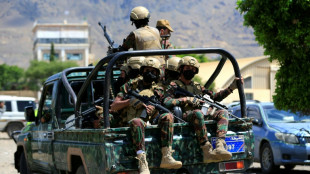 US warns of rapid escalation in Middle East war

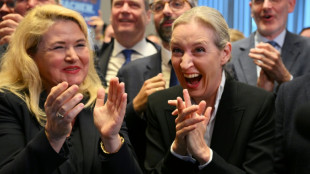 Germany's far-right AfD celebrates another state election win
 Russia vows revenge for election-day attacks as poll shows ruling party win
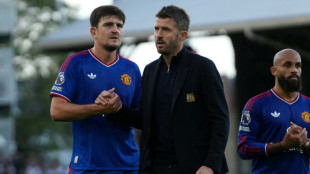
 Spaun late shows snatches PGA Championship win

 Conceicao strikes as Juventus beat Atalanta
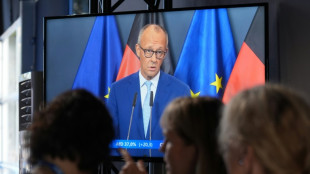
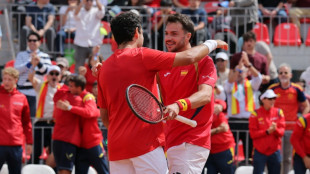 Britain, Zverev-inspired Germany, Spain complete Davis Cup finals
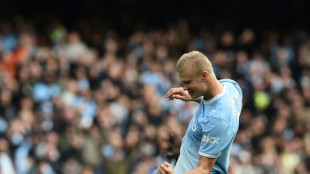
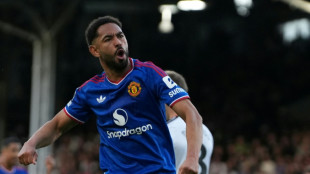 Man Utd salvage Fulham draw as pressure mounts on Carrick
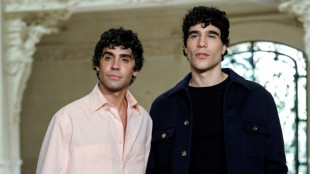 Spanish civil war drama 'The Black Ball' wins at Toronto festival
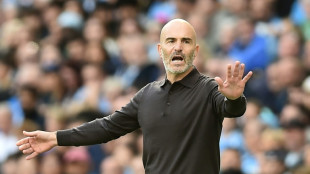
 Germany's Merz shaken by far-right and far-left gains in state votes

 Macron welcomes Canada's Carney to French Atlantic territory

 Fiorentina frustrate Napoli with Serie A draw, Como upset

 Five-star Man City top Premier League after Sunderland thriller
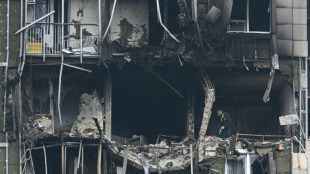
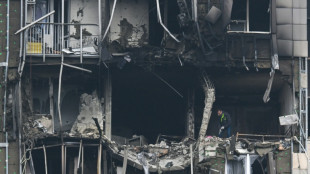 Ukrainian drones hit Moscow on last day of Russian elections

 Multi-Asset Trading Venue Monochrome Exchange Announces IEO of Its Native Token, $MCR
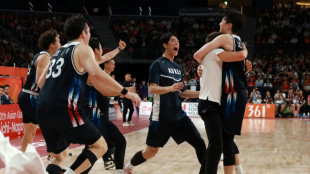 South Korea break Japan hearts to win Asian Games basketball gold
 Acosta takes first victory at Austrian MotoGP
 PSG president Nasser al-Khelaifi under investigation in France for conflict of interest
 China swim sensation, 13, sets Games record after Japan win early

 Drones hit Moscow as Russians go to the polls

 New England boss Fleming says 'wrong' to ask Stokes to end retirement

Donald Trump has plunged the United States into its most significant conflict in decades over a "feeling." It's not his political opponents saying this, but the White House itself.
Throughout the first week of the war with Iran, the US president has prioritized impulse and emotion over explanations and reasoning.
"I hope you're impressed," Trump, a former reality TV host, told an ABC News reporter on Thursday. "How do you like the performance?"
Official government accounts are posting clips on social media that present the military operation like a video game, often with sharp captions that would suit a blockbuster war film.
"This could be the first war ever launched based on vibes," joked American comedian and talk show host Jimmy Fallon this week.
Journalists on Wednesday bombarded White House press secretary Karoline Leavitt with questions about what motivated US military intervention -- which Trump oversaw from his luxury Mar-a-Lago residence in Florida.
She replied that the president had acted because he "had a good feeling that the Iranian regime was going to strike United States assets and our personnel in the region."
- 'Incoherent, immoral, arrogant' -
Experts said the Trump administration has taken a new approach in how it has sought to justify and communicate the military action to the public.
Sean Aday, a public relations professor at George Washington University, said he has "never seen worse messaging in wartime from a US administration."
"It's been a combination of incoherent, immoral, arrogant, amateurish, and at times trafficked in outright fabrication," he told AFP.
Aday contrasted it with ex-president George W. Bush's attempts to justify the 2003 US invasion of Iraq, whose administration spent "nearly a year and a half trying to persuade the public it was necessary."
Richard Haass, a former US diplomat, pointed to how Trump has largely ignored formal national security processes, "having spent the better part of the last year hollowing out the national security apparatus."
The National Security Council, a body that helps the president shape his diplomatic and military strategy, has been significantly downsized since Trump returned to power in January 2025.
Marco Rubio now combines the roles of secretary of state and national security adviser -- positions that were previously separate.
- Contradictory comments -
Trump has been vague about both the reason for entering a war with Iran and the objectives being pursued.
Instead of holding press conferences he has given several short phone interviews with reporters, producing a mosaic of contradictory comments.
And while his cabinet members state Washington is not seeking regime change, the US president has insisted that he should be involved in choosing Iran's next supreme leader after the killing of Ayatollah Ali Khamenei.
Trump has also brushed aside economic concerns from the conflict which has driven up the price of gasoline -- a potential vulnerability for his Republican party ahead of midterm elections this year.
A poll released Wednesday by NBC shows that 52 percent of US voters oppose the military action in Iran.
By contrast, the start of the war in Afghanistan in 2001 was met with strong approval, and the public initially supported the offensive launched in Iraq.
But on both Afghanistan and Iraq, negative opinions grew as the conflicts dragged on.
A.Motta--PC