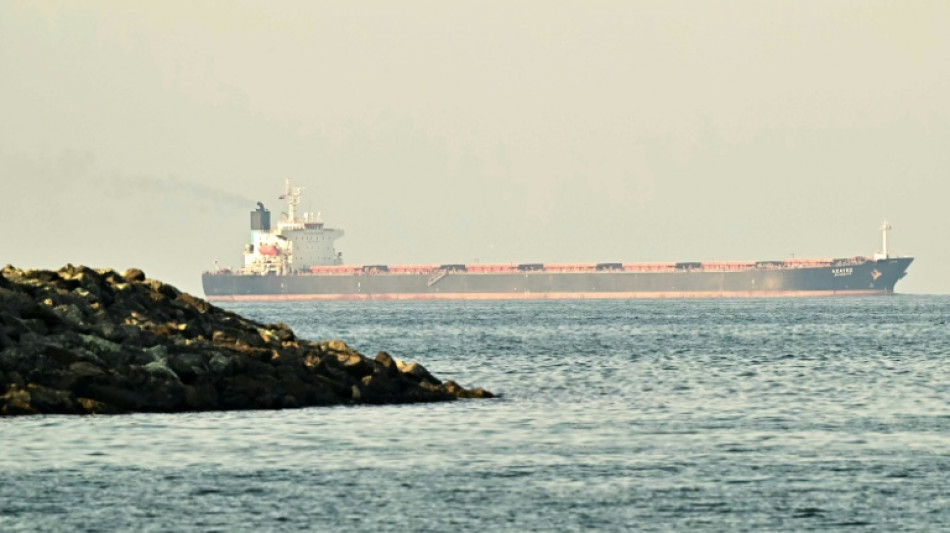
Securing the Strait of Hormuz: Tactics and threats / Photo: Giuseppe CACACE - AFP

 'No' camp seen winning Iceland's EU referendum

 Nepal flood survivors return to ruins to salvage memories
 Killing of Palestinian children and teens by Israel surges in West Bank

 Educators keep 9/11 memory alive for next generation, 25 years on

 Venezuelans view US oil deal with doubt, hope

 Gobena and Jepchirchir power to Sydney Marathon victories

 Iceland in suspense after close EU vote

 Wallabies hold on for victory in Argentina

 Juve notch second straight win, Fiorentina's centenary party falls flat

 Rybakina eases injury fears ahead of US Open
 Djokovic kicks off latest Grand Slam quest under US Open lights

 'Sorry' De Zerbi won't panic after Spurs shambles
 UN, Nepal warn of climate threat after deadly floods
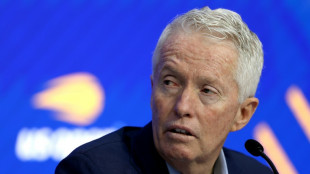 USTA boss says structure of new player council not yet set

 Tiny Elversberg stun Leverkusen on Bundesliga debut, Dortmund beat Hamburg

 Ankle ligament tear ends Neeraj Chopra’s 2026 season

 Police appeal for footage after life-threatening Stratford assault

 Family searches for Boston engineer missing after Nepal-Tibet floods

 Dolly Parton’s Imagination Library leaves global children’s reading legacy

 Five college football games that could shape the 2026 season

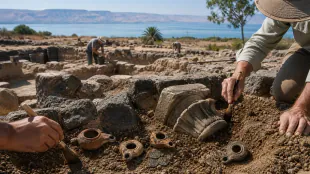 New finds strengthen case for Bethsaida at Sea of Galilee site

 Felony assaults on older New Yorkers rise sharply, police data show

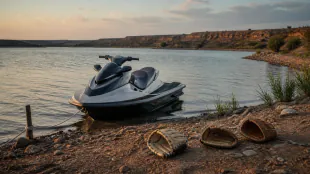 Three Texas Tech softball players hurt in jet ski collision

 Tambaram civic groups seek action on eight long-pending issues

 Chennai councillors unite across parties to demand ward development funds

President Donald Trump is pressuring allies to help secure the Strait of Hormuz, a key maritime choke point that has effectively been closed by Iran in response to the US-Israeli war launched last month.
Trump highlighted the dangers in remarks on Monday, noting that a "single terrorist" could "put something in the water" or shoot a missile at ships transiting the narrow waterway bordering the Islamic republic.
Trump said a number of countries that he did not specify had committed to help, while taking aim at others that were not "enthusiastic" about doing so.
AFP examines how an escort mission could work, and the threats to vessels in the strait.
- Escorting ships -
In an escort mission, navy ships would seek to provide cover for tankers going through the Strait of Hormuz and also respond if the commercial ships were fired upon, said Jonathan Schroden, chief research officer at the Center for Naval Analyses, near Washington.
"They would try to do it in more of a convoy kind of manner... where you muster up a handful of tankers and then you have one or several navy ships escort them through," he said.
Smaller vessels such as destroyers and frigates would be best suited for the mission, which could also involve air cover from helicopters, fixed-wing aircraft, or both.
"Navy surface ships with some degree of air support would be primarily how you would do that," Schroden said.
- Mines -
The US Navy escorted tankers through the Gulf to protect them from Iranian attacks during the Iran-Iraq war in the 1980s. Mines were a threat during that operation -- dubbed Earnest Will -- and could be again.
Trump said Monday that the United States had hit all of Iran's mine-laying ships -- destroying more than 30 of them -- but that the mines could be transferred to other vessels for deployment.
Schroden also noted that Iran had "multiple means of putting (mines) into the water."
Trump added that Washington did not know if any mines had actually been placed in the Strait of Hormuz by Iran.
- Missiles, drones, boats -
Washington says Iran's navy has largely been destroyed, but Tehran has missiles, drones and small attack vessels that could also be used to threaten maritime traffic in the Strait of Hormuz.
Iran's "small boats and fast attack craft... have a variety of armaments on them that they could launch to try and... hit tankers or navy ships at a surface level," Schroden said.
They also have "a whole host of missiles that they can bring to bear. And then they have... Shahed drones and other drones that they manufacture that they could also employ," he said, referring to Iran's extensive arsenal of one-way attack drones.
"They have a wide variety of threats that they can bring to bear," Schroden added.
S.Pimentel--PC