Oil soars 10% after Qatar energy sites hit in Mideast war / Photo: Jim WATSON - AFP

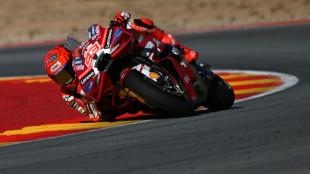 Bezzecchi takes Aragon MotoGP pole, Marc Marquez ripostes in sprint

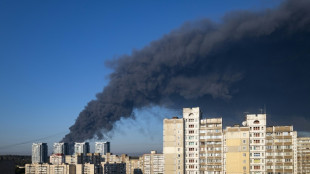 Russia strike blows up arms depot near Kyiv, killing 37
 Norway, in mourning, enters a new era under King Haakon VIII
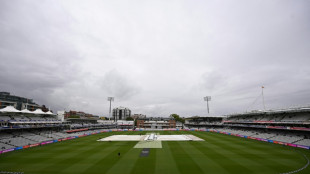 Rain frustrates England's bid for Pakistan series win
 Rafael Leao leaving AC Milan for Galatasaray

 College Values Debate Puts Harvard and Columbia Under Parental Scrutiny

 Michelle Obama Says She Welcomes Life After Active Parenting Years
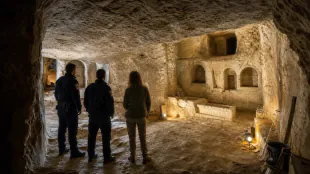
 Court Dispute Features Alleged Racist Texts Attributed to Milo Yiannopoulos

 TMZ Poll Invites Readers to Weigh Week’s Celebrity and Political Stories

 Influencers Agree to Keep Producing Joint Content During Divorce

 Ray J Open to Settling Blueface Dispute in Paid Boxing Match

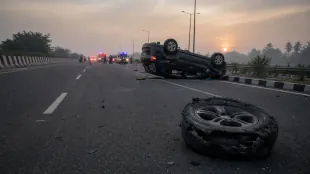 Three Students Die, Four Injured in Madurantakam Car Crash
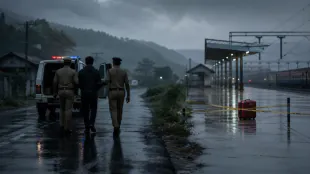
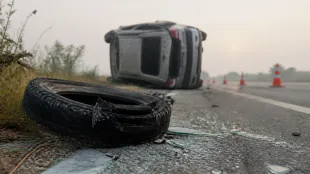 SUV Tyre Failure Kills Three Chennai College Students
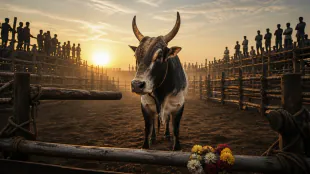 TVK Legislator’s Jallikattu Criticism Draws Demand for Party Clarification

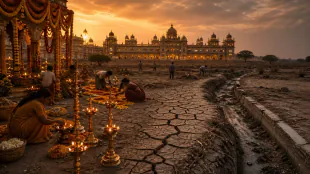 Karnataka Rules Out Smaller Mysuru Dasara Despite Drought
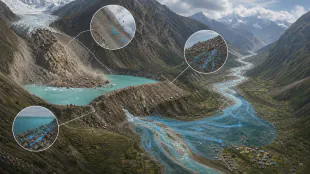 Nepal Flood Zone Faces New Threat From Landslide-Formed Lakes
 Week 0 Betting Promotions Span Sportsbooks and Prediction Markets
 Notre Dame, LSU and Utah Selected at Different Levels of College Football Title Market

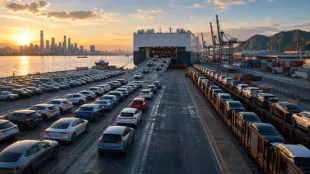 China Auto Exports Surge as Industry Moves Toward Overseas Production
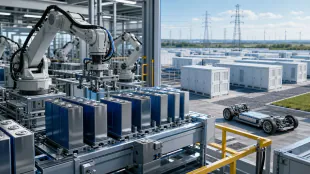
 RoboSense Robotics Revenue Expands as New Sensor and Joint Products Near Production

 KFF Journalists Address Measles, Vaccines, Food Recalls and Health Policy

 Study Finds Psilocybin Makes Brain Activity More Responsive to Immediate Experience

 Technology Companies Warn Organizations Have Months to Prepare for AI Cyberattacks
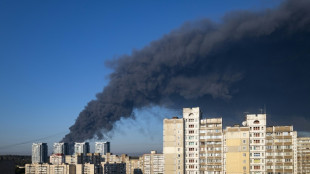
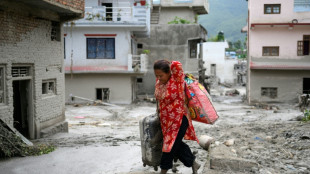
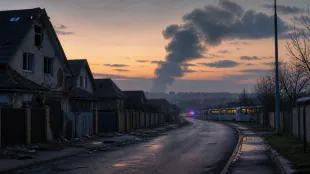
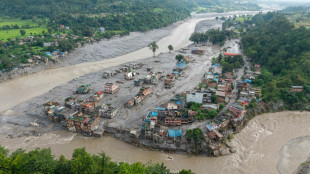 Nepalis cling to hope for missing, three days after disaster
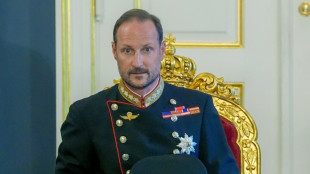
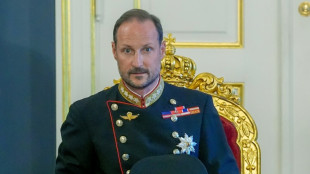 Norway mourns passing of King Harald as son King Haakon VIII ascends throne
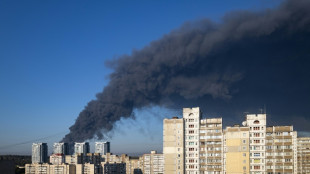
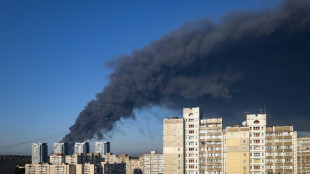
Oil prices soared 10 percent Thursday after Qatar reported "extensive" damage to the world's largest liquefied natural gas (LNG) facility following Iranian strikes, sparking fears for global energy supplies.
The price of European gas also jumped 35 percent after Tehran carried out attacks on Qatar's huge Ras Laffan LNG facility in retaliation for an Israeli strike Wednesday on Iran's South Pars gas field.
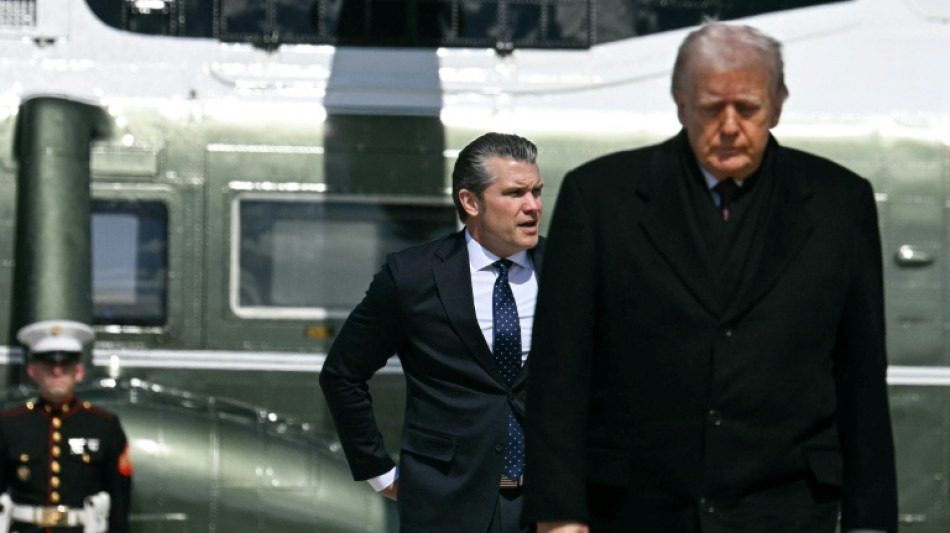
US President Donald Trump -- whose country started the war alongside Israel with their joint attack on Iran on February 28 -- said Washington did not know about the strike on South Pars, part of the world's largest natural gas reservoir.
But he warned the United States would "blow up" the Iranian gas field itself if Tehran did not stop attacking Qatar.
Qatar is one of the world's top liquefied natural gas producers, alongside the United States, Australia and Russia, and its Ras Laffan facility is the world's largest LNG hub.
It has been repeatedly targeted by Iran since the war began, and state-run QatarEnergy said Thursday that two waves of Iranian strikes had caused "sizeable fires and extensive further damage" to several LNG facilities.
Energy prices had already spiralled since tanker traffic through the Strait of Hormuz, which normally carries a fifth of the world's oil and LNG, was brought to a near standstill by the threat of Iranian attacks.
But analysts said the targeting of energy production facilities, not just storage depots and transport, is on a different scale.
French President Emmanuel Macron warned Thursday of a "reckless escalation", warning that if Middle Eastern energy "production capacities themselves are destroyed, this war will have a much more lasting impact".
He called for "direct talks between the Americans and Iranians on this matter".
- Saudi attacks -
The attack on Qatar's hub "marks a significant escalation in the Middle East war," Theresa Fallon, director of the Centre for Russia Europe Asia Studies, wrote on X.
"The economic effect will likely be felt for years."
Strikes were also reported Thursday on energy infrastructure in Kuwait, where two oil refineries were hit by drones, and Saudi Arabia.
Saudi Arabia said it reserved the "right to take military actions" if necessary after repeated missile and drone attacks from Iran.
The defence ministry said a drone crashed into the Samref refinery in the industrial zone of the Red Sea port of Yanbu, adding that damage assessment was underway.
Gulf nations had strongly criticised the attack on Iran's South Pars gas field, which supplies around 70 percent of the country's domestic natural gas.
It is also part of the South Pars/North Dome megafield, the largest known gas reserve in the world that is shared with Qatar.
Qatar called the attack "dangerous and irresponsible", while the neighbouring United Arab Emirates offered a rare rebuke, calling it a "dangerous escalation".
"Targeting energy infrastructure poses a direct threat to global energy security," the UAE foreign ministry said.
After Iran's retaliatory attack on its Ras Laffan hub, Qatar ordered Iran's military and security attaches along with their staff to leave the country.
- 'Blood comes at a price' -
Iran's supreme leader was killed at the start of the war, and Israel this week killed national security chief Ali Larijani and intelligence chief Esmail Khatib as part of a long-standing strategy to take out their enemies' leaders.
New supreme leader Mojtaba Khamenei, who has not been seen in public since he was appointed to succeed his slain father, vowed retaliation.
"Every drop of spilled blood comes at a price, and the criminal murderers of these martyrs will soon have to pay it," read a message posted late Wednesday on Mojtaba Khamenei's official Telegram channel.
A US-based rights group has reported more than 3,000 people killed in Iran by the US-Israeli strikes, a figure that could not be independently verified.
Yet Tehran is still unleashing missile and drone attacks across the Middle East.
US intelligence chief Tulsi Gabbard told Congress the Iranian government remained "intact but largely degraded".
- 'War of attrition' -
In the Iranian capital on Thursday, there was little to suggest a country mired in war.
On the eve of Nowruz, the Persian New Year typically marked with celebrations, the city centre filled as usual with traffic jams and street vendors haggling over the price of clothing and fruit.
However, the security presence was even greater than usual, with heavily armed security forces visible on certain thoroughfares as well as an increased number of armoured vehicles.
"The conflict is drifting into a war of attrition — with no clear signs of regime collapse in Iran," said Danny Citrinowicz, a senior fellow at Israel's Institute for National Security Studies, on X.
In a post on social media, Trump late Wednesday said Israel had "violently lashed out" in "anger" in attacking the Iran gas hub.
He said that "no more attacks will be made by Israel" on South Pars unless Iran continues to attack Qatar, in which case the US "will massively blow up the entirety" of the field.
Citrinowicz said the attacks on the gas facilities underscored gaps between Israel and Washington on how to proceed.
And they "underscored just how unstructured this campaign has become -- lacking strategic clarity, long-term planning, and a defined end state".
burs-ar/ser
P.Mira--PC