Gulf's decades-long strategy of sporting investment rocked by Mideast war / Photo: Fadel SENNA - AFP/File

 In war-split Myanmar 'spirit consorts' commune across divide
 Leaders of Russia, China, Iran to attend summit in Kyrgyzstan
 Hovland and Gerard share lead at Tour Championship
 Maresca salutes 'unbelievable' Cherki after Man City star sinks Palace
 Marquinhos rescues last-gasp draw for PSG at Lille in Ligue 1

 ICE detains British far-right activist Milo Yiannopoulos in Louisiana

 Milo Yiannopoulos held by ICE after missing immigration hearing

 Six Flags closes X2 rollercoaster after reports of severe brain injuries
 Jury ends second day without verdict in Lindsay Clancy murder trial
 Artist says criticised Ronnie O'Sullivan mural is unfinished
 UAE grants Starlink 10-year satellite broadband licence

 US says Hormuz mines cleared as diplomacy and military deployments continue
 Nepal-Tibet flood toll reaches 584 as more than 2,400 remain missing
 Cherki makes his point to Maresca as Man City sparkle in Palace rout
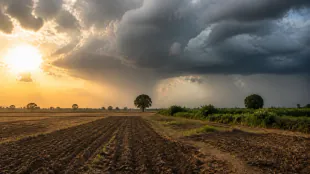
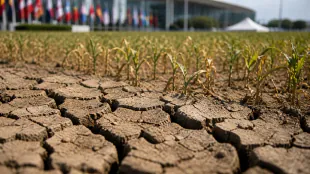 COP17 soil assessment links worsening land degradation to food and nutrition risks

 Medical AI paper predicts autonomous systems could outperform doctors in core clinical tasks by 2030

 REI Labor Day sale runs through September 7 with outdoor gear discounts

 Meta tests robots for cabling, server resets and maintenance inside data centers

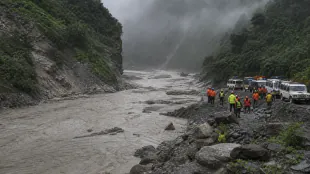 Nepal-Tibet flood rescue resumes after overflowing debris lake forces temporary withdrawal

 Extreme heat exposes vulnerabilities across Britain's rail network
 Dollar rallies after Fed chief lifts rate expectations
 Slumping Sabalenka 'confident' ahead of US Open three-peat bid
 Aston Villa seal swoop for Chelsea striker Jackson
 Number of missing in deadly Nepal, China floods jumps past 2,400
 Birmingham City Seek First Championship Win Against Wrexham
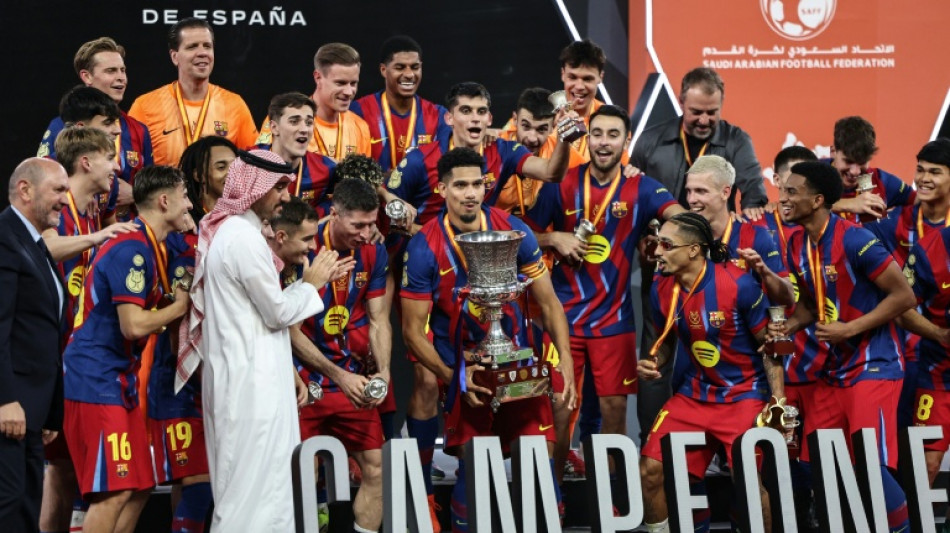
Around 80,000 fans were hoping to see Lionel Messi take on Lamine Yamal in Doha, while thousands more were gearing up for the F1 grands prix in Bahrain and Saudi Arabia, but the war in the Middle East had other plans.
The Gulf countries have invested vast sums of money in bringing global sporting events to their shores as they try to diversify their hydrocarbon-dependant economies and improve their images abroad.
But weeks of repeated drone and missile attacks from Iran, in retaliation against ongoing US-Israeli bombing, have put paid to that strategy, for now at least.
Since the start of war in February, dozens of events due to be held in the Gulf have been cancelled or postponed.
They include football's "Finalissima", which would have pitted European champions Spain against Copa America winners Argentina in Doha, two Formula One grands prix, the Qatari round of motorsport's World Endurance Championship, Asian Champions League matches and the Qatar Moto GP grand prix.
"I was looking forward to seeing the match of a lifetime between Messi and Yamal, a clash between the old and new generations, but sadly this opportunity was not to be," lamented Rabih, a 45-year-old Barcelona fan living in Doha.
- 'Significant reputational damage' -
The Gulf region "projected itself as an island of stability", said James Dorsey at Singapore's S. Rajaratnam School of International Studies.
The states have spent billions of dollars to obtain hosting rights and put on such events, building ultramodern stadiums and modernising infrastructure.
Qatar hosted the World Cup in 2022, one of the sporting world's crown jewels and a climactic moment for the country's strategy.
Saudi Arabia is hoping to repeat the trick and is scheduled to host in 2034.
Sport is just one plank of a wider programme, with enormous investments in data centres joining glittering mega-projects designed to draw in tourists and wealthy expats.
Now though, the Gulf has suffered "significant reputational damage" that will need to be repaired Dorsey said, for sports as well as other economic sectors.
Jaber Al-Harmi, editor of Qatar's Al-Sharq newspaper, told AFP that for many events "major preparations had been undertaken... with only a few days or weeks left before the competitions were due to start".
"All of that has been lost."
He said that the confidence of sponsors "is a major challenge", but that sports would continue to be a priority for the Gulf states.
"That strategy won't be called into question."
- Three pillars -
Danyel Reiche, an expert in the politics of sport at the UAE University said he had "no concerns that events will return to the Gulf after the war has ended".
He said the region's sporting strategy was built on three pillars: sponsoring events, clubs and federations; buying football clubs and other sports teams, such as the UAE's ownership of Manchester City and Qatar's purchase of Paris Saint-Germain and hosting events.
"Only the latter is affected by the war," he said.
"Once the war ends, international sporting federations will not hesitate to return to the Gulf, which has proved to be a financially lucrative, professional and reliable location," he said.
"To regain trust, Gulf countries might even expand their sponsorship activities."
Many more events are already in the calendar.
Saudi Arabia is due to host the 2027 Asian Cup, while Qatar will host that year's basketball world cup and intends to bid for the 2036 Olympics.
Much will depend on how the war ends, said Dorsey. If Iran's government changes, that could boost Qatar's chances of hosting the summer games.
But if there is chaos, or a more hardline Iranian government, organising major events in the Gulf would be "extremely difficult".
A.P.Maia--PC