-
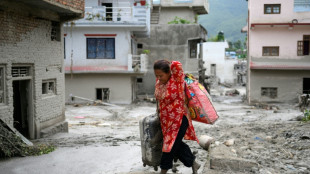 Number of missing in Nepal, China floods soars past 2,400
-
Leaders of Russia, China, Iran to attend summit in Kyrgyzstan
-
 Trump announces deal for huge US stake in Venezuelan oil reserves
-
Hovland and Gerard share lead at Tour Championship

-
 Kane confirms talks on Bayern extension
-
Maresca salutes 'unbelievable' Cherki after Man City star sinks Palace

-
 Trump govt. mulls deal to give away part of Yosemite park
-
Marquinhos rescues last-gasp draw for PSG at Lille in Ligue 1

-
 Indian release of Sonia Gandhi memoir uncertain after publisher clarification
-
ICE detains British far-right activist Milo Yiannopoulos in Louisiana

-
 Cities show cleaner transport policies can reduce severe air pollution
-
Milo Yiannopoulos held by ICE after missing immigration hearing

-
 Four patients harmed in Nashville hospital medication mix-up
-
Six Flags closes X2 rollercoaster after reports of severe brain injuries

-
 Essex council hires private guards as Wethersfield asylum centre expands
-
Jury ends second day without verdict in Lindsay Clancy murder trial

-
 Haakon VIII becomes Norway's king after Harald V dies at 89
-
Artist says criticised Ronnie O'Sullivan mural is unfinished

-
 Six injured after sign falls at Christian festival in West Sussex
-
UAE grants Starlink 10-year satellite broadband licence

-
 Dubai airport expands scanners that keep laptops and liquids in bags
-
US says Hormuz mines cleared as diplomacy and military deployments continue

-
 Kuwait and Pakistan sign military cooperation agreement
-
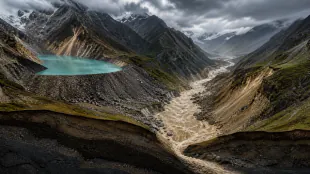
Nepal-Tibet flood toll reaches 584 as more than 2,400 remain missing
-
 Ramos strikes as AC Milan beat Venezia
-
Cherki makes his point to Maresca as Man City sparkle in Palace rout

-
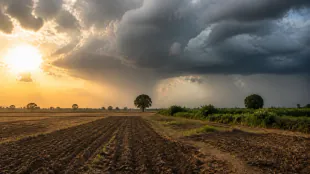 Odisha faces very heavy rain as Sri Ganganagar reaches 41.4C
-
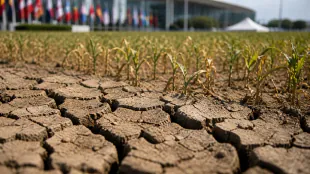
COP17 soil assessment links worsening land degradation to food and nutrition risks
-
 Scammers in China exploit Microsoft Teams and other workplace apps to target victims
-
Medical AI paper predicts autonomous systems could outperform doctors in core clinical tasks by 2030

-
 GSA employees report mice, ceiling damage and cloudy water after Washington office move
-
REI Labor Day sale runs through September 7 with outdoor gear discounts

-
 Cara and former scraper develop open-source tool to alert artists when work appears in AI datasets
-
Meta tests robots for cabling, server resets and maintenance inside data centers

-
 Google expands easier file sharing between Android phones and Apple devices
-
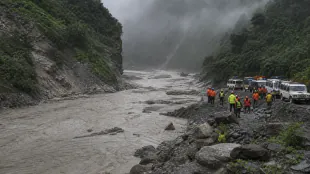
Nepal-Tibet flood rescue resumes after overflowing debris lake forces temporary withdrawal
-
 UK chefs turn to induction cooking to reduce kitchen heat, energy use and pollution
-
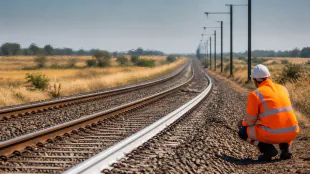
Extreme heat exposes vulnerabilities across Britain's rail network
-
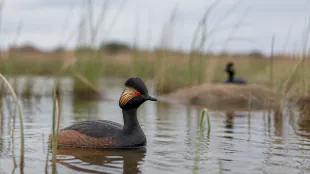 Restored Cheshire wetland becomes key UK breeding site for black-necked grebes
-
Dollar rallies after Fed chief lifts rate expectations
-
 Bayern steamroll Stuttgart in Bundesliga opener
-
Slumping Sabalenka 'confident' ahead of US Open three-peat bid

-
 England pace quartet might keep Archer going until he is 40
-
Aston Villa seal swoop for Chelsea striker Jackson

-
 Driven by distraction? Trump steps up stunts as US midterms loom
-
Number of missing in deadly Nepal, China floods jumps past 2,400
-
 Springboks a wounded beast, warns All Blacks captain Savea
-
Birmingham City Seek First Championship Win Against Wrexham

-
 Trump announces new US 'Space Academy'
-
Four-wicket Robinson stars as Pakistan collapse in second Test

Kenya, Uganda double down on rail extension burdened by Chinese debt
The presidents of Kenya and Uganda met near their shared border Saturday to mark the multi-billion-dollar, long-delayed extension of a Chinese-built railway that has left Kenya heavily in debt.
The Standard Gauge Railway, built from 2013 to 2019, connects the Kenyan port of Mombasa to its capital Nairobi, and on to the lake town of Naivasha, but China refused further lending before it could be extended to Uganda as planned.
Kenya now spends roughly $1 billion a year servicing Chinese debt, most of it borrowed to build the railway.
That is far more than the line generates in revenue -- around $165 million last year -- even if passenger and cargo numbers have been growing strongly over the past year.
A report by Kenya's auditor general last year found more than $260 million had been wasted just on penalties and interest from late debt payments.
Yet despite the controversy over the cost, Kenya has been keen to finish the line.
Kenyan President William Ruto said the rail link will "define generations", speaking at a ceremony in grand pomp and circumstance with his Ugandan counterpart Yoweri Museveni in Kisumu, near the Kenya-Uganda border.
Ruto argued the line would slash logistics costs that "undermine competitiveness" in east Africa.
If the ambitious building schedule is to be believed, the line is due to reach Kisumu by June 2027. The next phase will then take the line to Malaba, a town on the border.
"Cargo takes an average of 80 hours to move from Mombasa to Malaba and more than 100 hours to reach Kampala," the Ugandan capital, Ruto said.
"We cannot build prosperity on inefficiency."
- 'Irrational and wasteful' -
Museveni said the line would reduce the inefficiencies in his own country's infrastructure.
"The railway is part of the rationalisation of our transport system, especially on the Uganda side, which is irrational and wasteful," the veteran leader told the ceremony.
Later, he posted on X that "by shifting bulk cargo from roads to rail and pipelines, we reduce transport costs, protect infrastructure and improve efficiency".
Ruto broke ground on the next phase in Narok County on Thursday, arguing that it will create jobs and reduce road congestion.
"We have thought through this project (and)... its finance," he insisted.
Treasury estimates say the overall cost will be more than 500 billion shillings ($3.9 billion), according to Kenya's Business Daily.
Kenya is not taking more cash from Chinese banks this time -- instead borrowing against future cargo taxes -- though it is partnering with Chinese transport firms to build the new phase.
China lent Kenya $9.7 billion between 2000 and 2019, according to the Chinese Loans to Africa Database by Boston University, with around half of that going to the railway.
It stopped lending from 2020 to 2023 as Kenya struggled to make repayments, at a time when China revised its broader lending strategy in Africa.
Kenya considers the railway extension crucial for strengthening trade through east and central Africa, hoping to reach landlocked countries such as Uganda, Rwanda, South Sudan and the mineral-rich Democratic Republic of Congo.
G.M.Castelo--PC