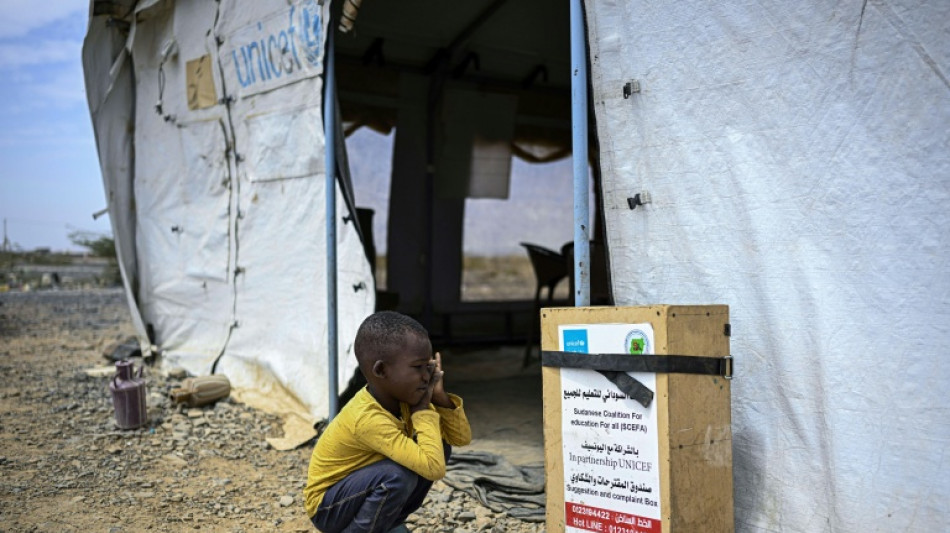
Middle East war hammering aid supply chains: UN / Photo: Khaled DESOUKI - AFP

 Pallister stuns Ledecky in Pan Pacs 800m free as two world records carry Douglass to gold

 Rampant Bangladesh make history with first-ever Test win in Australia

 UK's media-savvy PM Burnham shifts messaging to TikTok, podcasts
 Gay badminton star Gilmour urges progress on LGBTQ rights in Asia
 Pallister takes down Ledecky in Pan Pacs 800m freestyle

 Douglass breaks 50m free world record again to claim Pan Pacs gold

 As Opel turns to Chinese partners, its hometown frets about the future

 Mehidy takes three as Bangladesh close on historic win in Australia
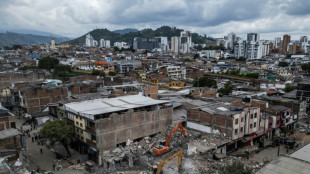 Hope fades for finding surivivors of Colombia quake as rescued woman dies
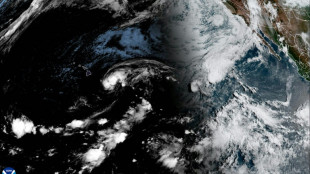 Hurricane Lala dumps heavy rain on Hawaii

 Jaded voters, same old choices: Brazil kicks off election campaign
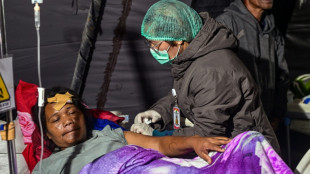
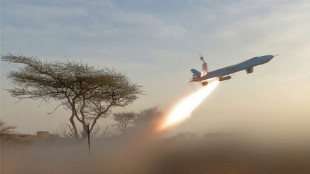 'Everyone lives in fear': Yemenis worry about return to all-out war

 Cardinals' Baez bashes record three homers in MLB debut

 Djokovic feels the heat in Cincinnati opening defeat

 Hunt bags third Euro gold, Diaz shines in triple jump

 Depleted Djokovic falls in Cincinnati Masters opener

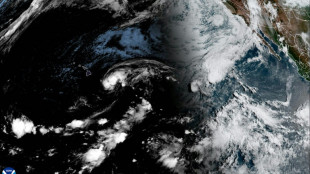 Lala, now a hurricane, dumps heavy rain on Hawaii

 American Kate Douglass reclaims 50m freestyle world record

 Kit confusion disrupts Newcastle friendly against Leverkusen

 Marchand wins first Euros gold as Liebmann breaks 1500m free world record

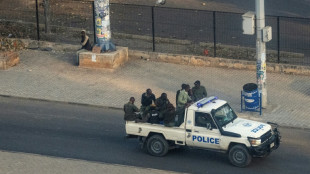 Zambia's vote marred by intimidation, counting pause: observers
 Marchand wins 200m butterfly for first Euros gold
 Fernandez booed by Chelsea fans in friendly win over Sociedad
 Fans line Welsh streets as Bonnie Tyler body's returns for funeral

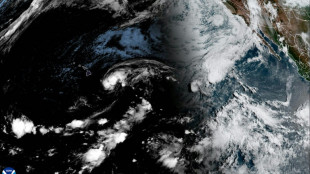 Tropical Storm Lala lashes Hawaii with heavy rain
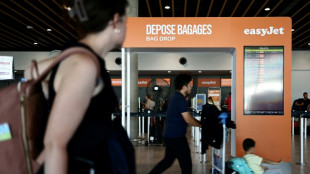
Even if the Middle East war stopped immediately, disrupted global humanitarian supply lines would not recover before 2027, the United Nations said Tuesday.
Nearly 100 days on from the February 28 US-Israeli attacks on Iran that triggered the conflict, the fall-out extends far beyond the Middle East region, said Jean-Cedric Meeus, chief of global transport and logistics for the UN children's agency UNICEF.
"The disruption to the global humanitarian supply chain is impacting children across all the globe, with continued congestion in global supply chain routes and higher costs," he told a press conference in Geneva, speaking from Mogadishu in Somalia.
Weeks of indirect US-Iran talks, threats and airstrikes have failed to end the war or reopen the Strait of Hormuz, the key shipping channel for Gulf oil and gas.
"What begins like a disruption from lanes into the Middle East, the Hormuz Strait, spirals directly into humanitarian crisis," said Meeus.
"For UNICEF, persistent delays and high operational costs, when they come into the context of global funding crisis, are already causing impossible choices.
"Behind this cascading disruption is a simple but brutal equation," he said, with every extra dollar spent on transport meaning less money spent on aid for children.
The logistics chief said air freight capacity had tightened across the Middle East, some airlines had stopped serving certain African destinations and port congestion was spreading across Africa.
He said air freight costs for vaccines from India to Nigeria and the Democratic Republic of Congo had increased by 50 to 70 percent.
"There are so many ripple effects," he said.
Even "if we come to an agreement and the Strait of Hormuz is reopened, the situation will not improve before the end of the year" for UNICEF's supply lines, said Meeus.
- Impacts could linger -
UNCTAD, the UN trade and development agency, said oil price shocks from the war were having a heavy impact on developing countries forced to choose between financing essential imports and other priorities.
"A geopolitical shock is becoming a development shock for countries with the least capacity to absorb it," said UNCTAD spokesman Marcelo Risi.
"Whenever a ceasefire or even a peace agreement is reached, these impacts linger over time: they don't fade away, and some might become even structural."
Meanwhile the World Health Organization reported continued deterioration in fuel availability and health system resilience.
The most severe impacts are concentrated in Cuba, Gaza, South Sudan, Somalia, Ethiopia, Sudan and Yemen, said WHO spokesman Christian Lindmeier.
"Refined fuel shortages, particularly diesel, remain the principal operational threat to health systems because of dependence on generators, cold chains, ambulances, water systems and humanitarian logistics," he said.
P.Queiroz--PC