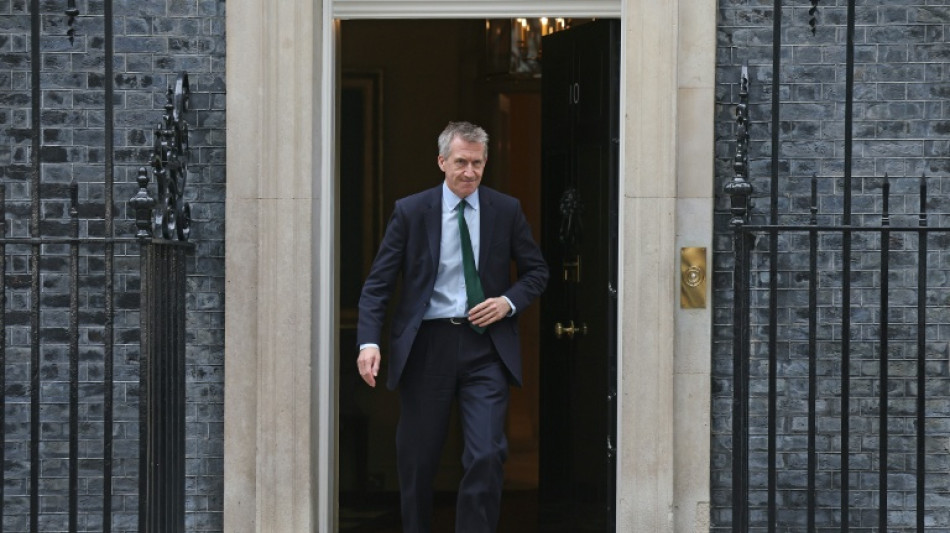
UK faces hard choices over military spending: analysts / Photo: Toby Shepheard - AFP

 Brazilian police recover Matisse works stolen in 2025
 Exiled Putin critic says push for peace put him in danger
 EU to study potential vaccine for Lyme disease: companies

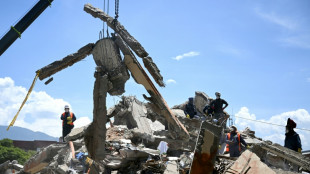 Colombia vows to find all missing quake victims as rescue hopes fade
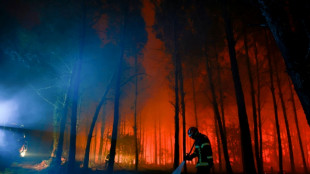
 Farage wins UK by-election as Count Binface claims 'moral victory'

 TROJAN: 더욱 위험해진 정치 시기를 위한 특별 보호 조치

 《特洛伊木馬》:在政治局勢日趨險惡的時代,提供特別保護

 TROJAN: спеціальний захист для більш небезпечних політичних часів

 Thai schools step up security after deadly shooting
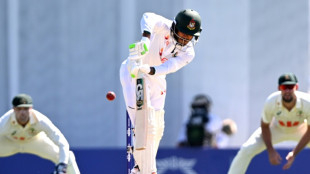
 Thousands stranded as heavy rain kills at least four in Japan
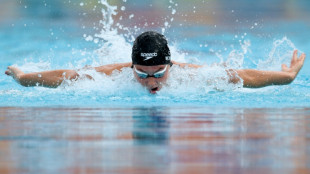 McIntosh bounces back with 400m medley win at Pan Pacs
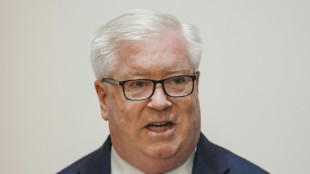
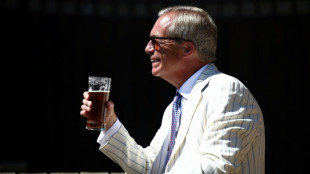 Farage declares victory as count still underway in UK by-election

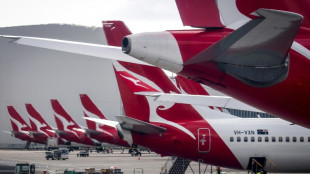 Australia probes three near-misses at Sydney Airport
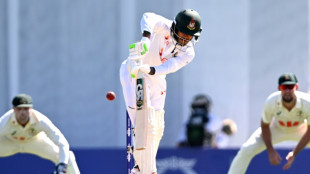 Classy Tanzid puts Bangladesh in firm charge against Australia

 Schwarber smacks two homers to power Philles' MLB Field of Dreams win
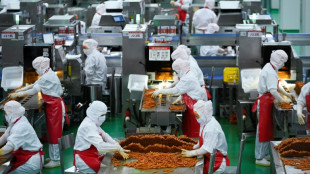
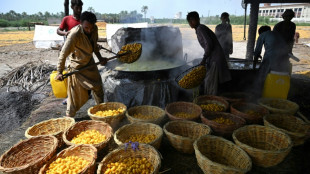 Pakistan's date workers toil through rising heat
 New trend of injecting banned peptides to 'optimise' body

 Eddie Jones senses Japan's time has come against Australia
 UK vote count under way in Farage, Binface showdown
 US, Mexico conduct security exercises near border
 Swiatek rolls past Rybakina for WTA Toronto title
 Vance says low oil prices are top US goal in Iran conflict

 Hunt bags Euro sprint double, Ceh keeps discus title
 'Dream come true': Owners reunite with pets in quake-hit Colombia
 US stocks gain after benign inflation data, oil prices retreat
The shock resignations of two UK defence ministers has thrown British military resources into the spotlight, after they slammed upcoming spending plans for falling short and lacking innovation.
Prime Minister Keir Starmer on Thursday named as his new Defence Secretary Dan Jarvis, a former officer in the Parachute Regiment once nicknamed the "steely-eyed messenger of death".
Here's what we know about the UK government's long-awaited -- but yet to be published -- Defence Investment Plan (DIP) for spending over the next decade and the military's strained resources.
- Underfunding -
The Ministry of Defence (MoD) budget reportedly faces a £28 billion shortfall between now and 2030.
In his stinging resignation letter, defence secretary John Healey accused Prime Minister Keir Starmer and the finance ministry of failing to commit the resources needed to "defend the country at this time of rising threats".
Despite the need to bolster military readiness in the next two years, Healey said extra support for defence was "backloaded" to arrive towards the end of the decade-long timeline.
This means the "growth path to reach spending targets is likely following a 'hockey-stick' trajectory with much of the uplifts falling in the final years of a deadline," Fenella McGerty of the International Institute for Strategic Studies told AFP.
US President Donald Trump has repeatedly urged NATO allies to spend more and become less reliant on Washington for their security.
Starmer has vowed to raise defence spending to 2.5 percent of GDP (economic output) from next year, increasing to three percent if Labour wins the next general election, expected in 2029, before reaching 3.5 percent in 2035.
This would only cover operations "very much focused on the mainland and the near vicinity of the UK," said Jamie Gaskarth of Chatham House think tank.
Nick Reynolds, an expert in land warfare at Royal United Services Institute, told AFP the UK needed to "make serious choices in what it can do and what it can't".
The army and navy both need to refurbish, he said, which will require a "significant increase in the defence budget", even before modernisation.
When the Middle East war began in February with US-Israeli strikes on Iran, it took the Royal Navy weeks to deploy one ship to reassure allies.
This is due to "a long-term trend ... to have less and less kit that's more and more sophisticated", said Gaskarth.
"It actually means in a crisis you can no longer rely on the idea that you will have assets in place in different regions around the world."
- Drones -
Armed forces minister Al Carns followed his boss Healey out of the door Thursday.
He told the BBC on Friday the investment plan looked at "how to fight the last war rather than the next one", with a "lack of innovation and lessons learned from Ukraine".
Carns told GB News that he wanted more funding for uncrewed systems, since "data is the new gunpowder."
The unpublished plan places too much emphasis on traditional hardware such as ships, tanks and fighter jets, according to unnamed senior military figures quoted by The Times.
It should prioritise new technologies including AI-enabled software, space and cyber capabilities, hypersonic missiles and cheap drones, some argued.
Drones are a "cheap, highly precise artillery system" and give "a lot more range than traditional artillery," said Reynolds.
"So it's essential they are part of the force structure, because they can grant an affordable volume of lethal capability."
The UK is "investing in drones but it's not a wholesale shift," said Gaskarth, and the focus has been on domestic production rather than outsourcing to Ukraine.
"The senior policy makers, service chiefs and politicians are saying that the threat to the UK is increasing and it's immediate," he added.
"And yet, the pace of reform in defence has been really slow."
The defence plan has been repeatedly delayed, but Starmer has insisted he will publish it before a NATO summit in Turkey on July 7.
- Who is the enemy? -
Since Moscow's invasion of Ukraine in 2022, the focus has been on Russia as the most urgent threat with concern over China longer-term.
"The most immediate and the most pressing (threat) is Russia," said Gaskarth.
But "even though the UK might want to wish away China as a threat ... it's still there."
Carns wrote on Twitter on Friday that Britain had spent a "decade choosing to be smaller in the world".
"Right now the rules on communications, energy and trade are being rewritten. By China. By Russia. By countries that take their own security seriously. We need to be at that table. That's a choice we must make," he posted.
S.Pimentel--PC