-
 New mum Sjostrom wins 50m butterfly for 18th European gold
-
Lukaku joins Turkish side Fenerbahce from Napoli
-
 Solar eclipse darkens Arctic Russia on course for Spain
-
Colombia quake rescue efforts enter 'final phase' as toll hits 239
-
 Russian economy rebounds in second quarter despite Ukrainian strikes
-
Brazil orders suspension of Discord livestreams after teen suicide

-
 NBA's Los Angeles Lakers to be sold for $12.5 bn: ESPN
-
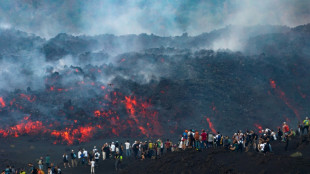
Tourists rush to Mount Etna as Italian volcano erupts
-
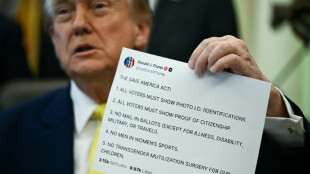 Trump sued over sale of access to Truth Social posts
-
Knot and Venmo Team Up to Make Venmo the Effortless Way to Pay

-
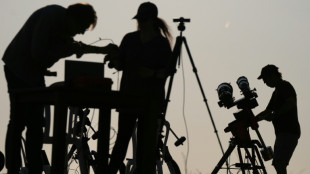 Europe looks to the skies as solar eclipse cast its shadow
-
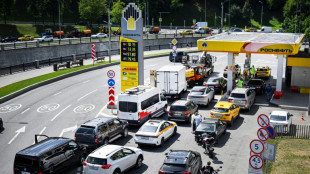
In Moscow, Russians worry about new fuel shortages
-
 At least 44 drown after ferry overturns on Zimbabwe's Lake Kariba
-
New space object 'black hole star' discovered by astronomers

-
 Grieving Argentine icon Messi unsure about playing on 'much longer'
-
England captain Root tells players to be 'adults' as he ditches curfew
-
 Nigeria kidnap victims escape 'hellfire' captivity beaten, malnourished
-
US inflation slows slightly in July despite elevated fuel prices
-
 Google unveils finder tag, new AI smartphone features
-
Total solar eclipse to cast its shadow over Europe

-
 US equities gain as inflation report eases fear of rate rise
-
US consumer inflation slows slightly in July despite elevated fuel prices
-
 Colombia declares three days mourning for quake victims
-
Warholm on track in bid for fourth Euro hurdles gold

-
 44 lives lost after ferry capsizes on Zimbabwe's Lake Kariba
-
Erdogan eyes expansion of regional defence pact

-
 WallStreetPR Releases Report on China’s Gold Purchases and African Mining Investment
-
Extreme weather, jellyfish knock one-fifth of France's nuclear capacity offline
-
 Former Chinese premier Zhu Rongji dies aged 97
-
Skywatchers gather in Europe to see total solar eclipse
-
 Markets steady awaiting US inflation data
-
Zhu Rongji, trailblazing ex-premier who transformed China's economy
-
 WHO says Trump vaccine shake-up goes against evidence
-
China tech giant Tencent's Q2 profit down as AI push builds

-
 Eclipse chasers flock to Spain for 'breathtaking' experience
-
China's C919 jet makes first international commercial flight

-
 'To make the civilians leave': Russia pummels Ukraine's petrol stations
-
Mideast war impact on travel bookings fading, TUI says
-
 Japan brushes off Australian PM's melon drama
-
Bangladesh get Das fitness boost for daunting Australia task
-
 Rod Stewart cancels tour dates after heart surgery
-
One dead, 172 rescued as second ferry in days catches fire in Indonesia
-
 How Britain's mapmakers track climate change
-
Foxconn posts quarterly profit surge on AI server demand

-
 Australian delivery drivers win 'world-leading' pay rise
-
Hazlewood gets Australia nod ahead of Boland for Bangladesh Test
-
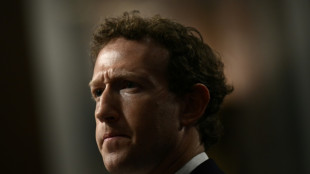 Meta meets its own 'tobacco' moment in court
-
Toyota ex-chief Okuda, pioneer of the Prius, dead at 93

-
 Art or medicine? Japan's cosmetic tattoo artists in limbo
-
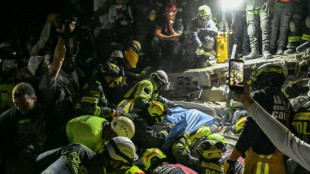
Colombia rescuers find woman alive as quake death toll passes 200
Mediators hail 'progress' in US-Iran talks after lengthy opening session
Iran's senior envoys left talks in Switzerland on Monday after a marathon negotiating session with the United States, state media reported, as mediators claimed progress towards a definitive US-Iran deal.
The host nation said conditions were set for technical talks to immediately follow, with the sides at the beginning of a 60-day period to secure a long-term settlement.
Last week, Tehran and Washington signed a memorandum of understanding laying the groundwork for the negotiations, after a 40-day war that was followed by weeks of an inconclusive and oft-breached ceasefire.
The negotiators aim to tackle some of the most intractable issues that have dogged US-Iranian relations for decades, including Tehran's nuclear programme and enriched uranium.
Foreign Ministry spokesman Esmaeil Baqaei said on Monday that "a very brief discussion took place regarding the nuclear issue, but there was no discussion of details" and that nuclear talks had not begun.
All the while, the war in Lebanon between Israel and Iran's close ally Hezbollah has threatened to collapse the ceasefire, though the country has been relatively calm since Sunday.
Israeli leaders have expressed deep misgivings over the deal signed last week and have insisted that their troops will continue to occupy southern Lebanon and are free to respond to any threats there.
Tehran and Washington, meanwhile, have set up communication lines to end the fighting in Lebanon and to keep the vital Strait of Hormuz open, mediators said, after the first round of talks.
Iran closed the strait, through which much of the world's oil and gas travels in peacetime, early in the war, sending economic shockwaves across the globe.
Before the conflict began, there was free international passage through the strait, but Tehran appears keen to monetise the waterway as part of any deal.
It is also set to get some form of sanctions relief from Washington, with some assets unfrozen.
- 'Roadmap' -
Mediators Pakistan and Qatar said the negotiators reached agreement on a "roadmap towards reaching a final deal within 60 days", with technical talks to continue for the rest of the week at the Swiss resort of Burgenstock.
"Encouraging progress has been made including the creation of a mechanism for further technical talks," they said, detailing a contact channel set up to "avoid incidents and miscommunication" in the Strait of Hormuz.
A "de-confliction cell", between the parties and the Lebanese authorities has also been agreed to prevent fighting from erupting again, they said.
"Tireless Pakistani and Qatari mediation has delivered major progress to end Lebanon War," Iran's Foreign Minister Abbas Araghchi wrote on X after the high-level talks in Switzerland.
"Oil and petrochem exports are waived, blockade lifted, some frozen assets released, and major reconstruction & development plan launched for Iran. 1st real test: Lebanon deconfliction cell," he wrote.
Switzerland's foreign ministry, meanwhile, said the talks had created "the conditions for the immediate resumption of new technical discussions".
There was no immediate reaction from US negotiators, but crude prices slipped while stocks mostly gained in Asia as the progress reported by mediators fuelled market optimism.
The development came after a shaky start to the negotiations, with the Islamic Republic's delegation walking out in response to US President Donald Trump's threats to strike Iran over its support for Hezbollah on Sunday.
- Proxies -
Trump had warned of new attacks on Iran if it did not "immediately stop their highly paid PROXIES in Lebanon from causing trouble".
Iran hit back with a warning of its own.
"They would do better to be careful with their statements; our armed forces are ready to respond to them in a different manner. No matter what they say, we are the ones who act," Iran's chief negotiator Mohammad Bagher Ghalibaf said.
By Monday morning, there had been no reports of Israeli strikes or continued fighting, with some residents of southern Lebanon cautiously trickling back to their homes.
Israel's military chief Lieutenant General Eyal Zamir visited troops in south Lebanon on Sunday, where he said Hezbollah was in a "very difficult position" and the army was ready to prevent it rebuilding.
The overall death toll from the fighting in Lebanon has now surpassed 4,100, the health ministry said.
Lebanon aside, there has been no indication that Iran's support for armed groups across the region, which has long drawn the ire of the US and Israel, will be addressed in the negotiations.
US Vice President JD Vance, who led the American delegation, had hailed the talks in Switzerland as "historic".
Flanked by presidential son-in-law Jared Kushner and envoy Steve Witkoff, Vance asked: "Can we turn over a new leaf? Can we change relations in the Middle East permanently?
R.Veloso--PC