Germany deploys 200-bn-euro shield in 'energy war' / Photo: Ina FASSBENDER - AFP/File

 What's behind the Pakistani strikes on Afghanistan?
 Hundreds protest for return of Nobel peace laureate Machado to Venezuela

 Aubameyang to miss two months for Deportivo after knee surgery

 Newsom says Trump presidency 'as we know it' ends in November
 Stocks fall as oil prices rise and bonds back under pressure
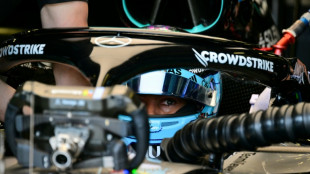 Russell leads Mercedes 1-2 in Azerbaijan GP practice

 Ukrainian kills priest, wounds four at Polish abbey
 Sri Lanka captain Mendis hits century in 321-6 against England
 Oscar-winner Cotillard fears being moved by AI actor
 Agassi demands proper break for exhausted tennis stars

 Seixas 'crushes' teammates in training to draw Pogacar comparisons
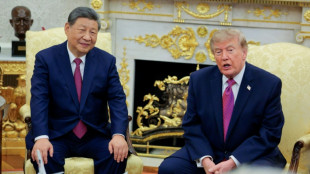
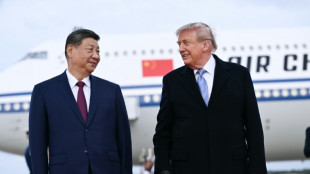
 Trump welcomes Xi to White House, touting agreement on AI

 Stocks fall, oil prices rise as global bonds back under pressure
 UK man died putting women, children first in Mozambique jihadist siege: coroner

 Russell leads Mercedes 1-2 at Azerbaijan GP practice
 Alcaraz shrugs off pressure of packed calendar at 'joyful' Laver Cup

 Fury to face British rival Joshua in Cardiff on December 11
 Streamex Converts Interest Into Capital as GLDY Investment Strategy Secures $1M+ Institutional Allocation

 STARTRADER Named Best Fintech Forex Broker at Forex Expo Dubai 2026
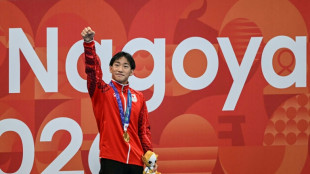 Japan swimmer Ohashi, 17, shrugs off Covid to smash world record
 Shin Ohashi: Junk food-loving teen and new world record-holder

 Greek PM urges 'courage' in talks with UK over Parthenon Marbles
 'I was drowning': Iran Nobel winner exposes pain of separation from children
 Israel's US envoy says son fighting for life
 Olympic champion Yulo completes gymnastics gold collection at Asian Games
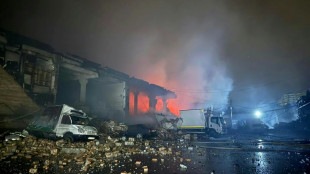
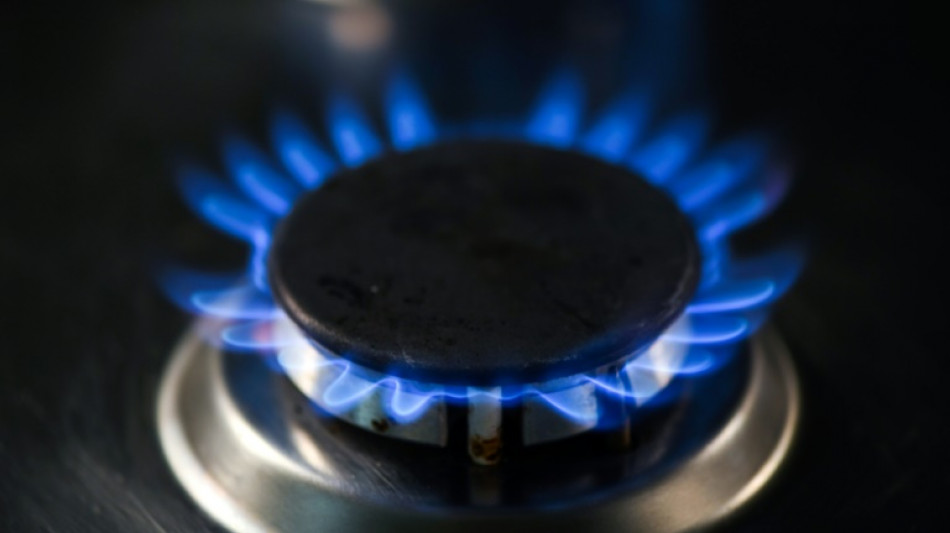
Germany on Thursday extended a 200-billion-euro ($194-billion) shield to protect households and businesses from skyrocketing power costs, as Europe's biggest economy found itself in an "energy war over prosperity and freedom" against Russia.
"The German government will do everything so that prices sink," Chancellor Olaf Scholz vowed, announcing a price cap for electricity and gas, as well as a plan to cream off windfall profits made by energy companies little hit by soaring gas prices.
The multi-billion-euro fund was designed to ensure that Germany could contend with the fallout from rising prices "this year and next year and the one after that", Scholz said.
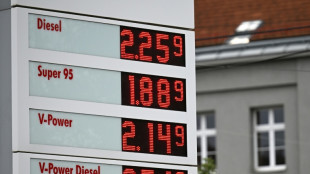
Thursday's announcement came as inflation soared to a 70-year high of 10 percent in September, according to official data, driven higher by spiking energy prices.
The country was also predicted to sink into a recession in 2023, with consumer prices seen reaching 8.8 percent annually, leading economic institutes said Thursday.
Germany, which has been highly dependent on imports of fossil fuels from Russia to meet its energy needs, has come under acute pressure as dwindling supplies from Moscow have stoked prices for the fuel.
"We find ourselves in an energy war over prosperity and freedom," Finance Minister Christian Lindner said.
Protecting consumers against the rising bills was a "crystal clear answer" to Russian President Vladimir Putin that Germany was "strong economically", he added.
- 'Bakers and craftsmen' -
Protection from rising prices was needed for "pensioners, workers, families... but also bakers and craftsmen or big industrial plants that are dependent on electricity and the gas supply", Scholz said.
Confidence amongst businesses and consumers has dropped precipitously in recent months as Germany slips towards a winter recession.
As well as rising household bills, some businesses have been forced to rein in production or operate a loss as their energy costs soar.
The gas price cap should cover "at least a part" of the gas used by households and businesses, while "maintaining an incentive to reduce gas use" over the winter as supplies are limited, the government said in a statement.
In the same way, the government would work to limit the price of electricity for consumers by skimming off profits made by energy firms that have profited by the higher asking prices for gas but which do not use the energy source to generate power.
Ahead of the announcement, analysts warned that a full energy price cap would rob consumers of a reason to limit their usage, just as the government is imploring households to make every saving possible over the winter.
One in two flats in Germany is heated with gas, with figures from Thursday showing national usage was above average for the time of year.
"Without significant reductions, including in private households, it will be difficult to avoid a gas shortage," the head of the Federal Network Agency Klaus Mueller warned.
- Gas levy -
Scholz also announced that the government would be scrapping a controversial gas levy that would have allowed energy companies to pass on rising costs and stabilise their business.
Germany has moved to prop up the energy market, announcing the nationalisation of struggling provider Uniper, which had been one of the biggest importers of Russian gas.
An agreement on the financing for the new package only emerged after weeks of haggling within the three-way coalition between Scholz's Social Democrats, the Greens and the liberal FDP.
The 200 billion euros would be pumped into an economic stability fund outside the government's main budget, allowing the government to stick to constitutional debt rules that limit public deficits -- a red line for FDP leader Lindner.
"Through these measures, we want to send a clear signal to the capital markets that even while we use such a shield, Germany will keep to its stability-oriented fiscal policy. German bonds remain the gold standard in the world," he said.
Over the last months, Germany has also rushed to tap new sources of energy to reduce the demands put on gas.
Earlier this month, the government said it would keep two nuclear power plants running beyond the end of the year to prop up the electricity grid.
The decision marked a major U-turn, with the traditionally anti-nuclear Greens consenting to delay Merkel era plans to exit atomic energy.
A.P.Maia--PC