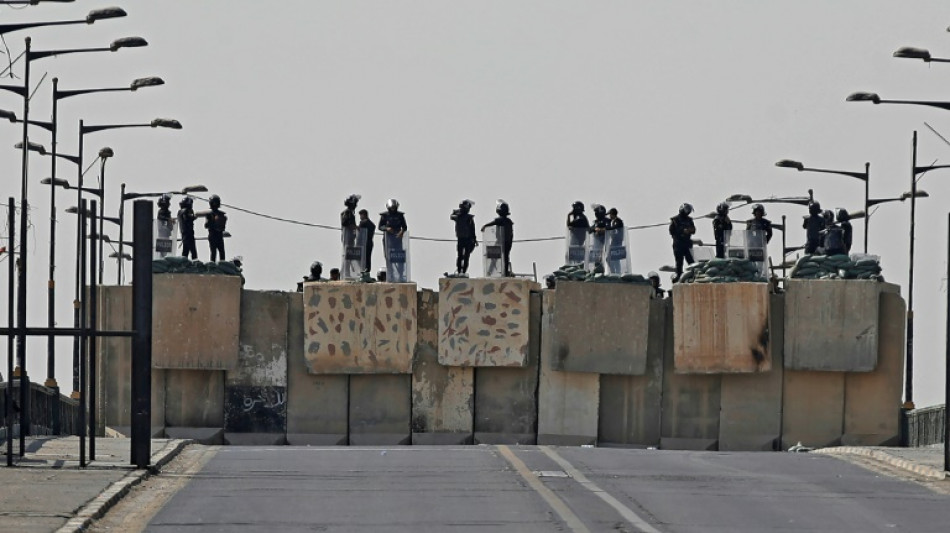
Braving rocket attack, Iraqi MPs elect new state president / Photo: AHMAD AL-RUBAYE - AFP

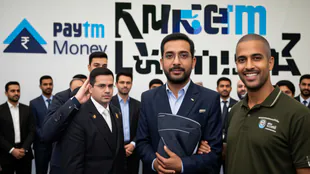 RBI Grants Paytm In-Principle Approval to Revive Wallet Business
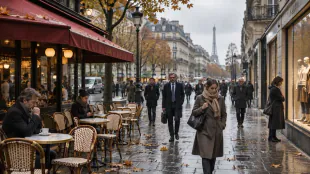
 China's Factory Activity Contracts as Export Orders Weaken

 US Retail Sales and Fed Minutes Set Up a Critical Test for Consumers

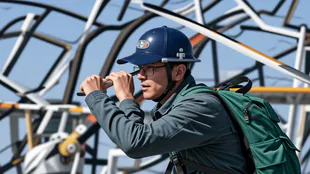 MotorTrend’s Top Hybrid Vehicle Picks for 2026

 Asian Markets Slide as AI Concerns Hit Chip Stocks

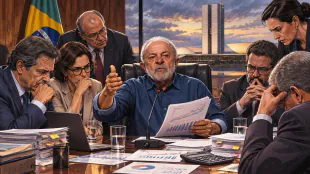 Brazil Faces Debt and Inflation Test as Lula Prepares Fourth Term
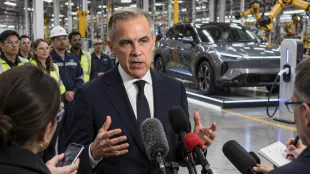
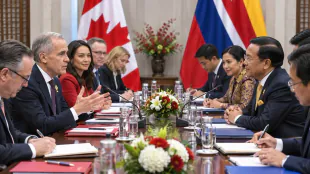 Canada Expands Asian Trade Push as US Negotiations Resume

 Jennie Earns Two Grammy Nominations as Major K-pop Agencies Boycott New Asian Pop Category

 Italy Raises 2026 Growth View but Warns Energy Will Keep Inflation High
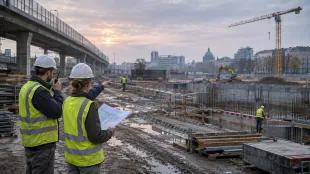
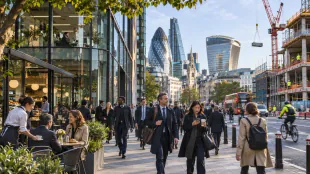 UK Economy Grows 0.7% in Third Quarter as Services Lead Expansion

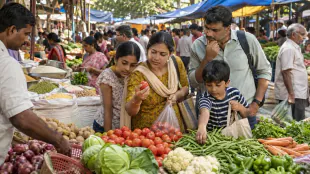 India's Retail Inflation Reaches 6.09% as Food Prices Accelerate
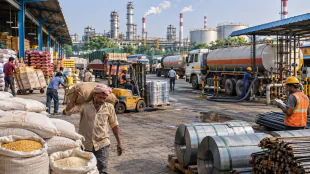
 China's October Activity Data Reveal a Weak Start to the Fourth Quarter
Despite a rocket attack on Baghdad's Green Zone, Iraqi lawmakers Thursday elected a new president in hopes of ending a year of political gridlock and violence in the war-scarred nation.
Iraqi Kurd Abdel Latif Rashid, 78, was elected as the new Iraqi head of state, replacing Barham Saleh, by the assembly in the capital's heavily fortified government and diplomatic district.
Rashid won more than 160 votes against 99 for the incumbent Saleh, an assembly official said.
Rashid's first task was expected to be nominating a candidate for prime minister to replace the current caretaker premier, Mustafa al-Kadhemi, and attempt to form a new government for the crisis-hit nation.
A favoured candidate for the prime minister's post was Mohammed Shia al-Sudani, 52, of the Shiite Muslim bloc the Coordination Framework, which includes pro-Iranian former paramilitary groups.
When Sudani was first proposed in July, this sparked mass protests by backers of his Shiite rival, the fiery populist and cleric Moqtada Sadr, whose followers breached the Green Zone and stormed parliament.
A new reminder of Iraq's troubles came Thursday as the lawmakers headed into parliament, when a barrage of nine Katyusha-style rockets rained down on the area, the security forces said.
At least 10 people were wounded, including six members of the security forces or bodyguards of lawmakers, as well as four civilians in a nearby district, a security official told AFP.
US Ambassador Alina Romanowski condemned the attack "in the strongest terms" on Twitter and warned that "the people of Iraq must resolve their political differences & grievances solely thru peaceful means.
"Attacks like these undermine democracy & trap Iraq in a perpetual cycle of violence."
- 'Crisis breeds instability' -
The democratic institutions built in oil-rich Iraq since the 2003 US-led invasion that toppled dictator Saddam Hussein remain fragile, and neighbouring Iran wields major influence.
Over a year since its last general elections, Iraq has so far failed to form a new government to tackle the problems facing the country plagued by unemployment, decaying infrastructure, corruption and the impacts of climate change.
The United Nations mission in Iraq warned this week that "the protracted crisis is breeding further instability" and that the divisive politics are "generating bitter public disillusion".
Lawmakers had made three previous attempts to elect a new head of state, in February and March, but failed to even reach the required two-thirds threshold for a quorum.
Under Iraq's post-Saddam power-sharing system, meant to avoid more sectarian conflict, the state president by convention is Kurdish, the prime minister is a Shiite and the parliament speaker a Sunni.
The presidency has usually been held by the PUK of Rashid and Saleh. This year the rival Democratic Party of Kurdistan had demanded the presidency but finally abandoned the bid.
Rashid, a hydraulic engineer versed in environmental issues, is seen as a compromise candidate for a the polarised country.
Iraq's rival Shiite political factions, the most powerful players, have been bitterly vying for influence and the right to select the new premier.
Sadr has pushed for parliament to be dissolved and new elections, while the Coordination Framework has urged a new government before fresh polls are held.
The standoff has seen both sides set up protest camps in the Green Zone this year.
Tensions boiled over on August 29 when more than 30 Sadr supporters were killed in battles with Iran-backed factions and the army.
F.Carias--PC